According to 2013 data, the highest percentage of power tool injuries occurred in the 51-60 age group, accounting for 23.70% of all incidents. This figure was closely followed by the 61-70 age bracket, which saw 19.38% of injuries, according to a comprehensive analysis of power tool injuries. These statistics challenge the common assumption that younger, less experienced users are consistently the most vulnerable demographic. The data points to a significant risk among seasoned professionals, suggesting a potentially dangerous overconfidence that develops with years of experience.
Despite these clear risks, extensive safety protocols and training are mandated for power tool use across various industries. However, severe injuries, particularly lacerations and amputations to hands and fingers, remain alarmingly common. A persistent pattern highlights a critical gap between established safety measures and their effective application in real-world scenarios, especially concerning power tool safety protocols and best practices. For more, see our Essential Power Tool Safety Protocols.
Without a renewed emphasis on consistent adherence to safety protocols and the correct use of personal protective equipment (PPE), preventable power tool injuries, particularly among experienced demographics, will likely persist. Addressing this requires a re-evaluation of current training methodologies and a stronger focus on reinforcing fundamental safety principles, even for those with long careers in the trades.
The Hidden Dangers: Who Gets Hurt and How
Hand injuries were the most predominant type of power tool injury, representing 39.08% of all reported cases, according to the pubmed analysis. Injuries to fingers followed closely at 19.19%, with lower arm injuries making up 11.25% of incidents. The figures for hand, finger, and lower arm injuries (39.08%, 19.19%, and 11.25% respectively) underscore the critical vulnerability of upper extremities during power tool operation. The data clearly indicates that hands and fingers are the most exposed and frequently injured body parts, demanding focused preventive strategies.
Lacerations constituted the most frequent injury type, accounting for 60.89% of all power tool-related incidents. This category of injury often results from blades, bits, or rotating components making unintended contact with the skin. Beyond lacerations, the study also recorded fractures, amputations, foreign body insertions, and contusions/abrasions, highlighting the diverse range of severe trauma that power tools can inflict. The prevalence of lacerations and amputations, in particular, points to a need for improved guarding mechanisms and stricter adherence to safe operating distances.
The demographic analysis revealed that males accounted for the overwhelming majority of power tool injuries, making up 95.97% of cases. Furthermore, white individuals constituted the largest proportion, at 91.84%. Statistics revealing that males account for 95.97% of power tool injuries and white individuals 91.84% highlight the common body parts and injury types, predominantly affecting males, underscoring the specific areas where preventive measures are most critically needed. This demographic concentration suggests that safety messaging and training interventions may need to be tailored to better resonate with this specific user group, addressing any ingrained habits or perceptions of invulnerability that could contribute to risk-taking behavior.
Foundational Safety: Preparing Your Tools and Workspace
Ensuring electrical safety is paramount before any power tool operation begins. All power tools must have a 3-prong grounded plug or be double-insulated to prevent electrical shock, according to hand and portable power tool safety - UNC policies. This grounding or insulation provides a critical safety barrier, redirecting electrical currents away from the user in case of a fault. Without these safeguards, even a minor electrical malfunction can lead to severe injury or fatality, particularly in damp environments or when working with conductive materials. Verifying the integrity of power cords and plugs is a fundamental pre-use check that prevents hazardous electrical incidents.
Beyond electrical integrity, the certification of tools plays a vital role in user safety. All power tools shall be UL listed, ensuring they meet rigorous safety standards set by Underwriters Laboratories, as specified by UNC policies. This listing confirms that the tool has been tested for potential hazards and designed with safety features in mind. Using unlisted or uncertified tools introduces unknown risks, as their components and construction may not withstand operational stresses or electrical demands, leading to unexpected failures or injuries. Checking for this certification mark is a simple yet crucial step in preventative safety.
Maintaining a safe working environment is as important as the tools themselves. The floors in a workspace should be kept as clean and dry as possible to prevent falling with or around a hand tool, according to hand and power tool safety - Summit Holdings. Slippery surfaces from spills, debris, or obstructions can cause a user to lose balance, potentially leading to accidental contact with a running power tool or a serious fall. Ensuring tools are certified, properly grounded, and the workspace is clear are fundamental steps to mitigate electrical hazards and prevent falls before any work begins, creating a stable and secure foundation for safe operation. A clear workspace also allows for unobstructed movement and emergency egress.
Why Injuries Persist: Gaps in Protocol and Practice
Environment, Health and Safety (EHS) departments hold the responsibility for reviewing hazards associated with hand and portable power tools during annual shop inspections, ensuring they remain in good working order and do not pose a hazard, as outlined in UNC policies. While these inspections are a mandated part of safety oversight, their effectiveness hinges on thoroughness and the prompt remediation of identified issues. The mere existence of an inspection schedule does not guarantee that all potential hazards are consistently identified or corrected, especially if the inspections become routine rather than critical evaluations.
Furthermore, supervisor-led training is a required component upon employment for employees who operate hand and portable power tools, according to UNC policies. This initial training is designed to equip new operators with fundamental safety knowledge and operational procedures. However, the persistent high rates of injuries, particularly among older, experienced workers, suggest that initial training alone may not be sufficient to counteract the development of complacency over time. Continuous reinforcement, refresher courses, and adaptive training for evolving tool technologies are often overlooked.
Interestingly, the '41-50' age group showed a significant decrease in power tool injuries over time, according to pubmed data. The significant decrease in power tool injuries over time in the '41-50' age group indicates that safety improvements or cultural shifts are effectively reaching some demographics. However, this contrasts sharply with the persistent high rates in older demographics (51-70), suggesting that these improvements are not universally adopted or sustained by the most experienced users. While organizational structures and training requirements are in place, the persistence of injuries, contrasted with positive trends in some demographics, suggests that consistent application, effective oversight, and continuous learning remain critical challenges. Based on pubmed data showing the highest incidence of severe hand injuries among older, experienced users, current safety training and oversight models are clearly failing to address the dangerous complacency that develops with perceived expertise. The persistent high rates of preventable lacerations and amputations, despite extensive EHS policies and mandatory training, indicate that organizations are incurring significant costs in worker safety and productivity due to a systemic failure to enforce or adapt safety protocols for their most tenured employees.
Best Practices for Safe Operation and Personal Protection
When using pneumatic power tools, specific operational limits must be strictly observed. For instance, the nozzle pressure of air guns should be limited to 30 pounds per square inch (psi), according to OSHA guidelines for hand and power tools. Exceeding this pressure can transform seemingly harmless dust or debris into high-velocity projectiles, capable of causing severe eye injuries or penetrating the skin. This regulation is critical for preventing injuries not only to the operator but also to bystanders in the vicinity. Adhering to such specific operational parameters is a direct measure to control hazardous energy and minimize unforeseen risks.
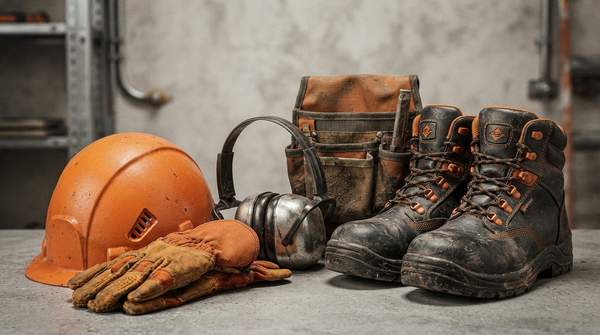
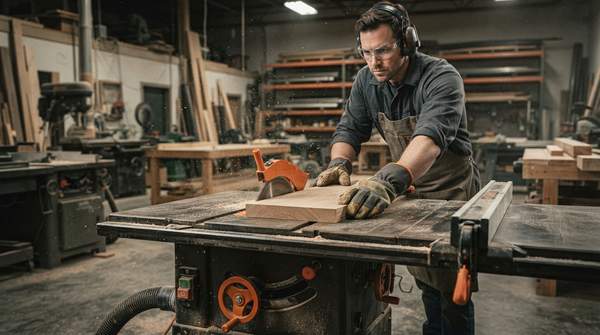
Personal protective equipment (PPE) serves as the last line of defense against power tool hazards and must be selected and worn appropriately for the task at hand. Appropriate PPE, such as safety glasses, a face shield, safety goggles, and gloves, should be worn to protect from hazards encountered while using portable power tools and hand tools, as mandated by UNC policies. Safety glasses protect against flying debris, while a face shield offers broader protection for the entire face from splashes or larger fragments. Gloves, specifically chosen for cut and abrasion resistance, shield hands from direct contact with sharp edges or rough surfaces. The consistent and correct use of PPE is not merely a recommendation; it is a critical requirement that must be strictly followed.directly mitigates the risk of severe injury. Adhering to specific operational limits and consistently using personal protective equipment are direct and immediate actions users can take to significantly minimize injury risks during power tool operation. This proactive approach to safety ensures that users are protected from both direct contact hazards and airborne particles, which are common in power tool applications.
What are the most common power tool hazards?
Beyond lacerations and amputations, common power tool hazards include kickback, which can cause the tool to suddenly move unpredictably, and entanglement of clothing or hair in rotating parts. Electrical shock from damaged cords or improper grounding is also a significant risk. Furthermore, prolonged exposure to noise from power tools can lead to hearing loss, and inhalation of dust particles can cause respiratory issues, highlighting the need for comprehensive protection.
What PPE is required for power tool safety?
In addition to safety glasses, face shields, and gloves, power tool safety often requires hearing protection like earplugs or earmuffs to mitigate noise-induced hearing loss. Respiratory protection, such as dust masks or respirators, is essential when working with materials that produce fine particles. Protective footwear, often with steel toes and puncture-resistant soles, guards against falling objects and sharp debris in the workspace, completing a robust personal protective ensemble.
How can I prevent power tool injuries?
Preventing power tool injuries involves several proactive steps, including selecting the correct tool for the job and ensuring it is in good working order before each use. Users should maintain a firm grip on the tool, keep the workpiece securely clamped, and avoid awkward body positions that could lead to loss of control. It is also crucial to remain focused, avoid distractions, and never override safety features, as these actions directly contribute to reducing accident potential.
The persistent high incidence of severe hand and finger injuries among experienced, older users of power tools, particularly lacerations and amputations, underscores a critical flaw in current safety paradigms. By 2026, organizations like Summit Holdings must intensify efforts to combat the dangerous complacency that develops with perceived expertise. This requires not only reinforcing initial training but also implementing continuous, adaptive safety education and rigorous, consistent enforcement of protocols for all employees, regardless of tenure. Failure to do so will continue to result in preventable injuries, significant human cost, and increased liability for employers.