In workshops across the country, a staggering number of injuries occur not from complex machinery failures, but from preventable hazards like tripping over misplaced tools or inadequate lighting. These everyday oversights lead to significant downtime and personal harm for mechanics and technicians.
Many workshop injuries are easily preventable through basic safety measures, but these fundamental practices are frequently overlooked or inconsistently applied. This creates a tension between established safety protocols and their inconsistent daily application.
Workshops that prioritize consistent, fundamental safety practices will see significant reductions in accidents and associated costs. Those that do not will continue to face preventable risks and operational inefficiencies.
Establishing a Foundation of Safety
Regular safety briefings and inspection schemes for all tools and equipment are crucial, as recommended by the HSA. This systematic approach ensures machinery operates correctly. However, this operational focus often overlooks basic workshop tidiness. Maintaining tidiness directly eliminates the risk of people tripping over tools, according to ACHydraulic. Companies that prioritize complex safety audits over daily enforcement of basic tidiness and correct tool usage effectively subsidize preventable injuries. A truly safe environment requires both rigorous equipment checks and meticulous daily organization.
Mitigating Equipment and Environmental Hazards
Optimizing workshop lighting and tool selection directly reduces accident frequency. Artificial lighting can cast shadows, increasing injury risk, as reported by ACHydraulic. This seemingly minor environmental factor contributes significantly to preventable accidents. Furthermore, using the wrong tools forces mechanics into ergonomically undesirable postures, detrimental to their health, also according to ACHydraulic. While the HSA emphasizes equipment safety, this focus can inadvertently divert attention from these insidious, everyday risks. Implementing strict protocols for adequate lighting and ergonomic practices is crucial, extending beyond functional equipment to the very design of the workspace and how tasks are performed.
The Cost of Neglect, The Value of Vigilance
Neglecting basic safety protocols directly increases operational expenditure. Overlooked fundamental practices lead to higher injury rates, significant financial burdens, and human costs. This oversight translates into higher insurance premiums and potential legal action after serious incidents. Worker morale and efficiency also decline, creating a cycle of underperformance and risk. The misplaced emphasis on complex machinery failures often overshadows the daily impact of basic tidiness and correct tool usage, allowing preventable hazards to persist and driving up overall operational costs.
Conversely, a proactive approach to workshop safety benefits all stakeholders. Owners and managers gain reduced liability, increased productivity, and a healthier workforce. Mechanics and workers benefit from a safer environment and improved long-term health, mitigating cumulative strain and acute injuries. Regular training on proper tool usage and ergonomic techniques, as identified by ACHydraulic, prevents long-term health issues. Ensuring adequate lighting and clear pathways further enhances safety and efficiency. These improvements foster a culture of safety and professionalism.
What are the most common workshop injuries?
Common workshop injuries include cuts, crush injuries, and eye damage from flying debris. Repetitive strain injuries also develop from prolonged use of incorrect tools and ergonomically undesirable postures, as noted by ACHydraulic.
How can I ensure safety in my workshop?
Ensure workshop safety through consistent daily tidiness, regular tool inspections, and proper personnel training. A strict clean-as-you-go policy prevents many tripping hazards, a key point from ACHydraulic.
What personal protective equipment is essential for workshop safety?
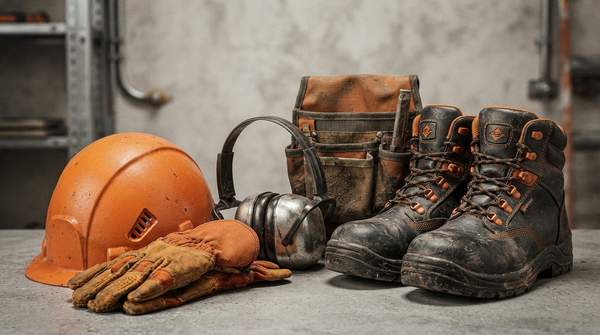
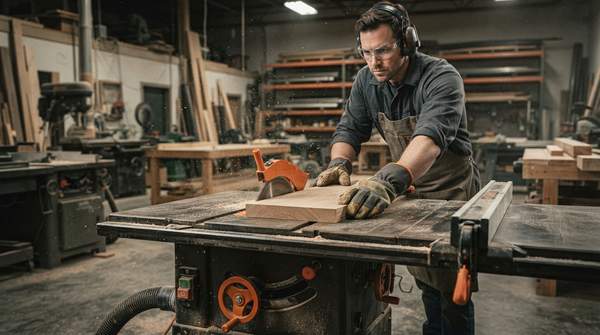
Essential personal protective equipment (PPE) includes safety glasses or goggles, hearing protection, steel-toed boots, and appropriate gloves. These items directly mitigate risks from flying particles, loud machinery, falling objects, and chemical exposure.
Workshops that effectively integrate daily safety enforcement into their operations, prioritizing fundamental practices over complex audits, are likely to report fewer incidents and higher worker retention by Q3 2026, suggesting the immediate impact of consistent adherence to basic safety.