Byssinosis, a textile sector pneumoconiosis, affects 44.01% of cotton dust-exposed workers, according to one study in Benin (PMC). This preventable illness devastates lives, revealing critical safety failures despite existing regulations. Effective personal protective equipment (PPE) and comprehensive training are crucial to mitigate such widespread health issues.
Employers are legally required to provide properly fitting and effective PPE and comprehensive training. However, the actual application of these regulations and consistent worker usage remain critically under-researched and often ignored. This discrepancy creates a dangerous gap in workplace safety, leaving many professionals vulnerable to long-term health impacts.
Based on evidence of persistent occupational illnesses and widespread indifference to safety device usage, companies are likely trading immediate cost savings for long-term health consequences and legal liabilities, often without fully grasping the extent of the risk.
Employer Responsibilities for Personal Protective Equipment
Employers must conduct hazard assessments to identify and control workplace risks before selecting PPE. OSHA law mandates employers provide properly fitting, effective PPE to workers at no cost and train them on its use and care, according to Creative Safety Supply. Despite these clear mandates, the 44.01% byssinosis rate in textile workers proves legal compliance alone is insufficient. Companies must invest in continuous, engaging education to shift worker behavior, not merely check regulatory boxes.
Beyond Provision: Training and Specific PPE Types for Trades
OSHA requires employers to train workers on all PPE aspects: when it's necessary, what kind, proper donning and doffing, limitations, care, maintenance, useful life, and disposal (OSHA). Effective training dramatically improves compliance; a 90-minute program boosted healthcare workers' PPE adherence from 44% to 79% (PMC). Employers neglecting robust, ongoing training actively choose to expose their workforce to preventable harm and long-term health costs, ignoring proven behavioral interventions.
Why is PPE Use Met with Universal Indifference?
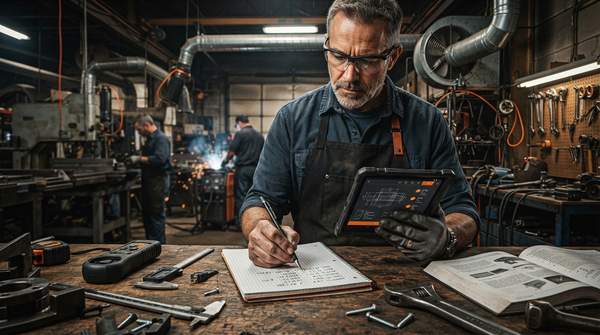
A global study found universal indifference to personal safety device use, despite differences in accident types between low-income and industrialized countries (PMC). This widespread disregard for safety equipment points to a universal human or systemic factor in safety culture, transcending economic development. Workplace safety is a profound cultural challenge, not merely legislative. Employers must move beyond basic provision to foster a deeply ingrained safety-first mindset; cultural barriers can negate even thorough hazard assessments.
The Cost of Neglect: Risks and Research Gaps in PPE Usage
The 44.01% byssinosis prevalence among cotton dust-exposed workers in Benin (PMC) persists despite clear PPE mandates. The true scale of occupational illness from PPE non-compliance is likely far greater and largely invisible. While legislative evolution continues, the actual application of safety regulations during accidents remains under-researched (PMC). This research gap prevents widespread adoption of successful interventions, exposing a critical failure to protect workers despite existing legal frameworks.
What are the most common types of PPE for tradespeople?
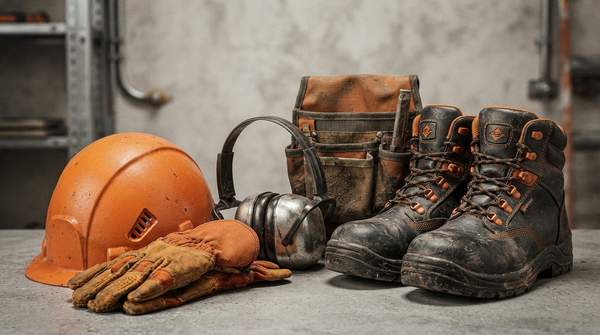
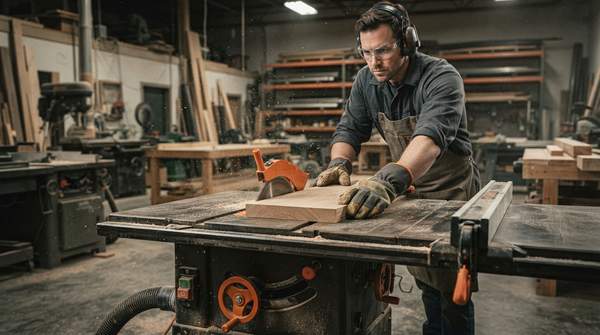
Common types of personal protective equipment for tradespeople include hard hats for head protection, safety glasses or goggles for eye protection, and specialized gloves for hand protection against cuts, chemicals, or extreme temperatures. Respiratory protection, such as N95 masks, is also frequent in environments with dust or fumes. For example, a worker using a grinding tool would typically require eye protection rated for impact, hearing protection, and gloves resistant to abrasions.
How is PPE used in construction trades?
In construction trades, PPE is used to mitigate risks from falling objects, loud noise, sharp materials, and hazardous chemicals. This includes hard hats, high-visibility clothing, steel-toe boots, and hearing protection like earplugs or earmuffs. For instance, a demolition crew member would wear a full ensemble of PPE, including a hard hat, safety glasses, heavy-duty gloves, and potentially a respirator, depending on the materials involved.
What are the key safety standards for PPE in trades?
Key safety standards for personal protective equipment in trades are primarily set by organizations like OSHA in the United States, which outlines specific requirements for different types of equipment and their usage. These standards ensure that PPE meets minimum performance criteria for protection against identified hazards. For example, safety glasses must meet ANSI Z87.1 standards for impact resistance, providing a benchmark for quality and effectiveness.
By 2026, employers prioritizing robust PPE training and actively researching compliance gaps will likely see significant reductions in worker injuries and occupational illnesses, while others risk increased legal penalties and a less productive workforce.