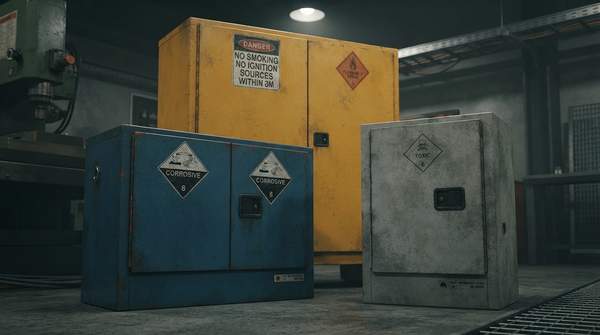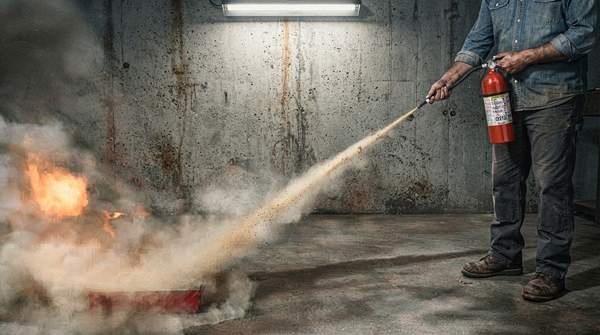
Most homes and home workshops need more than one fire extinguisher, and the differences matter. A multipurpose ABC extinguisher covers the three most common household fire classes—ordinary solids, flammable liquids, and electrical equipment—but it is the wrong tool for two specific hazards: high-temperature cooking oil fires and burning metal. This guide walks through the fire classes, maps the typical hazards found in kitchens, garages, and workshops to the correct extinguisher for each, and closes with the safety checklist the U.S. Fire Administration says you must satisfy before ever attempting to fight a fire.
Why the Right Fire Extinguisher Matters for Your Home and Workshop
Fire extinguishers are often the first line of defense when a fire starts. Everyone should have at least one at home, but according to the Linda Fire Protection District, it is just as important to ensure you have the proper type. That organization's guidance is specific about placement as well as selection: it recommends having an extinguisher for the kitchen, the garage, and the workshop.
The reason both selection and placement matter is that fires are classified by what is burning, and extinguishing agents work differently on different materials. No single agent covers every hazard, and using the wrong one can leave you holding a tool that simply cannot put out the fire in front of you—or worse, one that makes the situation more dangerous.
Extinguishers also differ by the agent they contain. The most common type uses a dry chemical powder to smother flames, but other agents in use include wet chemicals, carbon dioxide, and pressurized water, according to the Linda Fire Protection District. Many extinguishers can be used on more than one type of fire and will be labeled with more than one designator, which is how the familiar "A-B-C" multipurpose units get their name.
For most households, that multipurpose label covers the majority of risks. The U.S. Fire Administration notes that extinguishers labeled "B-C" or "A-B-C" can be used on most types of home fires, and most home improvement stores carry multipurpose models covering Class A through Class C. But "most types of home fires" is not all of them, and the two exceptions—cooking oils and combustible metals—are exactly the ones that catch homeowners off guard.