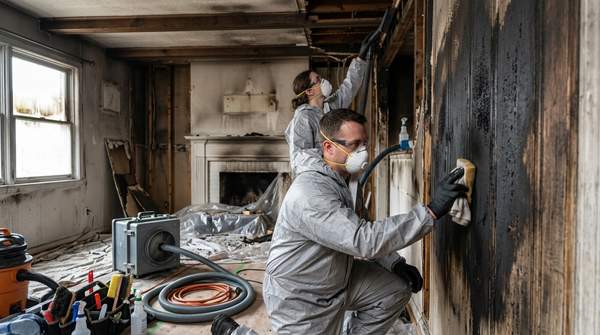
What is OSHA's new PPE fit rule for construction sites?

Despite personal protective equipment being a cornerstone of construction safety, 64.

BF
Ben Foster

June 9, 2026 · 4 min read

Construction workers on a busy site, some adjusting their ill-fitting hard hats and safety vests, emphasizing the importance of proper PPE fit for safety.

Despite personal protective equipment being a cornerstone of construction safety, 64.3% of workers in a recent study reported occupational accidents in the last 12 months, often exacerbated by ill-fitting gear. These incidents expose a significant gap between essential personal protective equipment for construction sites and its effectiveness in preventing injury, impacting thousands of lives annually. The findings challenge long-held assumptions about PPE's standalone efficacy.

While personal protective equipment is essential for safety, a significant portion of construction workers still face accidents, partly because their gear doesn't fit properly. Merely supplying PPE falls short of ensuring comprehensive worker protection. The issue extends beyond availability to the practical usability of safety gear.

The new OSHA rule on properly fitting PPE appears likely to reduce accident rates and improve overall worker safety, though its success will depend on rigorous enforcement and employer adoption. This regulatory adjustment addresses a critical, yet often overlooked, aspect of workplace hazard mitigation.

On December 11, 2024, OSHA announced a final rule requiring construction employers to provide personal protective equipment that properly fits each employee. This new regulation shifts the paradigm, moving beyond mere provision of PPE to mandating its proper fit, directly addressing a long-standing safety gap. The rule officially went into effect on January 13, 2025, setting a clear deadline for industry compliance, according to the National Association of Home Builders | NAHB. This change prioritizes individualized protection over generic solutions, recognizing diverse worker needs.

What the New Rule Means for Construction Sites

The revised OSHA standard mandates that employers provide PPE tailored to properly fit each worker. This means employers can no longer rely on a one-size-fits-all approach, but must actively ensure each piece of PPE is individually appropriate for the worker using it. The regulation enhances worker protection, ensuring gear functions as intended for every individual and preventing exposure to hazards due to poor fit. Companies must now implement more rigorous sizing and selection processes for all protective gear.
The Hidden Dangers of Ill-Fitting Gear

About 60% of construction workers in a recent study reported using personal protective equipment during their work. Despite this widespread use, 64.3% of workers in the same study reported occupational accidents within the last 12 months, according to pmc. This statistic challenges the assumption that PPE alone guarantees safety without proper fit, exposing a systemic issue.

A literature review identified 16 distinct factors contributing to PPE non-compliance, ranked using fuzzy set theory and K-means clustering, according to pubmed. The high rate of accidents and numerous factors for non-compliance prove that simply providing PPE is insufficient; its usability and comfort, driven by proper fit, are paramount. OSHA's new rule, while a step forward in addressing fit, is an incomplete solution. It risks creating a false sense of security without tackling the deeper, systemic issues behind construction accidents. This narrow focus could limit the overall impact on accident reduction.

Addressing Diverse Needs in Protective Equipment

NIOSH organized the Equitable PPE Protections Workshop in November 2022, which confirmed existing issues and fostered partnerships for solutions to identify the needs and challenges faced by diverse PPE user groups. This initiative aimed to confirm existing issues and foster partnerships for solutions, according to Cdc. The NIOSH Protective Clothing Challenge also awarded $55,000 across five winning teams, incentivizing innovative PPE designs that cater to a broader range of body types and ergonomic needs.

These initiatives confirm a growing recognition that effective PPE must be designed and provided with the full spectrum of worker body types and needs in mind, moving beyond generic sizing. The new OSHA rule on PPE fit appears to be the regulatory culmination of earlier, proactive research and incentive programs by NIOSH, confirming a coordinated governmental response to a long-standing issue. This collaborative effort suggests a broader commitment to inclusive safety standards.

Beyond Compliance: The Broader Impact on Worker Safety

Proactive measures to address the identified factors contributing to PPE non-compliance were determined using a focus group methodology. This data-driven approach aims to develop solutions that resonate directly with worker experiences, according to pubmed. This proactive approach shifts the industry towards more data-driven and worker-centric solutions, crucial for the successful implementation and long-term impact of the new OSHA standard. It marks a move towards preventative, rather than purely reactive, safety strategies.

The industry has historically undervalued individualized equipment fit and broader compliance strategies. The new OSHA rule recalibrates safety priorities. Employers must now consider the human factor more critically in their safety protocols, moving beyond mere provision to active fit management.

Ensuring a Proper Fit: Practical Guidance

What are the 5 main types of PPE in construction?

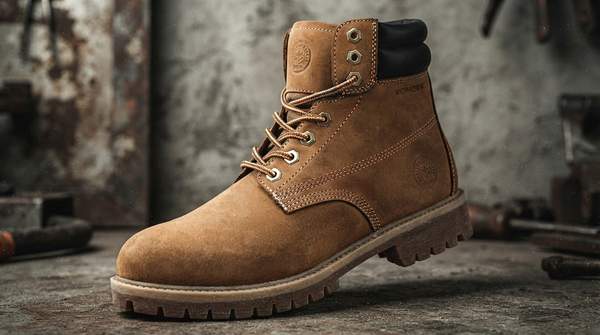
The five main types of PPE commonly used in construction include head protection (hard hats), eye and face protection (safety glasses, face shields), hearing protection (earplugs, earmuffs), foot protection (safety boots), and hand protection (gloves). Each type protects against specific hazards: impacts, noise, and chemical exposure.

How to choose the right PPE for construction jobs?

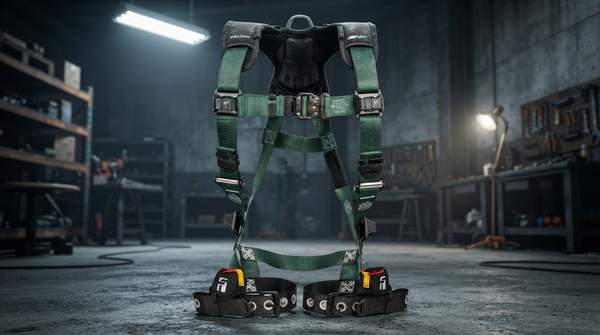
Choosing the right PPE involves assessing the specific hazards of a job and ensuring the equipment fits the individual worker. For example, harness straps around thighs should be snug but not constricting, allowing space for a couple of fingers between the webbing and the body, according to the National Association of Home Builders | NAHB. Employers must consider individual body types and job requirements when selecting gear, prioritizing comfort and functionality.

What are the legal requirements for PPE on construction sites?

Legal requirements for PPE on construction sites include providing appropriate equipment, ensuring its proper maintenance, and now, mandating that it properly fits each employee. Employers must also train workers on the correct use, care, and limitations of their PPE, reinforcing safe practices. These regulations minimize workplace injuries and fatalities, enforcing accountability for worker protection.

A Safer Future for Construction Workers

If rigorously enforced and widely adopted, the new OSHA rule on individualized PPE fit appears likely to reduce accident rates and foster a more protected construction workforce by Q3 2026, though continued vigilance against broader non-compliance factors remains crucial.