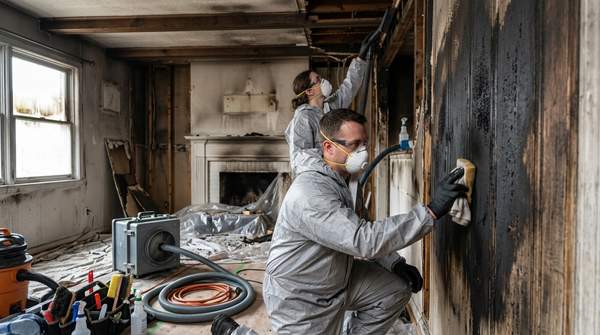
Last year, over 400,000 Americans visited emergency rooms for DIY-related injuries. Most were preventable with basic safety equipment. DIY home improvement projects are popular, yet many participants neglect essential precautions. This oversight fuels a surge in preventable injuries. The current DIY safety culture, often prioritizing generic or ill-fitting gear, makes homeowners more vulnerable. Without a fundamental shift, the personal and financial costs of these accidents will continue to rise. The 400,000 annual injuries confirm that current home improvement safety, which overlooks proper gear selection and fit as highlighted by Spire Construction, is dangerously inadequate.
Essential safety equipment for home improvement projects includes goggles, gloves, and masks, according to Spire Construction. Foundational gear (goggles, gloves, and masks) is the first defense against common DIY hazards. Selecting the right equipment is critical for any project, protecting against dust, debris, chemicals, and physical impact. Misunderstanding their specific applications or limitations can render this protection useless.
Your Essential DIY Safety Gear Checklist
Goggles
Best for: General DIYers, painters, woodworkers
Goggles protect eyes from dust, debris, and chemical splashes. They seal around the eyes, offering more comprehensive protection than safety glasses.
Strengths: Full eye enclosure, impact resistance, chemical splash protection | Limitations: Can fog, may be bulky with prescription glasses | Price: $10-$30
Gloves
Best for: Carpenters, plumbers, gardeners, painters
Gloves safeguard hands from cuts, abrasions, and chemical exposure. For projects involving wood or metal cutting, heavy-duty gloves are necessary, as outlined by Spire Construction.
Strengths: Varying materials for specific tasks (e.g. leather for impact, nitrile for chemicals), improved grip | Limitations: Can reduce dexterity, may cause sweating | Price: $5-$40
Masks
Best for: Painters, sanders, chemical users
Masks guard against inhaling harmful particles and fumes. When painting or working with chemicals, a mask is essential, according to Spire Construction. Different masks protect against different hazards, from dust to volatile organic compounds.
Strengths: Prevents respiratory irritation, filters airborne contaminants | Limitations: Can be uncomfortable, requires proper fit for effectiveness | Price: $5-$50
Matching Gear to Your Project's Risk
| Gear Type | Primary Protection | Best Use Case | Risk Mitigation |
|---|---|---|---|
| General Safety Glasses | Frontal eye impact | Light carpentry, general cleaning | Protects from flying particles, but not splashes or fine dust. |
| Impact-Resistant Goggles | Full eye enclosure, heavy impact | Wood cutting, grinding, chemical handling | Offers superior protection against high-velocity debris and chemical splashes. |
| Standard Work Gloves | Abrasions, minor cuts | Gardening, carrying materials, basic assembly | Prevents superficial skin damage, but not punctures or chemical burns. |
| Chemical-Resistant Gloves | Chemical exposure, liquid penetration | Painting with solvents, cleaning with harsh chemicals | Forms a barrier against corrosive substances, crucial for skin integrity. |
| Dust Mask (N95) | Fine particles, non-toxic dust | Sanding wood, sweeping, insulation work | Filters out airborne dust and allergens, reducing respiratory irritation. |
| Full Respirator | Vapors, fumes, toxic particles | Paint spraying, solvent use, asbestos removal (professional guidance needed) | Provides comprehensive respiratory protection against hazardous airborne agents. |
Understanding specific gear qualities allows DIYers to make informed choices, directly mitigating project-specific dangers. Proper fit is also critical; gear must fit correctly to offer full protection and avoid discomfort, as stated by Spire Construction. Ill-fitting equipment compromises both safety and comfort.
Safety First: An Investment, Not an Option
Prioritizing safety gear ensures injury avoidance and project success. Home improvement retailers and safety educators fail DIYers by not emphasizing that generic 'one-size-fits-all' equipment is a liability, not a safeguard, for specific tasks. The oversight by retailers and educators perpetuates preventable accidents.
Ill-fitting safety gear, as emphasized by Spire Construction, is a direct pathway to injury. Users compromise protection due to discomfort. Many DIYers wear some safety gear yet still get injured because it is the wrong type or does not fit. Wearing the wrong type or ill-fitting gear creates a false sense of security, more dangerous than no gear at all.
Investing in appropriate, well-fitting personal protective equipment (PPE) for each task is an investment in personal well-being and project success. Diligent DIYers avoid injury and costly setbacks. Unprepared DIYers suffer preventable injuries, medical expenses, and project delays.
By 2026, educational initiatives focusing on task-specific gear selection could reduce DIY-related emergency room visits by a measurable percentage, provided they specifically address the dangers of ill-fitting and generic equipment.
Common Questions About DIY Safety
Why is proper fit so important for safety gear?
Properly fitting safety gear ensures no gaps or loose areas allow hazards to bypass protection. Loose goggles may shift, exposing eyes to debris. Ill-fitting gloves can snag on machinery or offer inadequate grip, increasing hand injury risk.
Can I reuse disposable safety gear?
Disposable safety gear, like certain masks or gloves, is for single or limited use before protective qualities degrade. Reusing such items compromises effectiveness, as filter media or chemical barriers break down, offering significantly less protection.
Where can I find specialized safety gear?
Specialized safety gear is at dedicated industrial supply stores, online PPE retailers, or professional trade suppliers. These outlets stock a wider range of task-specific items like respirators for specific chemical fumes or high-impact face shields, which general home improvement stores might not carry.