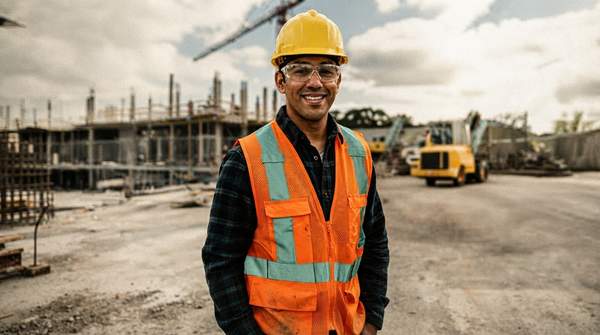
A construction worker needs fall protection at six feet, but a shipyard employee requires it at five. a disparity that highlights a critical, often overlooked, regulatory nuance in safety protocols for working at heights in 2026. While fall protection is universally mandated for elevated work, the precise height threshold varies significantly across industries and specific scenarios. Employers therefore face a complex compliance challenge, demanding detailed knowledge of specific industry regulations to avoid penalties and ensure worker safety, rather than relying on a single universal standard.
The Foundation of Fall Protection: Employer Responsibilities
Employers bear primary responsibility for safeguarding workers from fall hazards. Businesses must select and provide required Personal Protective Equipment (PPE) at no cost to workers, according to SafetyEquipment. This financial burden is significant, particularly with varied height thresholds across sectors. The employer's duty extends beyond simple elevation; fall protection is required when working over dangerous equipment and machinery, regardless of fall distance, according to OSHA. This requirement reveals that the nature of the underlying hazard can override widely publicized height-based rules, challenging the common perception that fall safety is solely about vertical elevation.
Navigating the Nuances: Industry-Specific Height Requirements
Fall protection mandates vary significantly across industrial classifications, creating an inconsistent regulatory framework. General industry workplaces require fall protection at four feet, according to OSHA. This threshold increases to five feet in shipyards and six feet in construction. Longshoring operations extend the requirement to eight feet. This stark difference—four feet in general industry versus eight feet in longshoring—suggests a regulatory system prioritizing historical industry practices over a unified, risk-based approach. This potentially leaves workers in certain sectors more vulnerable. The mandate for employers to provide all PPE at no cost, combined with these varied height thresholds, means businesses in sectors with lower height mandates, like shipyards at five feet, face disproportionately higher compliance costs per worker compared to construction at six feet, even for similar work.
Beyond Height: Specific Scenarios and Protection Systems
Beyond general height thresholds, specific work scenarios and structural elements dictate particular fall protection methods. Employees on a walking/working surface with an unprotected side or edge 6 feet (1.8 m) or more above a lower level require protection from falling. This includes guardrail systems, safety net systems, or personal fall arrest systems, according to OSHA. This applies even to workers not directly engaged in leading edge construction but present on such surfaces. Additionally, employees working on formwork or reinforcing steel must be protected from falls of 6 feet (1.8 m) or more using personal fall arrest systems, safety net systems, or positioning device systems, as specified by OSHA. These detailed requirements emphasize a layered, context-dependent approach to safety, where task and environment influence the protection system choice.
The Tangible Impact of Robust Safety Protocols
Robust safety protocols and training directly improve worker safety. A longitudinal survey of trainees, according to ScienceDirect, showed improved working-at-height practices. A longitudinal survey of trainees showed that strict compliance prevents serious injuries, especially when considering OSHA's mandate that employees 6 feet (1.8 m) or more above dangerous equipment must be protected. The effectiveness of training is amplified in scenarios where both height and underlying machinery present compounded risks, demonstrating that comprehensive safety programs are not merely regulatory burdens but critical risk mitigators.
Common Questions on Fall Protection
What are the main hazards of working at heights?
Working at heights introduces several hazards, including slips, trips, and falls from elevated surfaces, falling objects that can strike workers below, and structural collapses. Electrocution from overhead power lines or contact with live equipment also poses a significant risk for workers on elevated platforms or roofs.
How do you perform a risk assessment for working at heights?
Performing a risk assessment for working at heights involves identifying all potential fall hazards, evaluating the likelihood and severity of a fall, and determining appropriate control measures. This process often includes reviewing site conditions, equipment integrity, worker training levels, and emergency procedures, as outlined by general safety guidelines from organizations like Safe Work Australia.
Ensuring Compliance and Worker Safety
The intricate web of fall protection regulations demands constant vigilance from employers. A universal approach is insufficient given the varying height thresholds across general industry, construction, shipyards, and longshoring. Employers must proactively implement and maintain robust, industry-specific fall protection programs. By Q1 2027, companies failing to adapt safety protocols to these granular requirements will likely face increased fines and preventable injuries among their workforce.