A revised OSHA rule now mandates that personal protective equipment (PPE) must properly fit each individual employee's body type in the construction industry. This marks a significant shift from simply providing standard gear. Employers historically supplied general PPE, but the new rule demands a precise, individualized fit for every piece of equipment, adding a new layer of complexity to safety management. Consequently, companies will likely face increased operational costs and administrative burdens in sourcing, managing, and verifying properly fitted PPE. This could lead to a temporary slowdown in compliance as new protocols are established.
Understanding the Shift in PPE Requirements
The OSHA standard now explicitly requires employers to provide PPE that properly fits construction workers, according to OSHA. This regulatory shift demands a personalized approach to worker safety, moving beyond generic provision. The change impacts all PPE for skilled trades, transforming provision from a simple procurement task into a complex, individualized fitting and inventory management challenge. Previously, standard sizes were often deemed sufficient. Now, each item must be tailored, directly affecting comfort and overall protection.
Beyond the Basics: Understanding the Scope of PPE
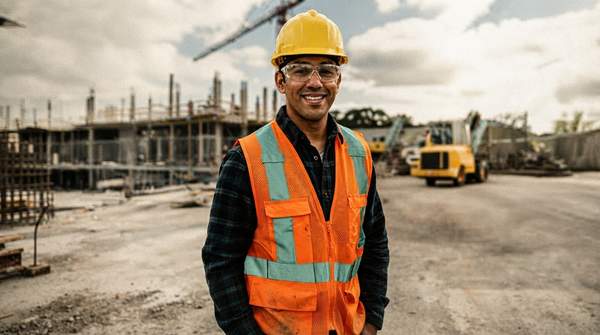
OSHA standard 1926.95 outlines Criteria for personal protective equipment in construction. Required PPE includes hard hats, gloves, goggles, safety shoes, safety glasses, welding helmets, hearing protection, respirators, coveralls, vests, harnesses, and full body suits, according to Bernstein Shur. This extensive list confirms the diverse hazards in construction, making the new fit requirement a widespread concern across many types of protective gear and job roles. The individualized fit requirement extends beyond common items to specialized equipment, ensuring maximum protection and comfort during daily tasks.
The Criticality of Fit: Head and Foot Protection
OSHA standard 1926.100 covers Head protection, and 1926.96 addresses Occupational foot protection, both under OSHA guidelines. Improperly fitted headgear or footwear compromises protection, causes discomfort, and creates new hazards, directly impacting worker safety and productivity. A loose hard hat may fall; a tight one causes headaches, reducing focus. Ill-fitting safety boots lead to blisters, trips, or inadequate impact protection. The new rule aims to eliminate these common issues by ensuring each item is correctly sized and adjusted.

Employer Responsibilities in a New Era of Fit
PeopleReady Skilled Trades (PRST) provides standard PPE to all tradespeople, according to PeopleReady Skilled Trades. However, the revised OSHA rule explicitly requires individualized PPE fit, as outlined by OSHA and Bernstein Shur. This means PRST, and similar staffing agencies, must overhaul their PPE distribution and management systems to avoid non-compliance. Construction companies that previously relied on generic PPE provision now face a logistical and financial burden that could significantly impact operational efficiency and project timelines.
Training and Compliance: Empowering Workers with Proper PPE
PeopleReady Skilled Trades offers free OSHA 10 training to their tradespeople, as reported by PeopleReady Skilled Trades. This training is crucial for workers to understand proper fit, how to use specific PPE correctly, and their active role in maintaining safety standards. Comprehensive training ensures tradespeople can identify when PPE no longer fits or requires adjustment. Employers must integrate fit-specific training into existing safety programs to foster this proactive approach and ensure sustained compliance.
Actionable Steps for Employers and Tradespeople
Employers must audit current PPE inventory and procurement processes. This includes evaluating stock for size ranges and identifying gaps in individualized fitting options. Establishing clear guidelines for fit assessment and regular re-evaluation is necessary. Investing in ongoing worker training ensures compliance and enhanced safety. Tradespeople should report any discomfort or ill-fitting equipment immediately, fostering a culture of active participation in safety. This collaborative effort will drive effective implementation of the new rules.
Frequently Asked Questions About PPE Fit
What are the most important PPE for tradespeople?
Beyond common items, specialized PPE such as arc-flash rated clothing for electricians or cut-resistant gloves for ironworkers are critical. The importance of specific PPE depends entirely on the unique hazards of a given trade or task, requiring a precise risk assessment.
How to choose the right PPE for construction jobs?
Choosing the correct PPE involves a detailed hazard assessment for each specific job site and task. This assessment should identify potential risks, allowing employers to select appropriate equipment that also meets individual fit requirements for each worker.
What is the difference between safety glasses and goggles?
Safety glasses typically protect against frontal impacts, while goggles offer more comprehensive protection, sealing around the eyes to guard against splashes, dust, and impacts from multiple angles. Goggles are often preferred in environments with airborne particles or chemical hazards.
The Future of Safety: Precision in Protection
The shift towards individualized PPE fit demands a more diligent and personalized approach from the entire construction industry. This new OSHA mandate suggests the industry's long-standing practice of simply supplying standard gear was a critical oversight, potentially exposing countless workers to preventable injuries. By Q3 2026, construction companies that adapt swiftly to these individualized PPE requirements will likely see improved safety records and worker morale. PeopleReady Skilled Trades, for instance, must adjust its provision model to ensure compliance and continued worker protection.