Services

9 Smart Home Maintenance Tasks to Tackle Before Summer to Prevent Costly Repairs

Don't let summer heat lead to costly home repairs. This guide outlines 9 smart home maintenance tasks to tackle now, ensuring your home runs smoothly all season.

SR
Scott Ramirez

April 8, 2026 · 8 min read

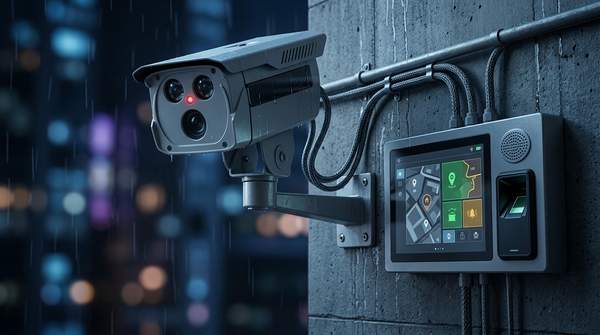
A homeowner uses a smart tablet to monitor home systems, ensuring efficient operation and preventing costly repairs before summer heat arrives.

To prevent expensive, inconvenient breakdowns during summer's hottest months, this guide ranks top smart home maintenance tasks. We prioritized them by preventative impact, cost-effectiveness, and their importance for your home’s cooling and electrical systems, which power smart devices.

The most critical pre-summer tasks were identified by analyzing recommendations from home service professionals and seasonal maintenance reports.

1. Schedule a Professional HVAC Tune-Up — The Most Critical Prevention Task

To prevent a mid-summer HVAC failure, get your heating, ventilation, and air conditioning system professionally serviced. This ensures peak efficiency, catches small problems before they become costly repairs, and may be required by manufacturers for warranty validity, according to achrnews.com.

Essential for all homeowners, a professional tune-up provides a system health baseline for the high-demand season, unlike a DIY filter change. Though a service call costs money, it's minimal compared to emergency repairs. The PEAK maintenance program by Engle Services, for instance, includes seasonal HVAC tune-ups for Alabama homeowners, highlighting their value, reports the Herald-Tribune.

  • Key Data: A professional tune-up can include dozens of checks. Sunset Air and Home Services in Southwest Florida, for instance, performs a 30-point tune-up.
  • Typical Cost: $75 - $200 for a one-time service.

2. Upgrade to a Smart Thermostat — Best for Energy Savings

Upgrade to a smart thermostat to improve home efficiency and comfort. These devices learn your schedule, optimize cooling, and prevent energy waste on empty houses, saving money, according to spacecoastdaily.com. This high-ranking upgrade integrates with other smart home systems, putting energy management directly in your hands.

Ideal for tech-comfortable homeowners managing energy, this upgrade's limitations include upfront cost, stable Wi-Fi requirements, and potential compatibility issues with older HVAC systems. Check your system's wiring before purchase.

  • Materials Needed: Smart thermostat, screwdriver, wire labels, smartphone for setup.
  • Key Data: Look for models with ENERGY STAR certification for proven efficiency.
  • Price Range: $100 - $300+

3. Clean or Replace Your Air Filters — The Easiest High-Impact Task

A clogged HVAC air filter restricts airflow, forcing your system to work harder, increasing energy bills, and potentially causing overheating or failure. Check this filter; it's the easiest, most affordable task with significant impact on performance and indoor air quality.

This fundamental task for homeowners and renters isn't a one-time fix: filters require monthly checks and replacement every 1-3 months, depending on your home environment (e.g., pets, smokers). Neglecting this negates the benefit.

  • Materials Needed: New air filter (correct size), marker to date the new filter.
  • Troubleshooting: If your home gets dusty quickly or you notice reduced airflow from your vents, a dirty filter is the most likely culprit. Check it immediately.
  • Price Range: $5 - $30 per filter.

4. Clear Debris From Your Outdoor Unit — Best for Unrestricted Airflow

Your air conditioner's outdoor unit, the condenser, needs adequate space to function. It works by pulling in air and releasing heat from your home. If it is blocked by leaves, grass clippings, or overgrown shrubs, it cannot work efficiently. Make sure to clear a two-foot perimeter around the unit. This simple step improves efficiency and can extend the life of the compressor.

Essential for central AC homeowners, this task takes minutes and costs nothing. However, extreme caution is vital: the unit contains delicate, easily bent cooling fins and high-voltage electricity. Never attempt to open the unit's casing yourself.

  • Materials Needed: Work gloves, garden hose with a gentle spray nozzle.
  • How-to: After turning off the power, use a hose to gently spray down the exterior fins, washing away dirt and debris from the outside. Do not use a pressure washer.

5. Inspect and Clear the Condensate Drain Line — Key for Preventing Water Damage

Your air conditioner removes humidity from the air, which collects and exits through a condensate drain line. According to reporting in achrnews.com, a backed-up drain line is a common issue, especially in humid regions. If this line becomes clogged with algae or sludge, water can back up and cause significant damage to your home. Checking and clearing it before summer is a crucial preventative step.

Ideal for homeowners in humid climates with frequent AC use, this is a straightforward, albeit potentially messy, DIY task. However, severe clogs may require professional clearing.

  • Materials Needed: Stiff wire brush, wet/dry vacuum, distilled vinegar.
  • How-to: Locate the PVC pipe drain line near your indoor unit. Use a wet/dry vac to suction out any clogs from the exterior end of the pipe. You can also pour a cup of distilled vinegar down the line to kill algae buildup.

6. Seal Air Ducts and Add Insulation — Best for Whole-Home Efficiency

Your smart thermostat can only do so much if your home is leaking cooled air. Leaky ductwork and poor insulation are major sources of energy loss. Sealing gaps in your ducts and ensuring your attic is properly insulated keeps the cool air inside your home, reducing the strain on your HVAC system. A report from spacecoastdaily.com highlights duct sealing and insulation as key upgrades for improving efficiency.

This project is best for owners of older homes or anyone experiencing high energy bills and uneven temperatures between rooms. The primary drawback is the scope of the work. While some duct sealing can be a DIY project, accessing all ductwork can be difficult, and adding insulation is a major task that may require a professional.

  • Materials Needed: Mastic sealant or metal-backed tape for ducts, insulation material.
  • Key Data: Properly sealed and insulated ducts can significantly lower your cooling costs each month.

7. Enroll in a Proactive Maintenance Plan — The "Set It and Forget It" Strategy

Browns Heating & Cooling in Chicago launched a "2026 Pre-Season Comfort Initiative" allowing clients to lock in service and pricing before the summer rush, as reported by the National Law Review. Similarly, Northwest Plumbing Heating & AC offers Service Partner Agreements that include annual inspections and eliminate after-hours fees, according to the Courier-Journal. These professional maintenance plans automate seasonal tune-ups and offer added benefits for homeowners preferring a hands-off approach.

Professional maintenance plans offer peace of mind, predictable costs, and priority service, often proving more cost-effective than individual tune-ups and emergency repairs. The main drawback is the annual subscription fee.

  • Key Data: Northwest Plumbing Heating & AC's agreements start at $99 annually for heating systems.
  • Benefits: Often include priority scheduling, discounted repairs, and automated service reminders.

8. Perform a Whole-Home Electrical System Check — Protecting Your Smart Devices

Summer thunderstorms and increased air conditioning load stress home wiring, risking power surges. A professional electrical inspection ensures circuits, outlets, and breaker panels handle the load and meet code, protecting expensive smart home devices.

An electrical inspection is ideal for homes with many smart devices or older wiring. It requires a licensed electrician, not a DIY task, incurring professional costs.

  • Key Focus Areas: Check for overloaded circuits, ensure proper grounding, and consider installing a whole-home surge protector.
  • Typical Cost: $100 - $250 for a professional inspection.

9. Consider a Full HVAC System Replacement — The Ultimate Proactive Upgrade

If your HVAC system is over 10-15 years old, replacing it before it fails is the ultimate preventative measure. According to a report from the Kern Valley Sun, older systems are less efficient and prone to breaking down during peak summer heat. A planned replacement in the spring avoids the stress, higher costs, and long wait times associated with an emergency replacement in July.

A new, high-efficiency HVAC system provides long-term energy savings and greater reliability, making it ideal for aging, inefficient, or unreliable systems. The significant drawback is the high upfront cost.

  • Newer HVAC systems offer significantly improved energy efficiency and advanced features compared to models from a decade ago.
  • A full system replacement typically costs $5,000 - $15,000+.
TaskCategoryTypical CostBest For
Professional HVAC Tune-UpProfessional Service$75 - $200All homeowners
Upgrade to a Smart ThermostatSmart Home Upgrade$100 - $300+Energy-conscious homeowners
Clean/Replace Air FiltersDIY Maintenance$5 - $30Budget-conscious DIY-ers
Clear Outdoor UnitDIY MaintenanceFreeHomes with yard debris
Enroll in a Maintenance PlanSubscription Service$99 - $300/yearHomeowners seeking peace of mind
Full HVAC System ReplacementMajor Investment$5,000 - $15,000+Owners of aging, inefficient systems

How We Chose This List

We prioritized tasks explicitly mentioned in reports from home service experts and industry news. We focused on actions that homeowners can take before the summer peak to prevent common failures like clogged filters and backed-up drain lines, as reported by sources like achrnews.com. We also included larger strategic upgrades, such as new systems or maintenance plans, based on initiatives launched by companies like Engle Services and Browns Heating & Cooling. Tasks were excluded if they were not directly related to preparing for the demands of summer heat and humidity on a modern home.

The Bottom Line

A professional HVAC tune-up is the most essential task for maximum prevention against system failure. For the best return on investment in efficiency and convenience, upgrading to a smart thermostat offers a powerful, immediate improvement.