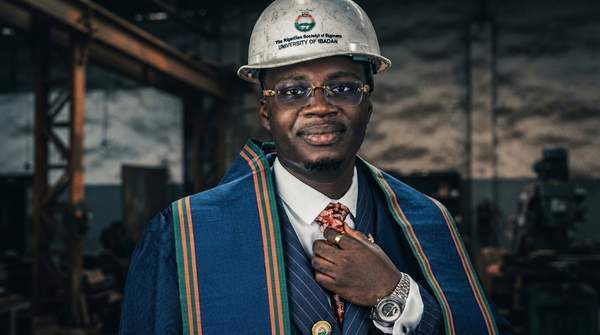
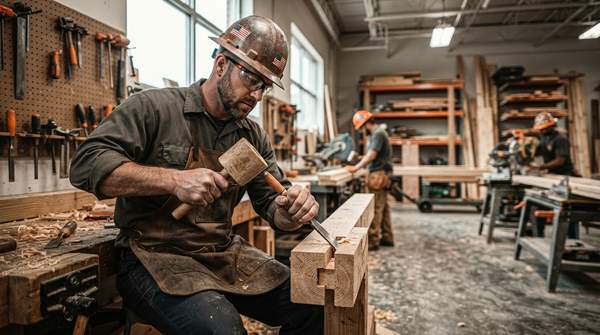
Nvidia CEO Jensen Huang declared AI is ushering in a new industrial era, making it "a time for electricians, plumbers, iron workers, technicians, and builders," according to MoneyWise. This re-evaluates valuable skills and shifts economic focus beyond purely digital work.
While AI automates many white-collar jobs, it simultaneously creates urgent demand for hands-on skilled trades. Companies will struggle to find labor to build and maintain AI's physical infrastructure, potentially shifting career prestige towards vocational roles.
This paradox positions skilled trades as a secure, lucrative career path, offering refuge from automation.
The Shifting Landscape of Opportunity
Demand for skilled trades workers grows faster than nearly any other occupation, reports the Construction Owners Club. This growth, coupled with the industry's looming retirement cliff, creates a critical labor shortage and a clear market opportunity for new entrants, including those currently in white-collar roles.
AI's Unseen Hand: Building the Future
AI infrastructure expansion and emissions reduction create more opportunities for skilled workers, reports the Construction Owners Club. The physical demands of supporting advanced AI and a greener economy make these workers essential. This contradicts the narrative that technology only replaces manual labor; instead, it fuels blue-collar job growth.
The Societal Ripple Effect
Rebalancing labor demand challenges long-held biases against vocational careers. This shift offers greater economic security and respect for skilled trades. Traditional advice pushing only higher education and white-collar roles is outdated, according to Construction Owners Club data. Many are unprepared for the true economic opportunities ahead, as diversified career paths become socially acceptable and desirable.