No single water heater type wins on every measure. Conventional storage tank units are the least expensive to install, tankless models last the longest and free up floor space, heat pump units cut operating costs the most dramatically, and solar systems offer the largest long-term savings in sunny regions—at the steepest upfront price. The right choice for your home depends on balancing upfront cost against long-term energy savings, and matching the technology to your household size, climate, installation space, and existing fuel supply. This guide lays out the trade-offs across all four main types and walks through how to apply them to your situation.
Understanding Residential Water Heater Types
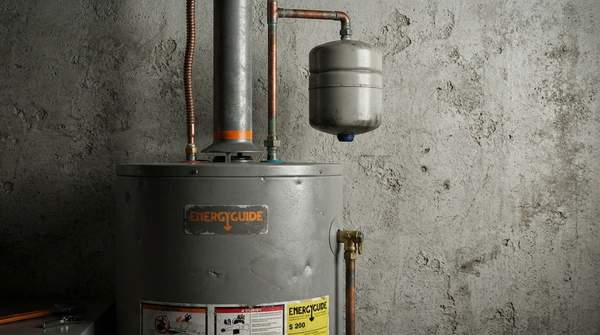
The four dominant residential technologies heat water in fundamentally different ways. A storage tank heater—fueled by gas or electricity—keeps a standing volume of water hot at all times, ready to draw on demand. A tankless, or on-demand, unit has no reservoir at all: it heats water only as it flows through the device, eliminating the standby losses inherent in keeping a tank hot. A heat pump, or hybrid, water heater works like a refrigerator in reverse, transferring heat from the ambient air into the water rather than generating heat directly; according to A.O. Smith, these units include auxiliary heating elements for periods of high demand or unseasonably cold weather. Finally, a solar water heater uses the sun's energy as its primary heat source, typically paired with a backup heater for cloudy days and high-demand periods.