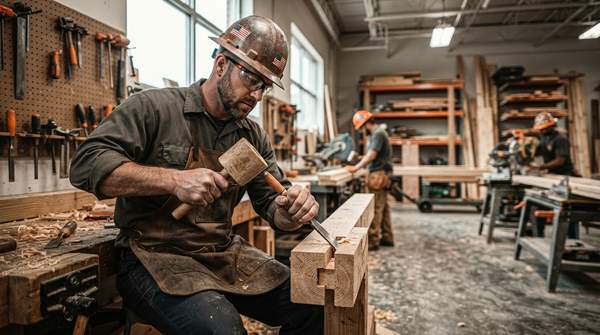
The Ghana Enterprises Agency (GEA), in partnership with the Mastercard Foundation, distributed start-up kits to 481 young people in the Tamale Metropolis, according to MyJoyOnline. This initiative provides essential tools for new entrants into various skilled trades, enabling them to begin their professional careers.
The distribution is part of the broader Business in a Box (BizBox) initiative, which aims to equip beneficiaries with both employable skills and the physical resources necessary to establish and grow their own businesses. This intervention directly addresses the significant barrier of initial tool and equipment costs for many apprentices and newly trained artisans, providing the foundational assets needed to begin accepting work and generating income within their communities.
What We Know So Far
- The Ghana Enterprises Agency (GEA) and the Mastercard Foundation provided start-up kits to 481 young people in the Tamale Metropolis, according to MyJoyOnline.
- The initiative was implemented under the Business in a Box (BizBox) project, which includes the Access to Agricultural Entrepreneurship (AA2E) and Apprenticeship to Entrepreneurship (A2E) programmes, the report states.
- The kits were tailored for a range of skilled trades, including masonry, plumbing, auto mechanics, electrical works, carpentry, barbering, and various forms of food processing.
- The stated purpose of the program is to furnish beneficiaries with the skills and resources required to launch or expand their business ventures, as reported by MyJoyOnline.
GEA Start-Up Kits Tamale Youth Empowerment Initiative
The distribution of these start-up kits, reported by MyJoyOnline, falls under the GEA's Business in a Box (BizBox) framework. This framework represents a targeted effort to support young artisans, designed to move individuals directly from training and apprenticeship phases into entrepreneurship by removing common initial hurdles.
Ms. Margaret Ansei, CEO of GEA, addressed the beneficiaries directly, emphasizing the practical purpose of the tools. "Do not keep these start-up kits in your bedrooms; do not sell them when things are difficult," she stated, according to MyJoyOnline. "Use them to support yourselves and to create more employment opportunities in your communities." This instruction underscores the program's focus on sustainable self-employment and local economic development, encouraging recipients to view the kits as capital for building a business rather than as a one-time asset.
The report also noted Ms. Ansei's statement that the initiative aligns with a broader national vision. She stated that the program formed part of John Dramani Mahama's vision to ensure young people are gainfully employed for national development. This places the specific action in Tamale within a larger, stated policy context focused on youth employment and economic participation through skilled trades and entrepreneurship.
What's in the GEA Start-Up Kits for Youth?
While a detailed inventory of each kit was not provided, the report from MyJoyOnline confirms the tools were distributed to support a diverse set of skilled trades. The kits were specifically curated for graduates of apprenticeship programs in fields essential to local infrastructure and services. These trades include foundational construction roles like masonry, plumbing, electrical works, which are crucial for both residential and commercial development.
The program also supports mechanical and personal service trades, providing kits for auto mechanics and barbers. This reflects an understanding of the varied economic activities that sustain a community. Furthermore, the inclusion of kits for rice processing, fruit processing, and general food processing highlights the initiative's support for agricultural value chains, a key sector in the region. For a new mason, a kit might contain trowels and levels; for an auto mechanic, a basic set of wrenches and diagnostic tools. The common thread is providing the essential equipment that allows a skilled individual to transition from apprentice to practitioner.
By providing these foundational toolsets, the initiative aims to bridge the gap between completing technical training and securing paid work. Without these tools, many newly certified tradespeople face a difficult period trying to save enough capital to properly equip themselves, often delaying the start of their careers. This program provides that initial capital in the form of physical equipment, enabling a more immediate entry into the workforce.
What We Know About Next Steps
The distribution of start-up kits may not be the final stage of support for the 481 beneficiaries. According to the report, GEA CEO Ms. Margaret Ansei indicated that further assistance could be available to those who effectively utilize the initial tools to build their businesses. This suggests a potential pathway for continued development for the young entrepreneurs.
In a direct quote reported by MyJoyOnline, Ms. Ansei stated, "If you are doing well with these start-up kits, subsequently we will come up with other support to you like grants, loans, including technical and other business development support." This statement outlines a conditional, performance-based model for future aid. The success of the beneficiaries in using their new tools will reportedly be a key factor in determining their eligibility for subsequent financial and technical assistance.
The report did not provide a specific timeline, a formal application process, or the exact criteria for what constitutes "doing well." The next steps appear to be contingent on the progress of the recipients and future programmatic decisions by the GEA and its partners. For now, the focus remains on the initial deployment and use of the 481 start-up kits.