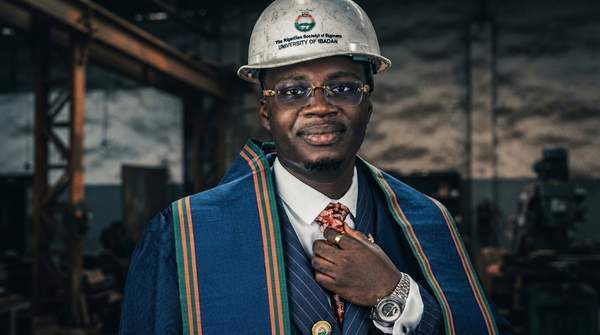
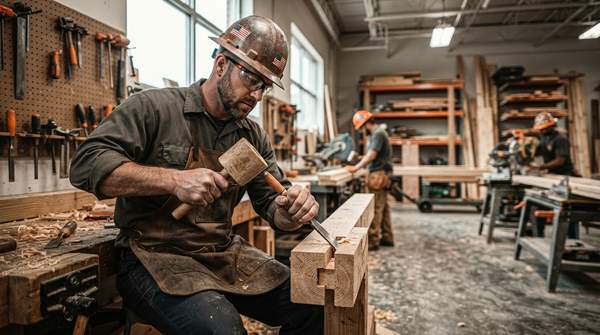
The number of tradeswomen in construction and extraction occupations surged by 77.3% since 2015, reaching 366,360 in 2024, according to CNBC. The 77.3% surge signals a powerful, albeit quiet, shift in traditionally male-dominated industries, bringing new skills and perspectives to job sites across the nation.
However, women are entering skilled trades at unprecedented rates, but the industries often fail to provide the safe and supportive environments necessary for them to stay and thrive.
Sustained growth and true gender equity in skilled trades will depend not just on attracting more women, but critically on dismantling hostile workplace cultures and investing in robust retention strategies.
A Quiet Revolution: Women Reshaping the Trades Landscape
The number of tradeswomen in construction and extraction occupations surged by 77.3% since 2015, reaching 366,360 in 2024, according to CNBC. The 77.3% surge highlights a growing interest among women in careers that offer stable employment and competitive wages, challenging long-held societal norms about gender-appropriate work. The influx of new talent promises to diversify skill sets and foster innovation within sectors previously dominated by men. However, this demographic shift is more a revolving door than true integration if retention efforts falter.
- 32.1% — The number of women in construction trades increased from 2016 to 2021, according to iwpr (2021).
- 4.5% — In 2021, laborers who are women represented 4.5% of all laborers, a 54.6% increase from 2016, according to iwpr (2021).
- 8.9% — In 2021, women constituted 8.9% of painters and paperhangers, a 29.6% increase from 2016, according to iwpr (2021).
The 32.1% increase in women in construction trades, 4.5% representation of women laborers, and 8.9% of women painters demonstrate a clear, sustained upward trajectory for women entering and establishing themselves in diverse skilled trade roles. The consistent growth across various construction-related occupations suggests a fundamental shift in career aspirations and opportunities. Women are increasingly seeking out these roles, not just as temporary employment, but as viable long-term career paths. This diversification of the workforce can bring new perspectives and problem-solving approaches to traditional trades, enhancing overall industry resilience and adaptability.

Beyond the Hammer: New Frontiers in Apprenticeships
Australia had around three times as many female electrician apprentices in 2025 as in 2015, marking a substantial increase in a highly technical trade. The number of female apprentice butchers in Queensland has more than tripled since 2020, according to ABC News & Headlines – Australian Broadcasting Corporation. The three-fold increase in female electrician apprentices and the tripling of female butcher apprentices indicate a broader re-evaluation of career paths, with women actively pursuing roles that offer specialized skills and strong earning potential. The data below illustrates this trend:
| Apprenticeship Metric | 2020 | 2022 | 2025 | Growth Trajectory |
|---|---|---|---|---|
| Female Butcher Apprentices (Queensland) | X | 25 | >75 (tripled since 2020) | Significant Increase |
| Female Electrician Apprentices (Australia) | Y | Z | ~3x (compared to 2015) | Substantial Increase |
Footnote: Data points for 2020, 2022, and 2025 are derived from OCNJ Daily and ABC News & Headlines – Australian Broadcasting Corporation. Specific numerical values for 'X', 'Y', and 'Z' were not provided in the source for direct comparison, but the growth trends are confirmed.
The dramatic rise in women pursuing trades like butchery and electrical work indicates a broader re-evaluation of career paths and opportunities. The dramatic rise in women pursuing trades like butchery and electrical work highlights a growing awareness of the benefits of skilled trades, including job security, competitive wages, and the chance to develop tangible skills. It also suggests that women are increasingly confident in challenging gender stereotypes and entering fields that were once almost exclusively male. However, this initial interest must be matched with supportive environments to ensure long-term retention.
The Long Road Ahead: Small Percentages, Big Impact
The minimal representation on the ground, despite impressive percentage growth in recent years, underscores the vast disparity that remains in the overall workforce. While the number of tradeswomen in construction and extraction occupations surged by 77.3% since 2015, the actual representation on the ground remains minimal. This stark contrast between surging female entry and their continued marginal representation reveals that current growth rates are insufficient to achieve meaningful gender parity without aggressive, systemic interventions.
While growth percentages are impressive, the persistently low overall representation of women in tool-based trades underscores the deep-seated nature of gender imbalance and the scale of the challenge remaining. The low percentage means that women in these roles often find themselves isolated, lacking a critical mass of peers to build community and support networks. This isolation can exacerbate feelings of being an outsider and make it harder to navigate workplace challenges. The industry must move beyond simply celebrating entry numbers and focus on creating an environment where women can truly integrate and thrive.
The Hidden Costs: Harassment and High Attrition
Twenty-five percent of women working in automotive trades have directly experienced sexual harassment at work, according to ABC News & Headlines – Australian Broadcasting Corporation. The alarming statistic that twenty-five percent of women working in automotive trades have directly experienced sexual harassment at work points to a pervasive issue within skilled trades that actively undermines efforts to attract and retain female talent. The problem extends beyond harassment, impacting completion rates significantly. Of the 25 women who started a four-year butcher's apprenticeship in 2022, only 10 completed in 2025, revealing a catastrophic 40% completion rate despite initial interest and entry, according to ABC News & Headlines – Australian Broadcasting Corporation. Based on this data, industries celebrating increased female entry are prematurely declaring victory, as a leaky retention pipeline is undermining any real demographic shift.
High rates of sexual harassment and low completion rates reveal that a lack of supportive and safe environments is a major barrier to women's sustained participation and success in these fields. The 25% sexual harassment rate in automotive trades indicates that companies prioritizing diversity initiatives without simultaneously overhauling workplace culture are merely setting women up for failure and perpetuating a hostile environment. This hostile environment acts as a primary driver of attrition, indicating that workplace culture actively pushes women out after they've been recruited, making the 'pipeline' full, but leaky.
Beyond Tradition: Redefining 'Women's Work'
The shift away from traditionally female-dominated trades suggests a broader cultural re-evaluation of career opportunities, demanding that industries proactively adapt to attract and retain a more diverse workforce.
- Numbers of women starting hairdressing apprenticeships have dropped by nearly 200 in the same period, according to ABC News & Headlines – Australian Broadcasting Corporation.
This decline in traditionally female-dominated apprenticeships, while women surge into fields like butchery and electrical work, indicates a significant change in career aspirations. Women are increasingly seeking roles with higher earning potential and diverse skill sets, moving away from sectors that may offer lower wages or limited growth. Industries must recognize this evolving preference and actively create welcoming environments in all trades to capitalize on this talent pool. Failure to adapt to these changing aspirations risks industries losing out on a vital segment of the workforce.
Building a More Inclusive Future
- The number of tradeswomen in construction and extraction occupations surged by 77.3% since 2015.
- Only 10 of 25 female butcher apprentices completed their program in 2025, a 40% completion rate.
- 25% of women in automotive trades experienced sexual harassment.
The continued, albeit slow, growth in specific trades like carpentry reinforces the potential for women to thrive, provided systemic barriers are actively addressed and overcome. The illusion of progress, driven by impressive entry numbers, masks a critical retention problem. Industries must acknowledge that the high incidence of sexual harassment and abysmal completion rates are direct, systemic causes for low retention, not just unfortunate statistics. Addressing these deep-seated cultural issues is paramount for creating truly inclusive workplaces. By 2028, construction firms failing to implement comprehensive anti-harassment policies and robust retention programs could see a 15% reduction in their female skilled labor pool, jeopardizing critical project timelines and competitive edge.