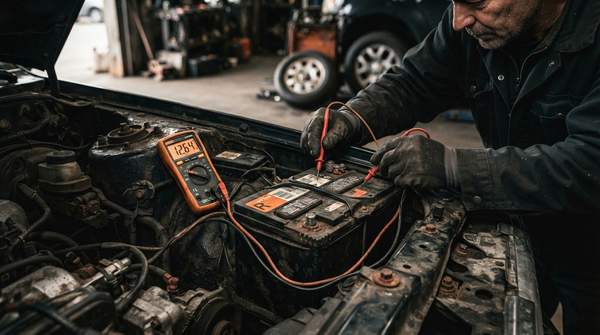
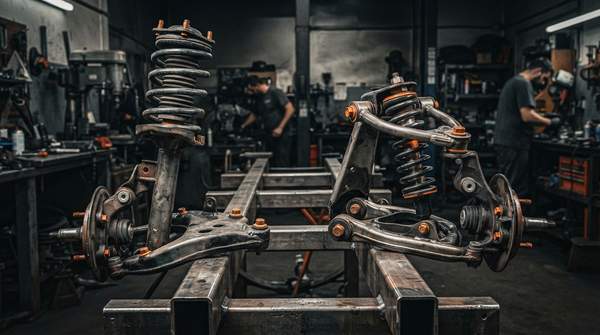
In a recent survey, 70% of EV owners expressed a preference for independent repair shops, yet only 10% of these shops are currently equipped to service high-voltage electric vehicle systems, according to the Automotive Aftermarket Association. The gap between 70% of EV owners preferring independent shops and only 10% of shops being equipped creates a growing chasm between consumer demand and available service options, limiting choices for EV owners.
Electric vehicles are marketed as a sustainable future for transportation, but their complex, proprietary repair requirements are creating an unsustainable future for independent repair shops and consumer choice. Automakers are leveraging advanced technology and exclusive software to control the post-sales service market.
Based on the growing technological barriers and legislative efforts, the automotive repair landscape is likely to bifurcate, with independent shops either specializing in specific EV components or facing significant decline, unless comprehensive 'right to repair' laws are universally enforced. The likely bifurcation of the automotive repair landscape, with independent shops either specializing in specific EV components or facing significant decline, suggests a future where owning an EV means surrendering control over its maintenance to the manufacturer.
The Looming Crisis for Independent Garages
EV battery replacements can cost upwards of $20,000, often exceeding the vehicle's residual value, according to Consumer Reports. The high cost of EV battery replacements (upwards of $20,000), combined with limited independent shop capabilities, forces most owners into higher-cost dealership service due to a lack of accessible alternatives.
Tesla vehicles require proprietary diagnostic software inaccessible to independent mechanics, according to the Right to Repair Coalition. Ford's EV training program for technicians costs over $5,000 per person and demands specialized equipment investment, as reported by the Ford Dealership Network. Manufacturer-imposed barriers, including Tesla's proprietary diagnostic software and Ford's costly EV training program and equipment investment, create a technological chasm, consolidating power and limiting independent repair viability.
Manufacturers' Stance: Safety, IP, and Warranty Concerns
Automakers claim proprietary data access is necessary for vehicle safety and intellectual property protection, according to the Alliance for Automotive Innovation. Automakers' assertion that proprietary data access is necessary for vehicle safety and intellectual property protection often serves as a convenient veil for anti-competitive practices, despite many routine EV repairs not inherently posing greater safety risks than internal combustion engine (ICE) vehicles, provided technicians have proper training.