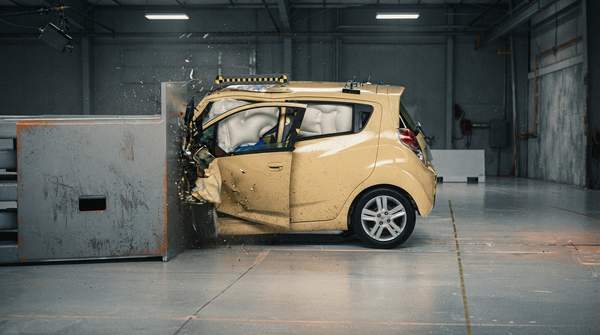
By September 2029, every new passenger vehicle in the U.S. must include Advanced Emergency Braking (AEB) systems. This mandate from the NHTSA will fundamentally change how cars stop, requiring vehicles to automatically detect and respond to imminent collisions without driver input. This regulatory push forces the automotive industry to rapidly integrate sophisticated stopping technologies, ensuring enhanced safety on the roads.
Government mandates for universal advanced safety features like AEB are pushing the envelope of vehicle technology. However, the underlying electro-mechanical braking systems are becoming significantly more complex and expensive to service. This creates a tension between the societal benefit of enhanced safety and the practical realities of increased vehicle ownership and repair costs for consumers. The evolution of these systems demands new skill sets from technicians and specialized diagnostic equipment.
The automotive industry is trading traditional mechanical simplicity for advanced electronic control. This shift will likely lead to a future where brake maintenance is less about simple pad changes and more about sophisticated software diagnostics and specialized component replacement, directly increasing overall vehicle ownership costs. For the 2026 model year, several manufacturers will introduce Electro-Mechanical (all electric) brakes in certain applications. Yet, most 2026 systems will retain Electro-Hydraulic Brake-By-Wire systems on the front, according to industry diagrams. A more complex, phased evolution of braking technology than a clean, immediate switch to fully electric systems is indicated. The hybrid approach, blending hydraulic power with electronic control, introduces an interim period of even greater system complexity and potential diagnostic challenges.
The Current Cost of Stopping: Standard Brake Maintenance
Brake pads, essential friction components, typically last between 30,000 to 50,000 miles or 40,000 to 100,000 kilometers, depending on factors like driving habits, vehicle weight, and the frequency of hard stops. When these critical components wear out, their timely replacement becomes necessary to maintain vehicle safety, responsiveness, and overall stopping performance. Routine service is a consistent and expected expense for vehicle owners throughout their vehicle's lifespan.
The average cost for a brake pad replacement ranges from $320 to $379 per axle, according to Car Medics Autowerks. This figure typically encompasses the cost of new pads and the labor required for installation. Beyond just pads, a comprehensive brake job often includes inspecting or replacing rotors, which can add significantly to the total cost, especially if they are heavily grooved or warped. Labor costs for brake pad replacement alone typically fall between $120 and $177 per axle for a typical vehicle, reflecting the time and expertise involved in disassembling, inspecting, and reassembling the braking components. Routine brake maintenance, while essential for safety, already represents a significant and recurring expense for vehicle owners, setting a baseline against which the future costs of advanced braking systems will be measured.