ADAS recalibration now appears on over a third (35.6%) of all collision repair estimates, a significant jump from 26.9% just a year ago, according to findpigtails. This critical service often adds hundreds of dollars to the final bill, with average costs rising from $250 to $500. A surge in required recalibrations, coupled with rising costs, signals a fundamental shift in post-collision vehicle repair demands. The need for ADAS calibration is rapidly increasing, yet most repair shops lack the necessary equipment and expertise to perform these essential services in-house. The disparity creates a significant bottleneck, pushing repairs to specialized external providers and potentially delaying vehicle returns. Given the accelerating adoption of Advanced Driver-Assistance Systems (ADAS) and the high cost of specialized equipment, the automotive repair landscape will likely consolidate. Consolidation favors larger, better-equipped facilities or specialized calibration centers, while smaller shops face significant pressure to adapt or specialize.
What is ADAS Calibration and Why is it Needed?
Advanced Driver-Assistance Systems (ADAS) are safety features designed to prevent collisions and accidents by assisting the driver. These systems include adaptive cruise control, lane departure warning, automatic emergency braking, and blind-spot monitoring. Each system relies on an array of sensors, cameras, and radar units precisely positioned around the vehicle.
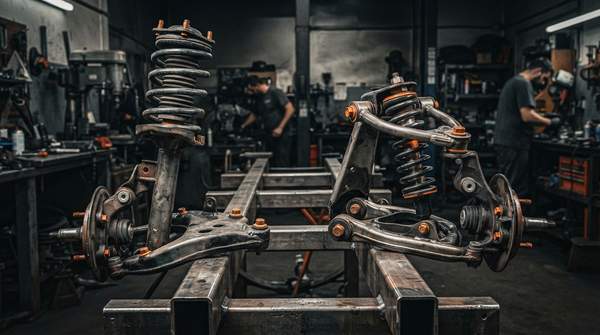
A minor collision, even a seemingly innocuous fender bender, can misalign these critical sensors, rendering the ADAS features ineffective or dangerous. For instance, a slightly misaligned front radar sensor could cause adaptive cruise control to brake erratically or fail to detect an obstacle. Therefore, ADAS calibration involves precisely realigning these sensors to manufacturer specifications after any event that might affect their positioning, such as a collision, suspension repair, or even a windshield replacement.
The actual requirement for ADAS calibration is significantly higher than typically estimated; 61% of vehicles undergoing collision repair actually need calibration based on the work performed, according to findpigtails. The 61% figure stands in stark contrast to the 35.6% of estimates that currently include it, suggesting a substantial gap in initial diagnosis or a widespread failure to recognize the necessity of calibration. The discrepancy potentially compromises vehicle safety for a large number of drivers, who may unknowingly receive vehicles with improperly functioning safety systems.
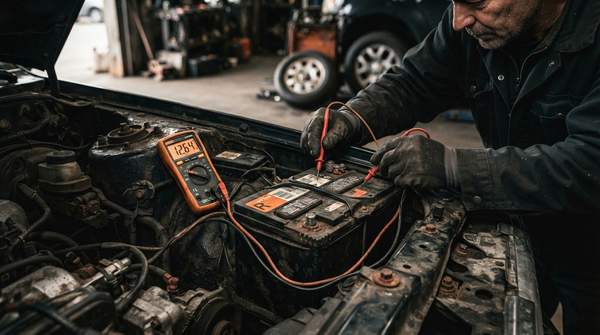
ADAS calibration services are transitioning from optional to essential revenue streams due to the increasing number of ADAS-equipped vehicles on the road, as noted by Tire Supply Network. As ADAS becomes standard, calibration is no longer an add-on service but a critical safety procedure, making it an unavoidable and significant component of modern vehicle repair. The escalating cost of these essential services, doubling from an average of $250 to $500 according to findpigtails, creates a tension where shops see a necessary income opportunity, but consumers face a rapidly increasing financial burden for essential safety features.
The Industry's Capability Gap
The automotive repair industry faces a critical shortage of in-house ADAS calibration capabilities, creating a significant bottleneck in collision repair workflows. Only 44% of collision repair shops currently possess the equipment and expertise for ADAS calibration, according to findpigtails. Only 44% of collision repair shops possessing the equipment and expertise for ADAS calibration means a substantial portion of vehicles requiring ADAS calibration are being serviced by shops that lack the in-house capability, implying widespread outsourcing, delayed repairs, or potentially unsafe vehicles being returned without proper calibration.
Collision centers often encounter capability gaps when their existing equipment is optimized for previous technology, and new camera-based systems are introduced, states Protech Automotive Solutions. The disparity between the actual need for calibration (61% of vehicles) and the industry's limited capacity (44% of shops) forces a majority of repairs to be outsourced. Such outsourcing erodes potential in-house profit margins and adds logistical complexities, extending repair times for customers. More critically, the capability gap means the industry is currently returning a substantial number of potentially unsafe vehicles to the road, unknowingly compromising driver safety.
The Cost of Keeping Up: Investment and Obsolescence
Investing in ADAS calibration technology demands a substantial and ongoing financial commitment. Average calibration costs have doubled from $250 to $500, according to findpigtails, impacting consumers and insurers. Compounding this, ADAS equipment often requires significant upgrades or complete replacement around year five, states Protech Automotive Solutions. Rapid obsolescence traps shops in a continuous cycle of capital outlays to maintain current capabilities and comply with evolving manufacturer specifications. Smaller independent shops, in particular, struggle to allocate substantial capital for frequent upgrades, creating a competitive disadvantage against larger chains or specialized calibration centers. The rapid obsolescence and struggle to allocate substantial capital forces shops to weigh the benefits of in-house calibration against high costs and rapid technological advancements, often making outsourcing a more financially viable, though less profitable, option.
Beyond ADAS: The Future of Automotive Diagnostics
The challenges presented by ADAS calibration are merely one aspect of a broader technological shift transforming automotive diagnostics and repair. Advanced diagnostic tools, connected car technologies, and data analytics are revolutionizing vehicle maintenance, according to EdTech Innovation Hub. The transformation extends beyond sensor calibration to encompass entire vehicle ecosystems, demanding new skill sets and diagnostic approaches from technicians.
The increasing integration of software and complex electronic systems means that future innovations in car maintenance may include blockchain for service records, machine learning for predictive diagnostics, and even 3D printing for spare parts, as also noted by EdTech Innovation Hub. The increasing integration of software and complex electronic systems and future innovations indicate that the automotive technician of 2026 and beyond will require a deeper understanding of data science and software engineering, in addition to traditional mechanical skills.
The evolution of ADAS calibration is merely a precursor to a more profound transformation in vehicle maintenance, driven by data, artificial intelligence, and advanced manufacturing. Data, artificial intelligence, and advanced manufacturing will further redefine the skills and tools required for automotive repair, demanding a proactive investment in training and equipment. Shops that fail to adapt to these broader trends risk becoming obsolete, unable to service the increasingly sophisticated vehicles entering the market.
Preparing for this future demands more than just ADAS equipment. It requires a strategic vision for integrating new diagnostic platforms, understanding big data analytics for vehicle health, and training staff in emerging technologies. Continuous technological advancement presents both new challenges and opportunities for the industry.
Frequently Asked Questions About ADAS Calibration
What types of ADAS systems commonly require calibration?
Many ADAS systems require precise calibration, including Adaptive Cruise Control (ACC), Lane Departure Warning (LDW), Blind Spot Monitoring (BSM), and Automatic Emergency Braking (AEB). Each system relies on specific sensors—radar, cameras, or ultrasonic—that must be aligned to manufacturer specifications after certain repairs or events. For example, a front-facing camera for LDW needs recalibration following a windshield replacement.
How long does an ADAS calibration procedure typically take?
The duration of an ADAS calibration can vary significantly based on the vehicle make, model, and the specific system being calibrated. A static calibration, performed in a shop using specialized targets, might take 1-2 hours. A dynamic calibration, requiring the vehicle to be driven under specific conditions, could take longer, sometimes several hours or even multiple driving cycles to complete accurately.
Can any collision repair shop perform ADAS calibration?
No, not all collision repair shops can perform ADAS calibration. Specialized equipment, manufacturer-specific targets, and highly trained technicians are essential for accurate calibration. Shops must invest in dedicated calibration bays, diagnostic tools, and ongoing training for their staff to meet the stringent requirements set by vehicle manufacturers for these safety-critical systems.
By Q3 2026, independent collision repair shops failing to invest in ADAS calibration equipment, especially for advanced camera-based systems, will likely see a 15-20% reduction in their addressable market for collision repairs, favoring larger facilities or specialized centers like Protech Automotive Solutions.