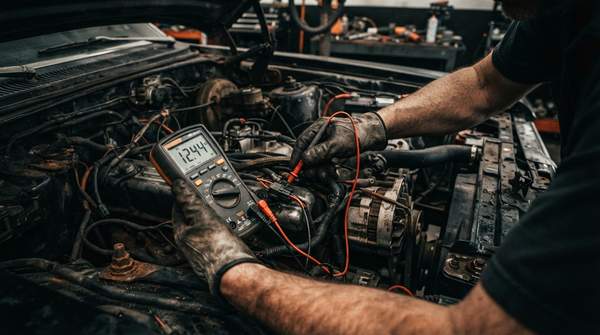
A simple clicking noise when turning the key can be the first, clear sign that your car's electrical system is struggling, often pointing directly to a failing starter motor. An initial symptom provides a crucial starting point for any automotive electrical system faults troubleshooting guide, especially in 2026, as vehicles become more complex. Recognizing these early indicators can prevent more significant issues and costly repairs down the road.
Automotive electrical problems often appear daunting and complex, but many common faults have clear, easily identifiable symptoms and straightforward diagnostic paths. Owners frequently assume a need for specialized diagnostic equipment or professional intervention, even for minor issues.
Investing a small amount of time to understand basic electrical troubleshooting can significantly reduce repair costs and increase a vehicle owner's self-reliance. The approach empowers individuals to identify and address common faults, often bypassing unnecessary mechanic visits for simple, diagnosable electrical problems.
Recognizing the Early Warning Signs
A slow crank or difficulty starting the engine often signals a weakening battery, unable to deliver sufficient amperage, according to BarrysAutoBody. Dimming or flickering headlights also suggest insufficient power, pointing to a charging system issue or a failing battery. A clicking noise when turning the key indicates a failing starter motor. Symptoms are not just warnings; they are direct diagnostic cues. Car owners frequently overpay for diagnostic labor on such common electrical faults. Evidence from BarrysAutoBody and Hagerty shows that symptoms like a 'clicking noise' or 'dimming headlights,' combined with a simple battery test, often pinpoint the exact issue, rendering professional diagnostic fees for these problems largely redundant.
Systematic Troubleshooting for Accurate Diagnosis
While mechanics often recommend formal 'Diagnostic System Checks' requiring specialized equipment, as per Accelerationtech, a simpler, more direct method exists for many components. Hagerty suggests wiring the device directly to the battery to test its function. A direct test bypasses the vehicle's complex wiring and control modules, immediately confirming component functionality. The automotive repair industry, by emphasizing complex diagnostic procedures, may inadvertently obscure the straightforward nature of many common electrical problems, creating an unnecessary barrier for owners. A practical approach often renders professional diagnostic equipment unnecessary for initial fault identification, empowering owners to quickly isolate a faulty part and reduce guesswork.
Common Pitfalls in Electrical Troubleshooting
Owners often assume complex electrical failure when a simple issue, like a blown fuse or loose connection, is present. Overlooking these basic checks leads to unnecessary mechanic visits. Misinterpreting symptoms is another pitfall; a dead battery, for instance, might be mistaken for an alternator failure. Incorrect multimeter use, such as setting it to the wrong function, yields misleading results or damages components. Always ensure the meter is correctly set for voltage, resistance, or amperage to prevent complications and ensure accurate diagnosis.
How to diagnose a car electrical problem?
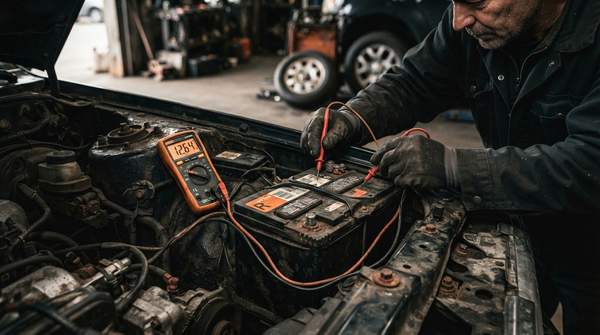
Diagnosing a car electrical problem typically begins with observing symptoms like a slow crank, dim lights, or a clicking starter. After symptom identification, check basic components such as the battery terminals for corrosion or looseness, and inspect relevant fuses for breaks. A multimeter can then be used to test battery voltage and continuity in circuits.
What tools are needed for car electrical diagnostics?
Basic car electrical diagnostics require a few key tools. A digital multimeter is essential for measuring voltage, resistance, and current. A test light can quickly check for power in circuits and fuses. Jumper cables are useful for testing components directly off the battery, and a set of wire strippers and connectors can assist with minor wiring repairs.
How do I test my car's electrical system?
To test your car's electrical system, begin by checking the battery's voltage with a multimeter; a healthy battery should read around 12.6 volts when the engine is off. Next, test the alternator by checking the voltage across the battery terminals while the engine is running; it should be between 13.5 and 14.5 volts. For individual components like a starter, you can perform a direct wiring test by connecting it to a known good battery with jumper cables, ensuring it activates.
As owners increasingly adopt basic electrical troubleshooting, automotive service centers may need to shift their focus towards more complex repairs, potentially reducing diagnostic labor costs for common electrical issues by 15% for informed car owners by 2026.