Projects

How to Choose Fasteners for Construction and DIY Projects: A Buyer's Guide

Choosing the right fastener is critical for any construction or DIY project. This guide breaks down essential types, materials, and factors to consider, ensuring you pick the perfect hardware every time.

SR
Scott Ramirez

April 2, 2026 · 8 min read

A close-up of a workbench displaying an array of construction fasteners, including screws, nails, bolts, and anchors, with a gloved hand selecting one, symbolizing careful project planning.

Selecting the right fastener is critical for any construction or DIY project. The wrong choice can lead to a weak joint, a failed structure, or a frustrating building experience. This guide helps you navigate the hardware aisle by breaking down essential types, materials, and factors to consider, ensuring you pick the perfect nail, screw, bolt, or anchor every time.

Who Needs This Guide?

This comprehensive guide is for the dedicated DIYer, home renovator, and aspiring tradesperson. Understanding fasteners is essential for building furniture, constructing a deck, framing a wall, or working on mechanical equipment. You need to know the difference between shear strength and tensile strength, and how to select the right material for indoor versus outdoor use. This guide provides that knowledge.

While hanging a lightweight picture frame may not require this detail, projects demanding safety, longevity, and structural integrity do. This guide covers core fastener types and key factors influencing your choice.

Types of Fasteners: Screws, Nails, Bolts, and More

The industry resource Southco identifies numerous fastener types, including bolts, screws, nuts, and rivets. For most construction and DIY projects, however, you will primarily work with four main categories.

  • Nails: Nails are the simplest fasteners. You drive them into material with a hammer or nail gun. They offer excellent shear strength, which is the ability to resist forces that could slide one piece of material past another. This makes them ideal for framing walls, where the load is perpendicular to the nail.
  • Screws: Screws provide superior tensile strength, or holding power. The threads grip the material, making them highly resistant to being pulled out. This is crucial for projects like attaching cabinet hinges or building furniture. According to fastener supplier Bolt Depot, wood screws are designed with large threads and a smooth shank just below the head, which helps pull two pieces of wood together tightly.
  • Bolts: Bolts are used for heavy-duty connections, especially when joining metal or thick wood. A bolt passes through a hole in both materials and is secured on the other side with a nut. Bolt Depot notes that hex bolts are common in machinery and construction and can be used with a nut or in a pre-tapped hole. They provide immense clamping force.
  • Anchors: Anchors are used to attach items to materials like concrete, brick, or drywall. They expand inside the material to create a secure hold where a standard screw or nail would fail. Common types include sleeve anchors for concrete and toggle bolts for hollow walls.

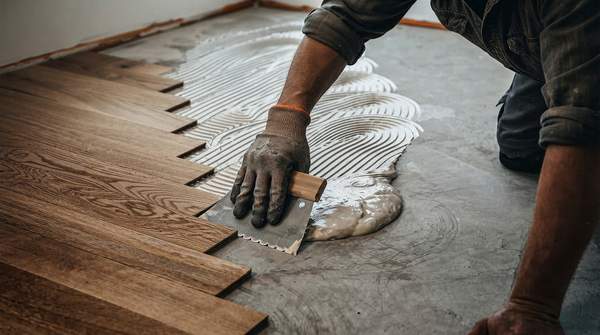
How to Choose the Right Fastener for Wood, Metal, and Concrete

A fastener designed for wood will not work in concrete; matching the fastener to the base material is the most important step for a secure connection. This material choice is the first factor in your decision.

For Wood Projects: Nails and screws are your primary choices. Use nails for framing and structural work where speed is important and the load is primarily shear. For tight connections or components that might need disassembly, use wood screws or specialized deck screws; their aggressive threads provide excellent grip in wood fibers.

For Metal Projects: When fastening metal to metal, you will typically use machine screws or bolts. Machine screws have fine, straight threads and are designed to go into a pre-tapped hole. Bolts, secured with a nut and washers, are used for connections that require significant clamping force. Self-tapping screws can also be used to join thin sheet metal without pre-drilling.

For Concrete and Masonry: You must use anchors to fasten anything to concrete, brick, or block. First, you drill a pilot hole. Then, you insert the anchor, which expands as you tighten the screw or bolt. Wedge anchors and sleeve anchors are common choices for medium-to-heavy loads, like mounting a shelf bracket or a handrail.

SAFETY TIP: Always Wear Eye Protection

Always wear certified safety glasses when driving nails, screws, or drilling into masonry, as small fragments of metal, wood, or concrete can break off and cause serious eye injury.

Understanding Fastener Materials, Grades, and Drives

Beyond type and material, a fastener's composition and design determine its strength, corrosion resistance, and ease of installation. Bolt Depot provides a helpful breakdown of these features.

Material and Coating: A fastener's material determines its strength and corrosion resistance.

  • Zinc-Plated Steel: This is a common, inexpensive option suitable for indoor projects with no moisture exposure. The thin zinc coating offers only moderate corrosion resistance.
  • Hot-Dipped Galvanized Steel: For outdoor projects like decks and fences, you need better protection. Hot-dipped galvanized fasteners have a thick zinc coating that provides superior resistance to rust.
  • Stainless Steel: This is the premium choice for corrosion resistance, ideal for marine environments or applications where the fastener will be exposed to corrosive chemicals. It is more expensive but offers the best longevity.

Grade (US) and Class (Metric): This number indicates the fastener's strength. Bolt Depot explains that a higher number signifies a stronger, more hardened fastener. For example, a common hardware store bolt might be Grade 2. A Grade 5 bolt is stronger, and a Grade 8 bolt is even stronger, often used in automotive and heavy equipment applications. Always match the grade to the load requirements of your project.

Screw Drive Types: The drive is the shape on the screw head where your screwdriver or drill bit fits.

  • Slotted and Phillips: These are very common but are prone to "cam-out," where the driver bit slips out of the head under torque. This can damage the screw head and your workpiece.
  • Square (Robertson) and Star (Torx™): These drive types offer superior resistance to cam-out. Their design allows for better torque transfer, making them easier to install, especially with one hand or a power driver. For most woodworking and construction projects, choosing a Star or Square drive screw will save you time and frustration.

Preventing Fastener Failure in Demanding Projects

For advanced DIY projects, especially those involving machinery, vehicles, or heavy vibration, simply tightening a bolt may not be enough. According to a report from The Spectrum, fastener loosening due to vibration, thermal expansion, and corrosion is a significant challenge. The same report notes that threadlocker technology is essential for maintaining structural integrity and preventing equipment failure in these situations.

Threadlockers are liquid adhesives that you apply to the threads of a bolt before installation. The report from The Spectrum explains they create secure bonds that resist shock and vibration while also sealing out moisture to prevent corrosion. There are two main types:

  • Medium-Strength (Blue): This type provides a secure connection but can be disassembled later with standard hand tools. It is ideal for components that require regular maintenance, like valve covers or water pumps.
  • High-Strength (Red): This creates a permanent bond intended for heavy-duty, critical assemblies that should not be taken apart, such as engine mounting bolts. Disassembly requires heating the fastener with a torch.

The selection of the right threadlocker depends on fastener size, operating temperatures, and whether you anticipate needing to take the assembly apart in the future.

Our Recommendations

To make your decision easier, here are our top fastener recommendations for specific project types.

  • Budget-conscious beginner (Building a simple bookshelf): Go with zinc-plated wood screws with a Star drive. The Star drive will prevent frustrating cam-out, and the zinc plating is sufficient for an indoor project.
  • Weekend warrior (Building an outdoor deck): Use hot-dipped galvanized or ceramic-coated deck screws. Their corrosion resistance is essential for longevity outdoors. Choose a screw length that penetrates at least 1.5 inches into the joists.
  • Aspiring mechanic (Changing brakes on a car): Use new, Grade 8 bolts for critical components like brake calipers. Apply medium-strength (blue) threadlocker to prevent loosening from vibration, as suggested by information from The Spectrum.
  • Serious renovator (Framing a new wall): Use 16d (3.5-inch) framing nails for assembling the studs and plates. Their shear strength is perfect for this application, and using a pneumatic nailer will make the job fast and efficient.

Frequently Asked Questions

What's the difference between a screw and a bolt?

A screw is designed to thread directly into a material, using its own threads to cut a path and hold itself in place. A bolt is designed to pass through unthreaded holes in two or more parts and is secured by a nut on the opposite end to clamp the parts together.

When should I use a nail instead of a screw?

Use nails for projects where shear strength is most important, like wood framing. Nails are faster to install, especially with a nail gun, and they can bend slightly under load without breaking. Use screws when tensile (pull-out) strength is critical, such as hanging cabinets, building furniture, or attaching deck boards.

How do I choose the right size fastener?

For screws, the general rule is that the screw should penetrate the bottom piece of material by at least half of that material's thickness. For example, when attaching a 3/4-inch board to a 2x4, the screw should go at least 1.5 inches into the 2x4. For bolts, choose a diameter that fits snugly in your pre-drilled hole and a length that allows the nut to fully engage with several threads showing.

What is fastener cam-out and how do I prevent it?

Cam-out is when a screwdriver or drill bit slips out of the screw head as you apply turning force. It is common with Phillips and Slotted drives. To prevent it, use modern drive types like Star (Torx™) or Square (Robertson), apply firm, straight pressure on your driver, and use the correct size bit for the screw head.

The Bottom Line

To ensure a strong, safe, and durable result for your project, systematically consider three key factors when selecting fasteners: the materials being joined, the type of load the connection will bear, and the environment where it will be used.

Before heading to the store, analyze your specific project and compile a detailed list of the fasteners required. This preparation ensures you purchase the correct hardware and saves valuable time.