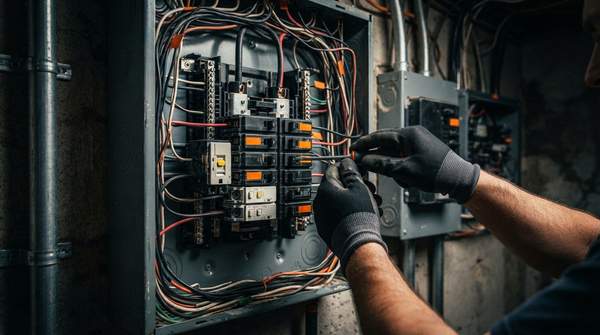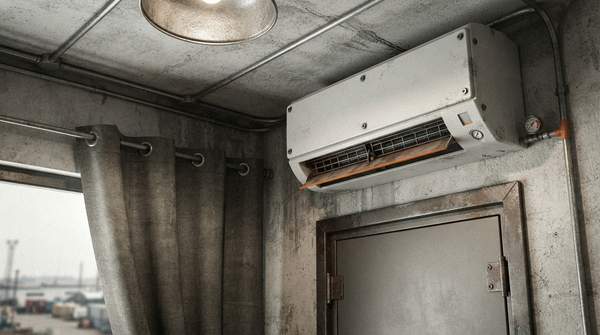
A small, focused toolkit of five hand tools covers the most common homeowner HVAC jobs: filter changes, coil cleaning, condensate drain clearing, thermostat verification, and basic electrical checks. According to Jameson Heating & Air, a six-tool kit handles tasks that together account for roughly 80 percent of the routine maintenance a residential HVAC system needs between professional service visits. The one hard rule that applies to nearly every task: shut off power at the breaker before any electrical testing or panel work.
Your Essential Homeowner HVAC Toolkit
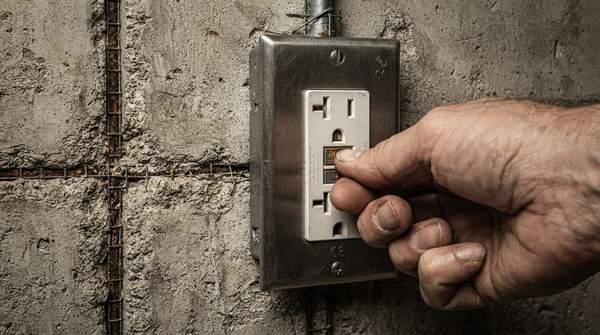
The core kit is deliberately modest. It centers on a digital multimeter, which Jameson Heating & Air calls the single most useful electrical diagnostic tool a homeowner can own. A basic $30 to $60 multimeter lets you test thermostat batteries and voltage, check continuity in blown fuses, verify that a breaker is delivering power, and confirm capacitor readings on de-energized systems.
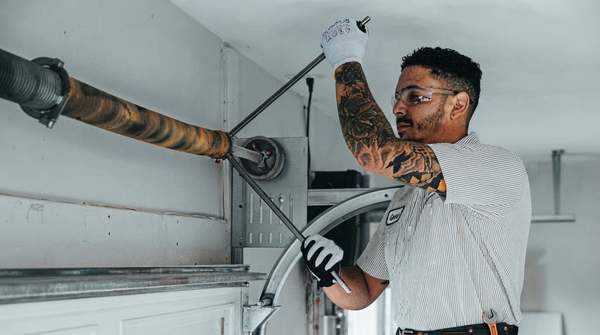
The rest of the kit is ordinary hand hardware. Davis Air Conditioning / Heating recommends adjustable wrenches for tightening electrical connections, a screwdriver set with both flathead and Phillips heads for panel removal and electrical terminals, and needle-nose pliers for thermostat wiring and confined spaces. Add work gloves and safety glasses: gloves protect hands from sharp metal edges and hot surfaces, while glasses shield eyes from debris during coil cleaning and filter changes. Non-conductive gloves rated for electrical work add protection near components even when power is disconnected.
When choosing a multimeter, focus on the functions you will actually use. TechGearLab's testing found that common models include diode, resistance, and audible continuity checks, with several also measuring capacitance. A non-contact live wire detection feature, available on some meters, is useful for verifying you have flipped the correct breaker off before working.
Essential HVAC Tools for Homeowners: A Comparative Guide
The table below maps each tool to its function, the homeowner tasks it enables, and the safety note that governs its use. Use it as a shopping list and a pre-task safety check.
| Tool | Primary Function | Common Homeowner Tasks | Key Safety Note |
|---|---|---|---|
| Digital Multimeter | Measures voltage, continuity, and resistance; some models add capacitance | Thermostat battery and voltage checks, fuse continuity, breaker power verification, capacitor readings | Shut off power at the breaker before opening panels; use probes with proper insulation and keep fingers behind the guards |
| Screwdriver Set (Multi-bit) | Fastens and unfastens various screw types and sizes | Removing access panels, tightening loose electrical connections, securing components | Ensure power is disconnected before working on any electrical connections |
| Needle-nose Pliers | Precision grip for small parts and tight spaces | Thermostat wiring, retrieving dropped screws, handling wires during control board checks | Always ensure power is off when handling electrical wires or components |
| Adjustable Wrench | Tightens or loosens nuts and bolts of various sizes, eliminating multiple fixed wrenches | Tightening electrical connections and securing fittings | Do not use on refrigerant line fittings; refrigerant work requires an EPA Section 608 certified technician |
| Work Gloves & Safety Glasses | Protects hands from sharp edges and hot surfaces; shields eyes from debris | Coil cleaning, filter changes, any work near electrical components | Use non-conductive gloves rated for electrical work near components, even with power disconnected |
One boundary on the multimeter itself: professional-grade functions such as motor amp draw checks, which require a clamp meter, and DC microamp flame sensor testing are typically beyond homeowner scope. A homeowner's meter needs AC/DC voltage, continuity, and optionally capacitance; there is no reason to pay for professional features you will not safely use.