AllTradesJournal
TradesServicesTools & EquipmentHow-ToProjects
AllTradesJournal

The definitive source for trades, services, and DIY.

DiyHome RepairVocational TrainingHome MaintenanceCorrosion ProtectionVehicle SafetyHome ImprovementMarket Growth

Sections

  • Trades
  • Services
  • Tools & Equipment
  • How-To
  • Projects

More

  • Industry
  • Safety
  • Materials
  • Automotive Services
  • Writers

About AllTradesJournal

AllTradesJournal.com delivers the latest news, how-to guides, and industry insights for professionals and enthusiasts in the trades, services, and DIY sectors. We cover everything from tools and techniques to safety and automotive services.

  • Contact
  • Privacy Policy
  • Terms of Service

© 2026 AllTradesJournal. All rights reserved.

  1. Home
  2. /How-To
  3. /How to Find and Fix Common Plumbing Leaks: A DIY Guide
How-To

How to Find and Fix Common Plumbing Leaks: A DIY Guide

A single leaky faucet dripping at just one drip per second can waste over 3,000 gallons of water annually, according to Waterandsewer .

SR
Scott Ramirez

August 18, 2026 · 3 min read

Homeowner's hands carefully inspecting a dripping pipe under a sink with a flashlight, symbolizing DIY leak detection and repair.

A single leaky faucet dripping at just one drip per second can waste over 3,000 gallons of water annually, according to Waterandsewer. This hidden waste costs homeowners hundreds of dollars each year and exacerbates water scarcity. Minor, often unseen leaks silently deplete thousands of gallons of water and significant money, but simple, free detection methods remain widely underutilized by homeowners. Empowering homeowners with basic leak detection knowledge will lead to substantial collective water conservation and personal financial savings, shifting from reactive costly repairs to proactive maintenance.

The Hidden Cost of a Drip

Fixing household leaks can cut water bills by about 10%, according to Waterandsewer. This financial incentive alone makes proactive detection a smart move. Companies and municipalities promoting water conservation should shift focus. Instead of broad awareness campaigns, they must empower homeowners with specific, easy-to-implement DIY leak detection methods. This direct approach offers immediate, tangible savings.

Your DIY Guide to Finding Leaks

To find leaks, homeowners can shut off all water inside the home and check their water meter dial for movement, a method suggested by Justplumbingaz. If the dial continues to move, a leak exists somewhere within the property. This straightforward test requires no specialized equipment and offers immediate insight.

Monitor your water meter before and after a two-hour period with no water usage. Any change indicates a leak, confirms Waterandsewer. Complement this by listening for faint sounds of running water when all appliances and taps are shut off, advises Justplumbingaz. These combined techniques empower you to pinpoint leaks without professional help, often before they become major problems.

When to Call a Pro: Serious Leaks and Low Pressure

Dripping from pipes inside walls or ceilings demands immediate attention. This is a serious issue, often requiring a professional plumber and immediate main water valve shutdown, states Nationwide. Such hidden leaks cause extensive property damage if ignored. Similarly, low water pressure throughout the entire home points to a larger plumbing problem, though localized issues might stem from clogged faucet aerators. These are not DIY fixes; they require expert intervention.
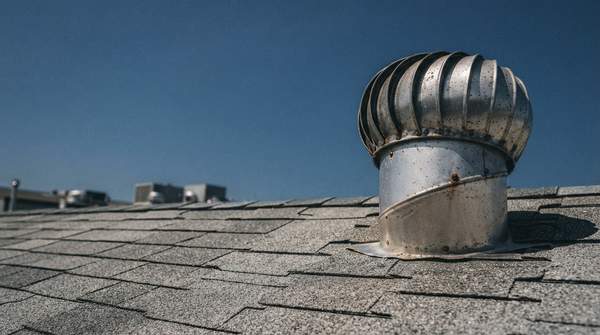
Professionals employ advanced methods for complex leak detection. Infrared technology identifies unusual temperature differences caused by moisture, while acoustic detection uses sensitive microphones to pinpoint the sound of escaping pressurized water, both detailed by Justplumbingaz. These technologies are crucial for locating unseen leaks that simple methods cannot find. Ignoring these deeper issues can lead to severe property damage, necessitating specialized detection and repair.

Simple Fixes and Preventative Measures

Vinegar can help remove mineral deposits. These deposits cause sediment buildup and corrosion in faucets, as noted by Polestar Comfort. Regularly cleaning faucet aerators and showerheads with vinegar can prevent common drips. This simple maintenance extends the life of your plumbing fixtures and maintains water flow.

For minor faucet leaks, replace a worn-out washer or O-ring. These inexpensive components are readily available at hardware stores. This simple, proactive fix prevents escalation, saving both money and water.

Frequently Asked Questions About Leaks

What are the most common plumbing leaks?

The most common plumbing leaks include dripping faucets, leaky toilets, and corroded pipes under sinks. Toilet leaks are often silent and can be detected by adding food coloring to the tank and checking the bowl after 15 minutes without flushing.

How do I know if I have a hidden plumbing leak?

You can identify a hidden leak by monitoring your water meter. Ensure all water-using appliances are off, then record the meter reading. Check the meter again after two hours; any change indicates a leak. Another sign is an unexplained spike in your water bill.

Can I get financial relief for a discovered leak?

Customers have 30 days from the time a leak is discovered to submit a request and supporting documents for abatement, according to Waterandsewer. Understanding local water utility policies regarding leak adjustments can help homeowners mitigate the financial impact of unexpected water loss. Many homeowners likely miss out on financial relief because they are not equipped to identify 'silent' problems within this required timeframe.

Don't Let a Drip Drain Your Wallet

By Q4 2026, if homeowners consistently leverage these simple detection methods, collective utility cost savings could reach millions of dollars. This shift would directly benefit local water authorities like Springfield Water and Sewer. Empowering every homeowner with these tools appears crucial for a more sustainable and cost-effective future.

Related Coverage from How-To

  • Common Plumbing Mistakes DIYers Make and How to Fix Them
  • How to Perform DIY HVAC System Maintenance and Diagnosis

Tags

PlumbingDiyHome RepairLeak DetectionWater ConservationHome Maintenance
SR

Scott Ramirez

How-To Specialist

Scott Ramirez is the How-To Specialist at AllTradesJournal, where he covers DIY projects, home improvement, and tool reviews. He focuses on creating clear, step-by-step guides that make complex carpentry, plumbing, and electrical tasks accessible to everyone.

More from How-To

A homeowner performing routine maintenance on their home's HVAC system, emphasizing safety and cost-saving benefits.

How to Perform DIY HVAC System Maintenance and Diagnosis

A single misstep in attempting to fix your air conditioner could void its warranty or even your home insurance policy, turning a cost-saving effort into a major financial setback.

Scott Ramirez· Aug 17
Skilled hands precisely cutting a strong wood joint, showcasing craftsmanship in a woodworking workshop setting.

Essential Wood Joinery Techniques for DIY Projects

A basic butt joint, easily secured with screws, nails, or glue, is universally considered the weakest wood joint, often leading to premature project failure if used in structural applications.

Scott Ramirez· Aug 16
A homeowner overwhelmed by water damage from a DIY plumbing repair gone wrong, highlighting the risks of unlicensed work.

Common Plumbing Mistakes DIYers Make and How to Fix Them

A homeowner attempting to fix a leaky faucet might save $100 on a plumber, only to face a $10,000 insurance claim denial for water damage caused by their unlicensed work.

Scott Ramirez· Aug 16
Split image comparing a homeowner saving money with essential DIY tools versus a homeowner overwhelmed by the cost of excessive, unused tools.

DIY Home Maintenance: Save Money or Pay More? Pros and Cons.

Many homeowners are overspending on tools for DIY projects because they are buying more than they actually need, often driven by the allure of self-reliance rather than practical necessity.

Scott Ramirez· Aug 15

Trending Now

1
A modern DIY workshop showcasing a variety of eco-friendly and refurbished power tools alongside green plants, emphasizing sustainability in home improvement.

Eco-Friendly Tools Fuel Sustainable DIY Culture's Market Shift

Industry· 26 views
2
A smiling cleaner uses eco-friendly products in a bright, modern office with plants, highlighting Class A Clean's sustainable services.

Class A Clean expands eco-friendly commercial and residential services

Services· 3 views
3
A human engineer collaborating with a sophisticated AI agent on a holographic interface, overseeing automated industrial processes on a factory floor.

AI agent speeds PLC programming, but engineers still manage its work

Industry· 5 views
4
A large, modern bridge made of FRP composites stands tall against a dramatic, stormy sky, symbolizing strength and potential challenges.

FRP Composites: What They Are and Their Long-Term Challenges

Materials· 5 views
5
Auto repair technician calibrating advanced driver-assistance systems (ADAS) on an electric vehicle in a modern shop.

EV and ADAS tech: A growing opportunity for repair shops

Automotive Services· 5 views
6
Mechanic's hands precisely pouring golden transmission fluid into a car's transmission dipstick in a professional auto repair shop.

What Are Transmission Fluids? Types, Functions, and Maintenance

Automotive Services· 4 views