The global industrial fasteners market is projected to grow to USD 115.67 billion by 2032, with new research attributing the expansion to trends in the manufacturing, automotive, and construction sectors.
This forecast suggests a period of steady demand for the essential components that hold together everything from vehicles to skyscrapers. According to a report from openpr.com, the market is expected to expand from a 2025 value of USD 91.04 billion, reflecting a compound annual growth rate (CAGR) of 3.48% over the forecast period. For tradespeople on the ground, this data points toward continued activity in key industrial and construction verticals that rely heavily on a secure and evolving supply of high-quality fasteners.
What We Know So Far
- The industrial fasteners market is projected to grow from USD 91.04 billion in 2025 to USD 115.67 billion by 2032, according to data published by openpr.com.
- The forecast indicates a compound annual growth rate (CAGR) of 3.48% for the market between 2025 and 2032, the report states.
- Growth is reportedly driven by a rising automotive sector, increasing infrastructure investments, and advancements in manufacturing technologies.
- By material, the plastic fastener segment accounted for the second-largest market share in 2024, according to the same research.
- The bolts segment is expected to see the highest growth rate among fastener types during the forecast period.
- Separately, Teks Industries has reported aims to expand within the high-end metal roofing fastener market, as noted by bitget.com.
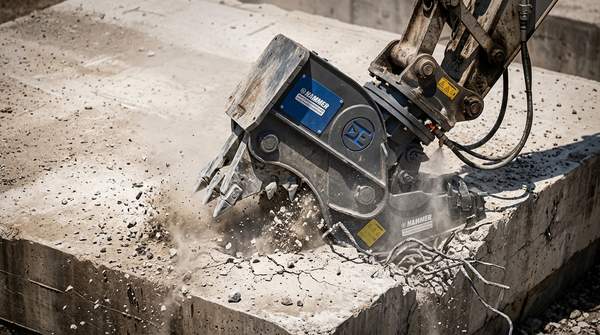
Industrial Fasteners Market Growth Forecast 2032
The newly released market projection provides a detailed financial outlook for the industrial fasteners sector. The data indicates a valuation of USD 91.04 billion in 2025, serving as a baseline for the forecast period. The projected increase to USD 115.67 billion by 2032 represents a total growth of over USD 24 billion in seven years. This expansion is quantified by a 3.48% CAGR, a metric that suggests consistent, moderate growth rather than a sudden market surge.
From my perspective in the field, these numbers translate directly to the job site and the factory floor. Industrial fasteners are the unsung heroes of nearly every major project. They include a vast range of products such as bolts, nuts, screws, rivets, and washers, each engineered for specific materials, load requirements, and environmental conditions. A projected market expansion of this scale suggests that the industries consuming these products are also expected to remain active. Whether it's the specialized, high-tensile bolts used in steel-frame construction or the millions of precision screws required for automotive assembly lines, the demand for these components is a direct reflection of broader economic and industrial health.
Key Drivers of Industrial Fasteners Market Expansion
The research from openpr.com identifies three primary forces behind the market's projected growth: the automotive sector, infrastructure investment, and manufacturing technology. The automotive industry is a massive consumer of fasteners. A single modern vehicle can contain thousands of them, from engine block bolts engineered to withstand extreme heat and pressure to specialized clips and rivets used in interior trim. As vehicle manufacturing evolves with electric vehicles (EVs) and lighter materials, the demand for innovative and specialized fasteners—such as those compatible with composites and aluminum alloys—is also expected to rise.
Growing infrastructure investments represent another critical driver. Public and private spending on bridges, tunnels, railways, and commercial buildings fuels a significant need for structural bolts and other heavy-duty fasteners. These are not your hardware store variety; they are highly engineered components that must meet stringent safety and performance standards. The report also highlights the "new energy" segment as having the highest expected growth rate by application. This points to the construction of wind turbines, solar panel arrays, and other renewable energy infrastructure, all of which are fastener-intensive projects requiring components that can endure decades of outdoor exposure.
Finally, advancements in manufacturing technology itself are contributing to market growth. Automation, robotics, and sophisticated assembly processes demand fasteners with tighter tolerances and greater consistency. As factories become smarter and more efficient, the components they use must keep pace. This creates opportunities for manufacturers to develop and supply high-performance fasteners that can be used in automated systems without causing delays or defects, a trend that aligns with the broader move toward agentic AI and automation in the trades.
How Manufacturing & Construction Trends Impact Fasteners
The market analysis also breaks down growth trends by specific fastener types and materials. According to the report, the bolts segment is anticipated to have the highest growth rate during the forecast period. This is significant because bolts are fundamental to nearly all heavy construction and industrial machinery assembly. Their projected growth reinforces the importance of the infrastructure and manufacturing drivers.
In terms of materials, the finding that the plastic segment held the second-largest market share in 2024 is noteworthy. While metal fasteners dominate in strength-critical applications, engineered plastics offer advantages in weight reduction, corrosion resistance, and electrical insulation. They are increasingly used in automotive interiors, electronics, and medical devices. This trend highlights a diversification in the materials used to hold things together, moving beyond traditional steel and iron.
Specific construction niches are also seeing focused activity. Reports indicate growth trends in the metal roofing fastener market, particularly for high-end standing seam systems. These systems require specialized clips and screws that allow for thermal expansion and contraction of the metal panels, a far more complex job than simply driving a screw. Companies like Teks Industries have stated aims to expand in this high-end segment, suggesting a focus on value-added, specialized products within the broader construction market. This is a classic example of how a seemingly simple component becomes a critical piece of a complex building system, a decision that often falls into the DIY vs. professional choice for installers.
What We Know About Next Steps
The available information primarily outlines a market forecast extending through 2032. The report from openpr.com provides a long-term analytical view based on current data and identified trends. There are no official regulatory changes or specific policy deadlines mentioned in the source material that would serve as immediate next steps for the industry.
The stated business objectives of individual companies, such as the reported aim of Teks Industries to expand its market share in high-end metal roofing fasteners, represent the forward-looking actions of market participants. The forecast itself serves as a planning resource for stakeholders, from raw material suppliers to fastener manufacturers and the end-users in the trades, as they navigate the coming years.


