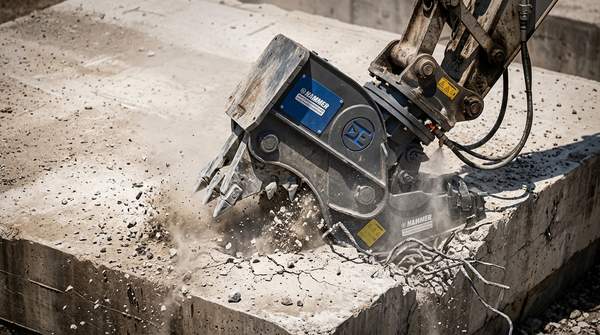
For decades, construction robots were more novelty than necessity. Today, their impact on project success measurably shifts foundational industry practices. Advanced automation in construction and woodworking moves beyond experimental phases, actively demonstrating consistent results across varied projects. This capability demands a substantial re-evaluation of traditional methodologies.
Construction and woodworking historically relied on manual labor and established techniques. Now, robotic and laser systems deliver unprecedented efficiency and precision. This tension between ingrained practices and new capabilities defines the current industry climate. Firms must choose: maintain conventional workflows or invest in automation for higher output and reduced errors.
Accelerating technological advancements and changing success metrics mean widespread integration of robotics and laser technology into construction and woodworking will redefine industry benchmarks for productivity and quality. Automated systems are not merely supplementary tools; they are core components of successful operations, especially as 2026 unfolds.
From Novelty to Necessity: The Technological Leap
In 2026, construction robots shifted from experimental tools to essential assets, driven by specific technological improvements. The success of construction robots is beginning to change, according to Construction Dive. This change stems from improved artificial intelligence, sophisticated sensor technology, and enhanced precision mechanics. These advancements transformed robotic systems, making them capable of complex tasks with greater accuracy and speed.
Modern AI algorithms allow robots to adapt to dynamic jobsite conditions, learning from environments and optimizing movements. Sensor technology, including advanced LiDAR and vision systems, provides real-time data, enabling robots to navigate safely and execute intricate operations. Precision mechanics refined robotic manipulators, granting them dexterity for detailed woodworking or complex structural assembly. Modern AI algorithms, sophisticated sensor technology, and precision mechanics elevate robots from simple automated machines to intelligent, adaptable workers.
Construction Dive observes 'the success of construction robots is beginning to change.' Companies clinging to manual-only processes are not just falling behind; they jeopardize long-term economic survival. Automated systems now handle tasks once exclusive to skilled human labor, from intricate laser cutting for bespoke furniture to large-scale robotic bricklaying. This technological leap makes the argument for automation increasingly compelling.