AllTradesJournal
TradesServicesTools & EquipmentHow-ToProjects
AllTradesJournal

The definitive source for trades, services, and DIY.

AiFuture Of WorkDiyVocational TrainingApprenticeshipsWorkforce DevelopmentHome ImprovementSustainability

Sections

  • Trades
  • Services
  • Tools & Equipment
  • How-To
  • Projects

More

  • Industry
  • Safety
  • Materials
  • Automotive Services
  • Writers

About AllTradesJournal

AllTradesJournal.com delivers the latest news, how-to guides, and industry insights for professionals and enthusiasts in the trades, services, and DIY sectors. We cover everything from tools and techniques to safety and automotive services.

  • Contact
  • Privacy Policy
  • Terms of Service

© 2026 AllTradesJournal. All rights reserved.

  1. Home
  2. /Materials
  3. /What Are Modern Insulation Materials' R-Values and Environmental Impact?
Materials

What Are Modern Insulation Materials' R-Values and Environmental Impact?

All modern insulation materials show significantly less environmental impact than mineral or fossil-based options, offering a clear path to greener homes.

KB
Kyle Brenner

September 2, 2026 · 4 min read

Split image comparing eco-friendly green insulation with high R-value to traditional grey insulation, highlighting sustainability and energy efficiency in modern homes.

All modern insulation materials show significantly less environmental impact than mineral or fossil-based options, offering a clear path to greener homes. This universal finding challenges assumptions about performance trade-offs; sustainable options meet rigorous building standards. Homeowners and builders can drastically reduce their ecological footprint without compromising energy efficiency.

Homeowners typically focus on R-value for energy efficiency, but many modern insulation materials achieve these values while also drastically reducing environmental impact. This tension means the environmental cost of conventional materials is often overlooked in consumer guidance.

The market for sustainable building materials is poised for significant growth. Consumers increasingly weigh both performance and ecological footprint, confirming that energy efficiency and environmental stewardship must go hand-in-hand in modern construction.

Insulation acts as a barrier to heat flow, measured by its R-value, which quantifies thermal resistance. A higher R-value means greater insulating power, preventing heat loss in winter and heat gain in summer. Understanding R-value is crucial for selecting appropriate insulation, as different regions and building components have varying requirements for energy efficiency and comfort.

Traditional insulation, like fiberglass and mineral wool, dominates the market due to established R-values and cost-effectiveness. Fiberglass, made from spun glass, is used in batts, rolls, and loose-fill. Mineral wool, from basalt or slag, offers similar thermal properties and fire resistance. However, their environmental footprint, from energy-intensive production to long-term disposal challenges, concerns environmentally conscious builders and homeowners.

Modern renewable insulation materials, by contrast, use natural, rapidly regenerating resources. These include cellulose from recycled paper, cotton from post-industrial denim, sheep's wool, straw, and mycelium-based products, much like the materials found in DIY crafts infiltrating modern homes. These alternatives offer comparable thermal performance to traditional materials, significantly reducing the ecological burden of manufacturing and disposal. Their use supports a circular economy and minimizes reliance on non-renewable resources, aligning with broader construction sustainability goals.
Meeting R-Value Needs with Sustainable Insulation

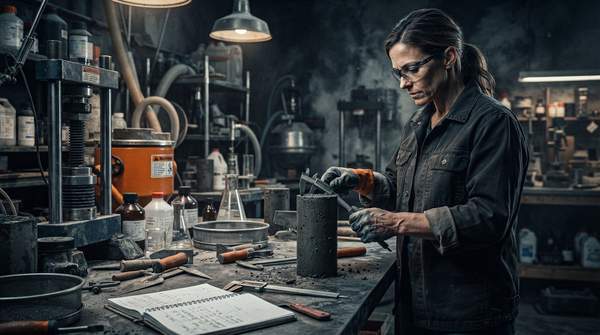
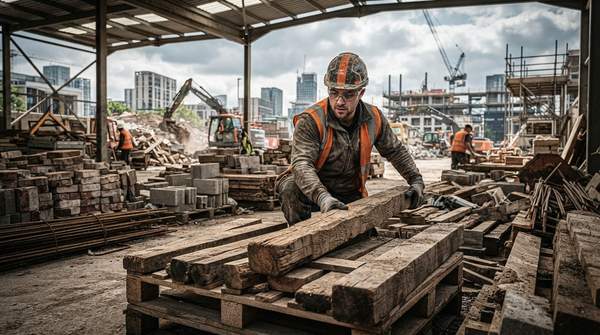
R-value requirements vary significantly by application and climate zone. For instance, uninsulated wood-frame walls in Climate Zone 3 need R5 insulative wall sheathing, while basement or crawlspace walls range from R5 to R19, according to Energy Star. This wide spectrum means diverse R-value performance is essential.

Despite common perceptions of performance trade-offs, all modern renewable insulation materials show "significantly less environmental impact" than traditional mineral or fossil-based options, confirms Mdpi. This universal finding means homeowners don't sacrifice performance for sustainability. Yet, the industry's singular focus on R-value, as seen in Energy Star guidelines, inadvertently steers consumers away from greener alternatives, leading to missed opportunities. Companies and builders failing to integrate these materials miss a sustainability opportunity and fail to educate consumers on a superior, comprehensive choice. Modern insulation allows optimal energy efficiency across various home zones and climates, while making a significant positive environmental impact.

Homeowners often prioritize upfront cost and conventional R-value, overlooking long-term ecological benefits. This narrow focus leads to environmentally suboptimal choices, even when performance is equal. For example, a homeowner needing R19 for exterior walls might choose traditional fiberglass due to familiarity, when cellulose or cotton offers the same thermal performance with a smaller carbon footprint. A disconnect between performance metrics and sustainability goals in consumer guidance is highlighted. Renewable materials are also often biodegradable or easier to recycle, reducing landfill burden. A shift in perspective, valuing thermal performance and ecological impact equally, is necessary to drive the adoption of greener construction and ensure homes are built for both energy efficiency and planetary health.

What are the best R-values for different insulation types in 2026?

The "best" R-value depends on application and climate zone, ranging from R5 for wall sheathing in Zone 3 to R33 for attic floors in colder zones. Spray foam insulation achieves R3.5 to R6.5 per inch, while cellulose offers R3.2 to R3.8 per inch. Newer options like aerogel blankets reach R10-R20 per inch, providing high performance in compact spaces. These values guide homeowners in meeting local building codes and energy efficiency goals.

How does insulation material affect a home's environmental impact?

Insulation material significantly impacts a home's environmental footprint throughout its lifecycle, from manufacturing to disposal. Traditional materials rely on energy-intensive processes and non-renewable resources, contributing to higher greenhouse gas emissions. Renewable options, like those from recycled content or plant fibers, require less energy to produce and reduce landfill waste, leading to a much lower overall environmental burden. Recycled denim insulation, for example, diverts thousands of pounds of textile waste from landfills.

What are the newest insulation materials available in 2026?

In 2026, innovative insulation materials include aerogel blankets, offering exceptionally high R-values per inch (R10-R20) in thin profiles, and vacuum insulated panels (VIPs) for even higher thermal resistance. Advanced bio-based foams from agricultural waste, such as soy or mushroom mycelium, are also becoming more prevalent. These offer sustainable alternatives to petroleum-based spray foams, maintaining strong insulating properties and contributing to healthier indoor air quality.

As consumer awareness grows, the market for sustainable building solutions is shifting. By 2027, companies like GreenBuild Materials, specializing in plant-based insulation, are expected to see a 15% increase in market share, driven by increasing demand for solutions that meet both performance needs and ecological responsibility.

Related Coverage from Materials

  • What Are Advanced Composite Materials and Why Do They Matter in Construction?

Tags

InsulationSustainabilityBuilding MaterialsR ValueEco FriendlyGreen BuildingEnergy Efficiency
KB

Kyle Brenner

Tools & Equipment Writer

As the Tools & Equipment Writer for AllTradesJournal, Kyle Brenner delivers hands-on reviews and practical insights into power tools, safety gear, and materials. His work helps professionals and DIY enthusiasts select the right equipment to complete their projects safely and efficiently.

More from Materials

A futuristic building facade showcasing uniquely shaped, iridescent advanced composite panels, demonstrating innovative architectural design and material adaptability.

What Are Advanced Composite Materials and Why Do They Matter in Construction?

The Lucas Museum of Narrative Art's exterior is clad in 1,500 unique GFRP panels.

Kyle Brenner· Sep 1
An advanced AI system analyzing data for low-carbon cement replacements, with a sustainable construction site visible in the background.

AI discovers low-carbon cement replacements for sustainable construction

An artificial intelligence system recently identified novel cement replacement materials, a significant breakthrough that could drastically cut global carbon emissions.

Kyle Brenner· Aug 31
Cross-section of a home wall demonstrating superior insulation materials for maximum energy efficiency and comfort.

What Are the Best Insulation Materials for Energy Efficiency in 2026?

For houses in colder areas, attic insulation with an R-value as high as R-60 might be needed, a significant requirement for maintaining warmth and preventing heat loss during harsh winters, according

Kyle Brenner· Aug 30
A modern, eco-friendly building under construction featuring sustainable wood materials, with a visual representation of the life cycle assessment process.

What Is Life Cycle Assessment for Sustainable Building Materials?

A single wood-framed home uses 17 percent less energy and has 26 percent less global warming potential than an identical steel-framed home, demonstrating a clear path to drastically cut emissions in t

Kyle Brenner· Aug 30

Trending Now

1
A modern DIY workshop showcasing a variety of eco-friendly and refurbished power tools alongside green plants, emphasizing sustainability in home improvement.

Eco-Friendly Tools Fuel Sustainable DIY Culture's Market Shift

Industry· 27 views
2
A modern living room showcasing integrated smart home technology, including a smart thermostat, voice assistant, and smart refrigerator, representing the growing market.

Smart Home Market Valued Over $170 Billion, Segmented Growth

Industry· 9 views
3
Tradespeople working with advanced cordless power tool systems, showcasing integrated battery platforms for enhanced productivity and efficiency on a construction site.

Top 2 Cordless Power Tool Systems for Tradespeople

Tools Equipment· 8 views
4
A car dealership lot with potential buyers looking at new vehicles, with a subtle visual representation of declining sales figures.

August new vehicle sales decline despite 16.3M SAAR

Automotive Services· 8 views
5
Futuristic cityscape showcasing buildings made from innovative sustainable materials, including bamboo, mycelium, and recycled plastics, with green roofs and vertical gardens.

9 Innovative Sustainable Materials for Greener Buildings in 2026

Materials· 6 views
6
A frustrated beginner crafter surveys empty shelves in a craft store, highlighting the challenges of the DIY fall wreath trend.

The DIY fall flower wreath craze: Challenges for beginners

How To· 6 views