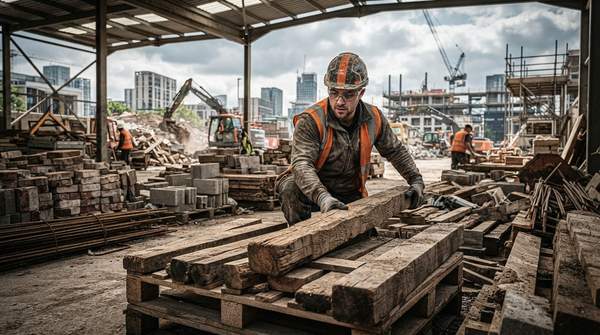
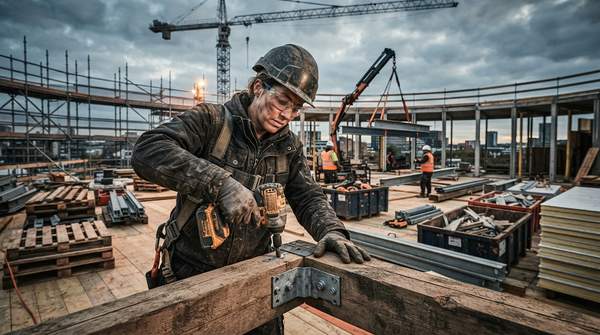
Prefabrication alone reduces construction waste by up to 83.2%, a tangible benefit of sustainable building practices, per SFS USA. This efficiency directly impacts project timelines and disposal costs, offering a clear advantage for modern construction. The measurable impact of sustainable methods for eco-conscious construction is underscored by such gains.
Many view sustainable materials as a premium, complex choice, assuming higher upfront costs and intricate implementation. Yet, accessible tools now provide clear, data-driven evidence of their superior long-term environmental and economic value. This tension between perceived complexity and demonstrable benefit defines a central industry challenge.
The increasing availability and adoption of sophisticated measurement tools will accelerate the mainstream integration of sustainable building materials. This will fundamentally reshape industry standards and procurement. These tools offer transparency and verifiable data, shifting material selection from qualitative assessments to quantitative mandates.
Why Sustainable Materials Are Essential
Sustainable construction materials cut emissions, support circular economies, and offer long-term economic and environmental benefits, per Accacia. Projects using these materials minimize carbon footprint and conserve resources. Beyond environmental stewardship, they present compelling financial advantages over a structure's lifespan.
The comprehensive benefits make them a critical choice for any project aiming for long-term environmental and economic viability. Projects often see reduced operational costs through improved energy efficiency and enhanced durability. This translates to better asset value and lower maintenance over decades.
Sustainable materials also foster healthier indoor environments, leading to increased productivity and well-being. This human-centric benefit, combined with financial and environmental gains, positions sustainable materials as an indispensable component of modern, responsible construction.

Quantifying Impact with Life Cycle Assessments
The Metal Construction Association (MCA) commissioned a Life Cycle Assessment (LCA) to calculate the average environmental impacts of building envelope products from its member companies, per the Metal Construction Association. This initiative provides a scientific basis for understanding the environmental footprint of specific construction components. Detailed assessments offer transparency for informed material selection.
The LCA report collected primary data from MCA members on five manufacturing processes for three key products: steel Insulated Metal Panels (IMP), aluminum Metal Composite Material (MCM) Panels, and steel roll-formed claddings. This granular data collection accurately represents environmental performance across different metal building materials. It moves beyond generic assumptions, providing verifiable metrics. The combination of these specific product types and detailed process data ensures a robust and representative environmental profile for metal construction materials.
LCAs provide a detailed, data-driven approach to understanding the true environmental footprint of specific building products, moving beyond general assumptions. This methodological rigor helps designers and builders make choices based on quantifiable impacts, not broad sustainability claims. The specific, verifiable environmental data now available through industry-commissioned LCAs, such as the MCA's, dismantles the perception that sustainable building materials are a premium choice, instead revealing them as the only economically and environmentally rational option for long-term construction projects.
The EC3 Tool: Measuring Embodied Carbon
The EC3 tool uses building material quantities from construction estimates or BIM models and a database of digital, third-party verified Environmental Product Declarations (EPDs), per the Carbon Leadership Forum. This combination allows precise calculation of embodied carbon. The tool integrates environmental considerations directly into project planning.
EC3 can be implemented in design and procurement to assess a project's embodied carbon emissions and enable low-carbon options. By providing actionable data early, it guides decisions that significantly reduce a building's overall environmental impact. This proactive approach embeds sustainability from inception, not as an afterthought.
The EC3 tool empowers designers and procurers with actionable data for informed, low-carbon material choices early in the project lifecycle. Its capacity to influence design, procurement, and even empower policymakers to set EPD requirements suggests a coming regulatory and market convergence. This will make low-carbon material specification a non-negotiable standard, not a niche choice. A significant shift from qualitative preferences to quantitative mandates in sustainable construction is marked by this.
Driving Benchmarking and Policy with Data
Results from comprehensive assessments, like the MCA's LCA, are for environmental benchmarking and decision-making by MCA member companies, architects, designers, and the broader construction community, per the Metal Construction Association. This widespread applicability standardizes environmental performance metrics across the industry. It fosters a common understanding of material impacts.
Robust environmental data is crucial for industry-wide transparency and guiding strategic decisions toward sustainable practices. Such data allows meaningful comparisons between materials and suppliers, promoting competition in environmental performance. This pushes manufacturers to innovate and reduce product embodied carbon.
The combination of industry-specific LCAs, like MCA's for metal products, and project-level tools, such as EC3, creates a powerful, data-driven ecosystem. This system moves sustainable material selection from qualitative preference to quantitative mandate, standardizing environmental performance measurement in construction. Companies failing to integrate data-driven tools like the EC3 calculator into their design and procurement processes risk future regulatory non-compliance and economic inefficiency as low-carbon mandates become standard.
Actionable Steps for Sustainable Construction
The EC3 tool allows owners, green building certification programs, and policymakers to assess supply chain data to create EPD requirements and set embodied carbon limits, per the Carbon Leadership Forum. This functionality extends beyond design, offering a direct pathway to regulatory influence. It transforms data into a powerful lever for systemic change.
Stakeholders should actively use tools like EC3 to inform policy, set standards, and drive low-carbon material adoption across the supply chain. Policymakers, in particular, can leverage this data to implement mandatory EPD reporting and carbon caps, accelerating the transition to more sustainable construction practices. This direct application of data in policy development is critical for industry-wide decarbonization.
Architects and developers can integrate EC3 into their early design phases to explore different material scenarios and optimize for minimal embodied carbon. This proactive approach ensures sustainability is an inherent part of the project's economic and environmental strategy. Prioritizing low-carbon options from the outset achieves significant reductions in overall environmental footprint. This early integration not only secures environmental benefits but also positions projects for enhanced marketability and long-term resilience in a carbon-conscious economy.
Common Questions About Advanced Materials
What are the most sustainable building materials?
The most sustainable building materials often include rapidly renewable resources like bamboo, recycled content materials such as steel and concrete, and locally sourced options to reduce transportation emissions. Materials with low embodied energy and those that can be reused or recycled at the end of their life cycle also rank highly. Smart and adaptive materials, which can increase a structure's efficiency and extend its lifespan by responding to environmental changes, also represent a significant advancement in sustainable options, according to SFS USA.
How to choose eco-friendly construction materials?
To choose eco-friendly construction materials, prioritize those with third-party verified Environmental Product Declarations (EPDs) that detail their life cycle impacts, including embodied carbon. Consider materials' durability, recyclability, and the proximity of their manufacturing to your project site. Utilizing tools like the EC3 calculator helps compare products based on their actual environmental data, rather than general claims, ensuring data-driven decisions.
What are the benefits of using sustainable building materials?
Using sustainable building materials offers numerous benefits, including reduced greenhouse gas emissions, lower operational costs through improved energy efficiency, and enhanced indoor air quality for occupants. These materials often lead to longer-lasting structures with less maintenance, contributing to greater asset value. Furthermore, they support circular economy principles by minimizing waste and preserving resources.omoting resource reuse.
As data-driven tools like EC3 become standard, the construction industry will likely face mandatory embodied carbon limits in building codes by late 2026, fundamentally shifting material selection toward verifiable environmental performance.