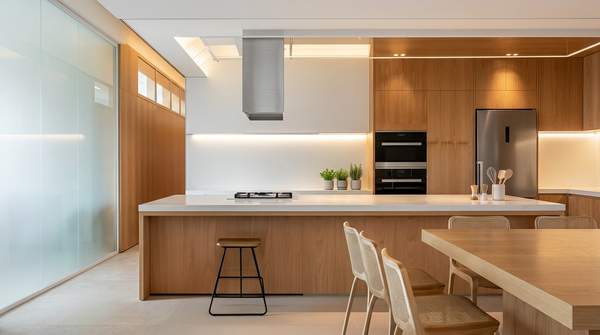
Green roofs alone can slash heat transfer through a building's top by 72%, offering a tangible, immediate benefit of sustainable design. The 72% reduction directly translates to lower cooling loads and improved indoor comfort, making structures more efficient. Such innovative applications provide clear operational advantages for facility managers and occupants.
Green construction materials offer substantial environmental and operational benefits. However, their higher upfront costs and complex evaluation processes slow adoption. This tension creates a significant hurdle for developers considering eco-friendly alternatives. Initial investment often overshadows long-term gains, despite clear evidence of efficiency.
Companies prioritizing short-term savings over long-term sustainability and efficiency will likely miss out on significant future value and regulatory advantages. This approach risks delaying crucial decisions that could unlock substantial savings and environmental improvements. Systemic barriers currently prevent broader industry investment.
What Are Green Construction Materials?
Green construction materials encompass products designed to reduce environmental impact throughout a building's lifecycle. These often feature reduced embodied energy, responsible sourcing, or enhanced durability. A ScienceDirect study compared basic housing units for two target groups, showing the broad applicability of these materials. This means green solutions extend beyond luxury projects to everyday construction needs.
Selecting these materials can significantly lower a structure's overall carbon footprint. The process considers renewability, recycled content, and local availability. Properly specified materials contribute to healthier indoor environments and reduced operational costs, offering a direct return on investment through occupant well-being and lower utility bills.
Beyond Energy: The Broader Impact of Sustainable Building
Beyond energy efficiency, green construction methods offer significant waste reduction benefits. Prefabrication and modular construction techniques can reduce construction waste by up to 83.2%. The 83.2% reduction in construction waste fundamentally improves resource efficiency on a project. Such efficiencies lead to fewer materials sent to landfills and optimized use of natural resources, minimizing ecological strain.
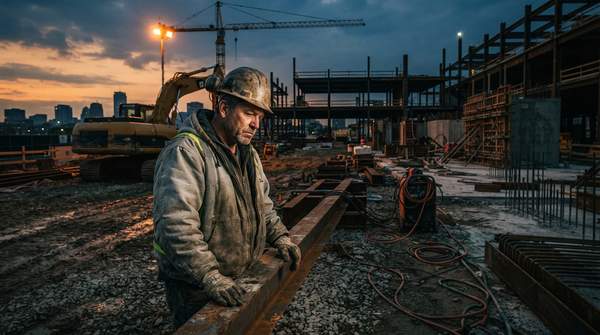
These construction approaches also streamline project timelines and enhance site safety. By shifting significant portions of work off-site, developers mitigate common risks associated with traditional construction. This method not only saves materials but also improves project predictability and quality control, leading to more reliable project delivery.
The Upfront Cost Challenge
Higher upfront costs remain a primary challenge for green construction material adoption, despite impressive operational and waste reduction benefits, according to Accacia. This initial investment hurdle often overshadows long-term savings. The immediate financial outlay frequently dictates material choices, even when lifecycle cost analyses clearly favor green options.
This reveals a critical disconnect within the construction industry, similar to the challenges faced in promoting sustainable luxury travel. Even with quantifiable long-term gains—like green roofs reducing heat flux by 72% and prefabrication cutting waste by 83.2%—the immediate financial barrier remains dominant. This prevents widespread investment in demonstrably effective solutions, slowing progress toward more sustainable practices and ultimately hindering market maturation.
Why Regional Availability Matters for True Sustainability
Limited availability of green materials in certain regions can increase costs and carbon footprint due to import needs, as noted by Accacia. The environmental benefits of green materials can be negated by the carbon footprint and cost associated with long-distance transportation. This creates an environmental paradox where the pursuit of 'green' inadvertently increases a project's carbon footprint.
Regional supply chain deficiencies are not just an economic hurdle; they represent a systemic challenge to achieving genuine sustainability. Developers without robust local green material networks face higher logistics costs and longer lead times. This forces a trade-off between environmental intent and practical project execution, often compromising project goals.
Assessing Environmental Impact: The LCA Dilemma
What are the most sustainable building materials?
The most sustainable building materials often include rapidly renewable resources like bamboo, recycled content materials such as reclaimed steel or plastic lumber, and locally sourced options like straw bales or rammed earth. Their sustainability is determined by factors like embodied energy, recyclability, and the environmental impact of their production and transportation, making a holistic view essential.
What is the environmental impact of building materials?
Building materials contribute to environmental impact through resource extraction, manufacturing emissions, transportation, and waste generation during construction and demolition. Traditional Life Cycle Assessment (LCA) methods, however, can be time, resource, and data-intensive, potentially leading to delayed assessments and reduced effectiveness, according to MIT CSHub. This inherent difficulty often delays critical sustainability decisions, undermining early-stage optimization.
How does durability affect the cost of sustainable building materials?
Durability significantly affects the long-term cost of sustainable building materials by reducing the need for frequent replacements and maintenance. While some durable green materials may have a higher upfront cost, their extended lifespan and reduced lifecycle costs often provide greater economic value over time. This longevity also minimizes waste and resource consumption associated with repairs and disposal, reinforcing their overall environmental and financial appeal.
The Future of Green Building: Early Assessment is Key
Companies failing to invest in streamlined Life Cycle Assessment (LCA) tools are effectively self-sabotaging, delaying the evaluations that could unlock significant long-term savings and justify higher upfront costs for green materials. Streamlined LCA allows assessments earlier in the building design process, when decisions have the greatest impact, according to MIT CSHub. Integrating such tools early is crucial for making informed, impactful decisions that maximize green construction benefits and accelerate project sustainability.
The impressive operational gains from solutions like green roofs and prefabrication reveal that the construction industry isn't lacking effective green technologies. Instead, it lacks the systemic infrastructure to make them accessible and financially viable. This gap requires focused efforts on developing regional supply chains and simplifying evaluation processes. By Q4 2026, the adoption of efficient LCA platforms by major developers could drive a 15% increase in green material specification for commercial projects, fundamentally shifting market dynamics and accelerating broader industry transformation.