USGBC Certifies 31 North American Stadiums for Sustainability

Levi’s Stadium, home to the San Francisco 49ers, achieved LEED Gold status in 2014.

LO
Luis Ortega

June 9, 2026 · 3 min read

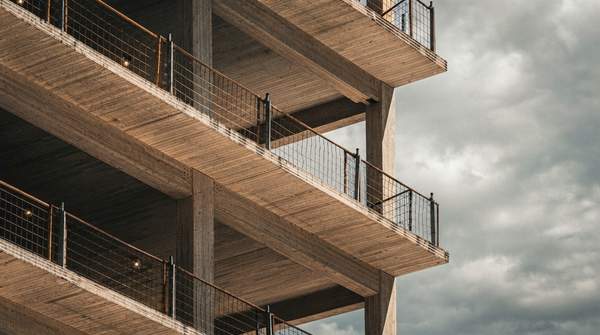
A modern, sustainable stadium with solar panels and green spaces, symbolizing environmental responsibility in the sports industry.

Levi’s Stadium, home to the San Francisco 49ers, achieved LEED Gold status in 2014, according to Facility Executive Magazine. This venue features 1,162 solar panels and a 7,500-square-foot rooftop garden called Faithful Farms. The integration of local food production within a major sports facility confirms a significant commitment to ecological sustainability beyond energy efficiency.

The U.S. Green Building Council (USGBC) recently launched an interactive map highlighting LEED- and TRUE-certified stadiums, according to Facility Executive Magazine. However, the map reveals only 31 LEED-certified venues across North America, as reported by Utility Dive. The limited count reveals that widespread sustainable transformation in the sports industry remains in its early stages.

While these showcased stadiums prove green design's feasibility, slow adoption suggests significant financial incentives and regulatory pressures are necessary to accelerate sports infrastructure greening. Estadio Banorte in Mexico, for instance, achieved LEED Platinum after a $159 million renovation, boasting an energy use intensity of 135.66 kilowatt hour/m2, according to Utility Dive. Such investment dictates the high standards for top-tier green building status.

Innovations Driving Green Stadium Certification

  • MetLife Stadium received Gold LEED certification in May 2026 for its energy conservation strategies, including on-site solar generation and LED lighting, according to Utility Dive.
  • Levi’s Stadium incorporates 1,162 solar panels, low-flow plumbing fixtures, and a 7,500-square-foot rooftop farm named Faithful Farms, Utility Dive reports.
  • BC Place in Vancouver features the world’s largest retractable roof, contributing to its Gold certification, as noted by Facilities Dive.
  • Estadio Banorte in Mexico City achieved LEED Platinum status following a renovation that replaced its mechanical infrastructure with high-performing systems, according to Facilities Dive.

Achieving LEED certification, from Gold to Platinum, demands a comprehensive approach. This involves integrating advanced energy systems, water conservation, unique architectural features, and substantial infrastructure upgrades. Each project is a bespoke, high-effort undertaking.


Why Investment Barriers Limit Green Stadium Adoption

Estadio Banorte's $159 million renovation for LEED Platinum status exemplifies the capital investment required for sustainable stadiums. These projects demand innovative design and significant upgrades. This financial commitment likely poses a substantial barrier for most existing or smaller venues across North America, suggesting sustainable stadiums remain a luxury for marquee venues, not an industry standard. This leaves most sports infrastructure with outdated environmental footprints, perpetuating higher resource consumption. Sustainable infrastructure is limited by investment, not geography.

The Niche Market for USGBC Energy Efficient Stadiums

The USGBC's interactive map promotes LEED stadiums, yet only 31 are certified across North America. The limited number reveals the Council aims to spur broader adoption, not just celebrate existing success. The sports industry appears to prioritize short-term cost avoidance over long-term environmental responsibility. This gamble will grow riskier as climate pressures mount.

How does USGBC rate stadium energy efficiency?

The USGBC uses the LEED (Leadership in Energy and Environmental Design) rating system. It assesses buildings across categories like energy and atmosphere, water efficiency, sustainable sites, materials and resources, and indoor environmental quality. Projects earn points for adherence, leading to Certified, Silver, Gold, or Platinum levels.

What are the benefits of energy-efficient stadiums?

Energy-efficient stadiums offer operational cost savings via reduced utility bills. They also lower greenhouse gas emissions and conserve resources, shrinking the environmental footprint. Benefits extend to fan experience with improved indoor air quality and comfort, enhancing the team's brand as environmentally responsible.

Are there new energy-efficient stadium projects in 2026?

Yes, new energy-efficient stadium projects continue in 2026. CPKC Stadium, home to the Kansas City Current, became Missouri's first LEED Gold certified stadium, according to Kansascitycurrent. This facility demonstrates ongoing commitment to sustainable design.

By 2026, companies genuinely greening operations should look beyond mere certification. Focus on innovative, bespoke solutions like Levi's Stadium's rooftop farm. This approach confirms that true sustainability extends beyond energy efficiency to community and ecological integration, a model the USGBC champions for future projects.