Accessing the water bucket of an Energy Star-rated dehumidifier can require homeowners to lift a 38-pound compressor unit, a surprising physical demand for a common household appliance. The 38-pound compressor unit's weight, combined with the 4.25 gallons of water it collects, means homeowners manage a 40-pound load for routine maintenance. Homeowners need effective solutions for high humidity, but the most impactful options are either expensive and complex or prone to mechanical failure and physical inconvenience. Homeowners will likely face difficult decisions balancing upfront costs with ongoing maintenance and the potential for recurring issues, pushing many towards professional, albeit costly, long-term solutions for critical areas like crawl spaces.
Effective home humidity control starts with structural interventions. Installing vapor barriers in crawlspaces prevents ground moisture entry, according to Broome County NY. For persistent humidity, crawlspaces also require ventilation. Installing vapor barriers and providing ventilation in crawlspaces are crucial foundational steps for long-term moisture management.
Dehumidifiers: A Mixed Blessing
1. Midea 50 Pint Cube Dehumidifier
Best for: Energy-efficient moisture removal in living spaces.
This Energy Star Most Efficient-rated dehumidifier collects 4.25 gallons of water. While effective, NYT reports consumers unknowingly trade physical convenience for efficiency; routine maintenance requires lifting a 38-pound compressor unit, a 40-pound load when full. Dehumidifiers also suffer a high rate of mechanical failure across brands.
Strengths: Energy-efficient; effective moisture removal | Limitations: Heavy (40 lbs when full); high mechanical failure rate | Price: Moderate
2. Crawl Space Encapsulation
Best for: Permanent, comprehensive humidity control in crawl spaces.
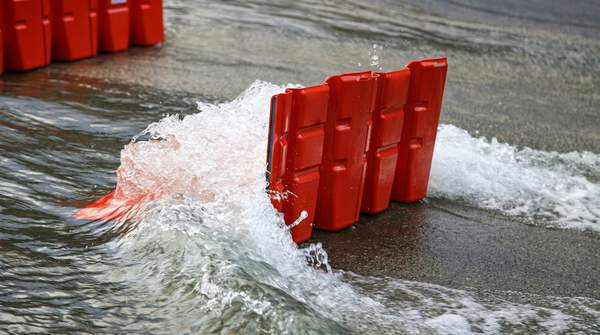
This professional service seals a crawl space to prevent moisture entry, using vapor barriers and other components. At an average cost of $5,500, per Restorable Solutions, truly effective, long-term humidity control remains a luxury.
Strengths: Long-term solution; prevents structural damage; improves air quality | Limitations: High upfront cost ($3,500-$8,500); requires professional installation | Price: High
3. Install Vapor Barriers in Crawlspaces
Best for: Preventing ground moisture from entering crawl spaces.
Vapor barriers block soil moisture, a fundamental component of crawl space control. While essential, this is not a complete solution on its own; it typically integrates into larger encapsulation projects.
Strengths: Essential first step; cost-effective as part of a larger project | Limitations: Not a complete solution; materials cost often integrated into encapsulation | Price: Low (as a component)
4. Crawl Space Ventilation System Installation
Best for: Addressing persistent high humidity in existing crawl spaces.
Ventilation systems introduce or exhaust air from crawl spaces to reduce moisture. However, effectiveness varies by climate, and improper management can draw in more humid air.
Strengths: Improves air circulation; reduces stagnant moisture | Limitations: Climate-dependent; risk of drawing in humid air if mismanaged | Price: Moderate
5. Install Bathroom Exhaust Fans
Best for: Rapid removal of localized humidity in bathrooms.
Exhaust fans vent humid air directly outside, preventing moisture buildup. NYT considers them a safer alternative to dehumidifiers in bathrooms.
Strengths: Prevents mold/mildew; safe; effective for immediate moisture removal | Limitations: Limited to specific rooms; does not address whole-home humidity | Price: Low to Moderate
The True Cost of Humidity Control
| Aspect | Crawl Space Encapsulation |
|---|---|
| Average Cost Range | $3,500 - $8,500 |
| Typical Homeowner Spend (1,000–1,500 sq ft) | $5,500 |
| Cost per Square Foot | $5 - $12 |
| Materials Cost | $1,500 - $3,000 |
| Professional Installation Cost | $2,000 - $4,000 |
Crawl space encapsulation represents a substantial investment. Materials alone cost $1,500 to $3,000, according to Restorable Solutions, with professional installation adding $2,000 to $4,000. The combined cost of materials ($1,500 to $3,000) and professional installation ($2,000 to $4,000) makes comprehensive solutions costly. In contrast, 'efficient' dehumidifiers, despite their high mechanical failure rates (NYT), effectively sell a recurring problem, burdening homeowners with repeated purchases and physical labor.
Given the high costs of permanent solutions and the recurring issues with portable units, homeowners will likely continue to face difficult choices, pushing many towards professional, albeit costly, long-term solutions for critical areas like crawl spaces if they seek true relief from humidity.