The right personal protective equipment for a home renovation depends on the hazard in front of you, not on a single all-purpose kit. Cutting wood calls for eye protection, sanding calls for respiratory protection, and handling paint thinners calls for chemical-resistant gloves. This guide matches each major PPE category to the hazards it addresses and the common DIY tasks where it belongs, so you can gear up correctly before the first swing of the hammer.
Why PPE is Essential for Home Renovations
Home renovation sites are full of hazards: tools, power cords, nails, dust, ladders, and sharp materials. As one DIY safety writer puts it, "It's not a casual weekend hobby once you start tearing things apart," and accidents happen fast when people work in sneakers and a T-shirt trusting luck. Personal protective equipment—gear and clothing designed to protect against hazards—is just as relevant at home as in the workplace whenever a project involves power tools, chemicals, or heavy materials, where safety glasses, gloves, ear protection, and dust masks can help prevent injuries.
The stakes are real. Arrowhead General Insurance Agency notes that research shows most construction industry fatalities were due to a lack of proper PPE, and even something as small as a hand injury could impact long-term function and delay your project. One caveat: OSHA regulations bind employers, not homeowners, but the underlying hazards—and the protective measures against them—remain the same, which is why this guidance adapts those principles to the DIY context.
Eye Protection: Shielding Against Debris and Chemicals
The eyes are highly vulnerable during renovation work. Safety guidance for construction environments identifies flying debris, dust, chemicals, and intense light as the main threats, and proper eye protection prevents injuries while maintaining clear vision. In practice, that means safety glasses are essential for any task involving cutting, grinding, or sanding, where chips and particles launch unpredictably.
Chemical handling changes the requirement. Splashes from paints, solvents, or strippers can reach the eye in an instant, so eye protection belongs on your face whenever you are pouring, mixing, or applying chemical products—not only when power tools are running. Eye protection also earns its keep on ladder work and demolition, where falling debris is a constant risk.
Hand Protection: Guarding Against Cuts, Abrasions, and Chemicals
Your hands do nearly all the dangerous work in a renovation, and a single injury can affect long-term function. Gloves are not one product but a family of them: different materials protect against accidental impacts, chemical burns, electrical shocks, and hot metals, according to Arrowhead's safety guidance. That means the gloves you wear to carry lumber should not be the gloves you wear to handle paint thinner.
For demolition, hauling materials, and sharp debris, general work gloves guard against cuts, abrasions, and punctures. For painting, staining, or solvent cleanup, chemical-resistant gloves are the correct choice. Insulated gloves exist for electrical hazards, but they belong to a specialized category covered below—one where DIYers should be especially careful about matching the glove to the specific risk.
Respiratory Protection: Breathing Clean in Dusty and Fume-Filled Environments
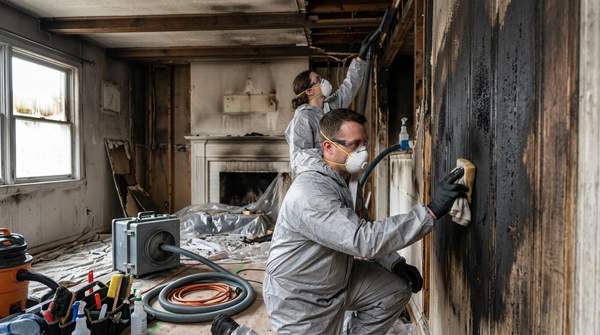
Dust masks and respirators protect your lungs from inhaling dust, fumes, gases, and other airborne particles generated by renovation work. The EPA's guidance on safe renovation and repair activities is blunt on this point: you should use suitable PPE for dust-generating work methods, because failing to contain and protect against dust allows it to spread to surrounding areas of the project.
Respiratory protection is crucial for the dustiest and most fume-heavy DIY tasks: sanding, demolition, painting, and working with insulation. Even a small sanding job fills the air with fine particles you cannot see settling into your lungs, and paint fumes add a chemical exposure on top. If you can smell or see the hazard in the air you are working in, you should not be breathing it unprotected.
Head and Foot Protection: Essential for Impact and Crushing Hazards
Head protection comes in two distinct grades, and confusing them matters. Hard hats, with a rigid outer shell and an internal suspension system that absorbs and distributes impact force, protect against falling objects and significant impacts. Bump caps, made from lightweight material, offer only minor protection against scrapes and bumps—useful for working in tight spaces like crawlspaces or under decks where you might strike your head, but never a substitute where objects can fall on you.
Foot protection guards against a different class of injury: crushing and punctures. Steel-toed boots are recommended for tasks involving heavy objects, sharp debris, or electrical work. On a demolition site littered with nails and dropped lumber, ordinary footwear leaves your feet exposed to injuries that sturdy boots would prevent.
Beyond the Basics: Specialized PPE for High-Risk Tasks
Two renovation scenarios carry risks severe enough to demand specialized gear. Electrical work is the first: where renovation brings you near exposed energized parts—old wiring, panels, power tool wiring—insulated gloves and rubber-insulating blankets are the protective measures used to prevent shocks and burns. For most DIYers, the safest application of this knowledge is recognizing when a job crosses from "renovation" into "electrical work" and treating it accordingly.
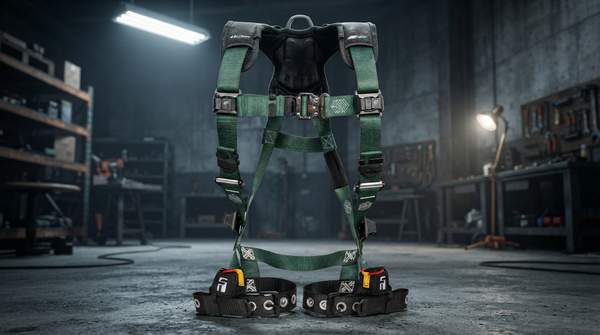
Working at heights is the second. OSHA-based safety practice requires fall protection—guardrails, safety nets, or personal fall arrest systems—for work at heights of six feet or more in professional settings. Roof work and tall-ladder tasks are the DIY equivalents, and fall protection such as a harness and lanyard is essential gear there. A fall from a roof is not survivable on luck, and no standard kit item substitutes for proper fall protection.
PPE Selection Guide for DIY Home Renovators
The table below sorts each PPE category by the hazard it is designed to mitigate and maps it to the renovation activities where that hazard appears—so you can go straight from your task to the gear it requires.
| Type of PPE | Primary Protection (Hazard) | Common DIY Tasks |
|---|---|---|
| Eye protection (safety glasses/goggles) | Flying debris, dust, chemical splashes, intense light | Cutting, grinding, sanding, chemical handling, demolition |
| Hand protection (gloves) | Cuts, abrasions, punctures, chemical burns, electrical shock, hot metals | Demolition, hauling materials, solvent and paint handling |
| Respiratory protection (dust masks/respirators) | Airborne dust, fumes, gases, particles | Sanding, demolition, painting, insulation work |
| Head protection (hard hats) | Falling objects, significant impacts | Demolition, work under overhead structures |
| Head protection (bump caps) | Minor bumps and scrapes only | Confined spaces, crawlspaces—never where objects can fall |
| Foot protection (steel-toed boots) | Crushing injuries, punctures, electrical hazards | Heavy object handling, sharp debris, electrical work |
| Fall protection (harnesses, lanyards) | Falls from heights | Roof work, significant-height ladder work |
Read the table by task, not by gear: identify what your project involves, then confirm every hazard row it touches is covered. A single afternoon of kitchen demolition may pull in eye, hand, respiratory, and foot protection at once. And remember that PPE selection is task-dependent rather than one-size-fits-all, so the checklist changes as your project moves from demolition to sanding to painting. This guide covers common DIY projects and gear selection—not cost, brand, or comfort comparisons—and it does not replace the manufacturer's safety instructions for your tools and materials.
Making Safety a Priority in Your Home Renovation
Always conduct a hazard assessment for each renovation task and select the appropriate PPE before starting work. Walk the job before you begin: what will be cut, sanded, demolished, splashed, or dropped, and from what height? The DIY renovator consistently wears the correct PPE for the specific hazards of their current task, as evidenced by visual inspection or a pre-task safety checklist. Build that checklist, run it at the start of every work session, and the gear that protects you becomes as habitual as picking up the tools.
Sources
- (PPE) Personal Protective Equipment at Home — MB HAYNES Corporation, Asheville NC
- Essential PPE and Safety Tips for Home Renovations - Happy Haute Home
- Home renovation safety tips - Arrowhead General Insurance Agency, Inc.
- Blog - 7 Essential Construction Safety Equipment for Workers - OTEPLACE
- Steps to Safe Renovation and Repair Activities — US EPA