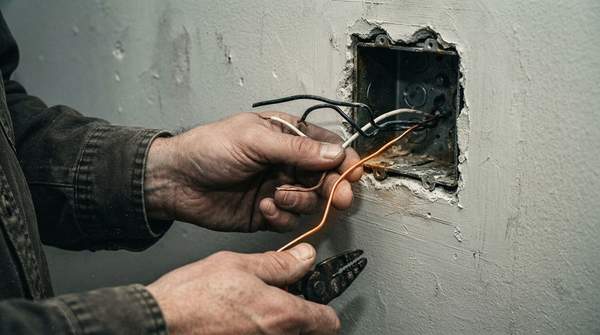
Without proper electrical grounding, a simple electrical fault can create lethal 'step and touch potentials' in the ground, turning a routine interaction into a deadly hazard. These potentials cause severe injury or death to anyone in contact with the ground or an energized object during a fault. The integrity of electrical grounding directly impacts human life and property. Electrical grounding appears to be a simple, one-time installation, but its effectiveness relies on complex engineering and diligent, ongoing maintenance. This inherent tension often leads to a false sense of security. Many perceive grounding as a static system, overlooking its continuous degradation. Neglecting grounding system design and upkeep means many installations silently accumulate risk, potentially leading to catastrophic failures.
Understanding Grounding: A Shield Against Hazards
Proper grounding minimizes step and touch potentials to a safe level, states nVent. This means effective grounding directly prevents fatal electrical hazards, extending beyond mere code compliance. A well-designed system provides a safe path for fault currents, protecting individuals and equipment. Neglecting this critical safety infrastructure leaves individuals and property vulnerable to severe injury or catastrophic damage.
Beyond the Basics: The Engineering Behind Safe Grounding
Engineers must consider multiple fault scenarios to determine worst-case conditions for grounding system performance, states Bentley Systems. This complex engineering, anticipating extreme scenarios, contrasts sharply with the perceived simplicity of connecting a grounding rod to a clamp, as described by FortressBP. This gap suggests many installations, while physically correct, are functionally inadequate for real-world electrical faults. Effective grounding requires foresight to handle diverse fault currents without compromising safety, ensuring long-term reliability.
The Foundation of Safety: Correct Grounding Installation
While FortressBP describes grounding installation as straightforward, reality demands precise execution. Connecting components like grounding rods, clamps, and wire connectors requires exactitude. Precision in each connection is paramount for the system to function, creating a reliable path to earth. Without such meticulous attention, even a minor flaw can compromise the entire safety mechanism, rendering the foundation of protection dangerously weak.