PPE Maintenance: Extending Lifespan, Challenging Replacement Myths

In a surprising study, 98% of respirators stored for up to 15 years across 10 facilities still met performance standards.

BF
Ben Foster

May 30, 2026 · 4 min read

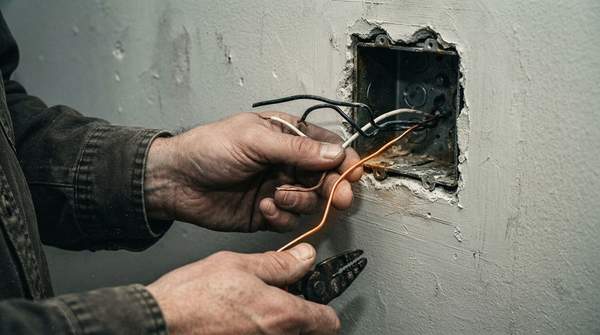
Close-up of a worker carefully inspecting a respirator, emphasizing the importance of proper PPE maintenance and inspection for workplace safety.

In a surprising study, 98% of respirators stored for up to 15 years across 10 facilities still met performance standards. The finding that 98% of respirators stored for up to 15 years across 10 facilities still met performance standards directly challenges common assumptions about the longevity and replacement cycles of essential personal protective equipment. The extensive evaluation, which tested 3,971 respirators, shows critical safety gear remains effective far longer than many professionals believe, provided specific care protocols are followed.

Many industry professionals assume PPE must be frequently replaced to ensure safety. However, rigorous testing proves properly stored and maintained equipment can remain effective for over a decade. The tension between ingrained practices, such as frequent replacement, and verifiable performance data, showing equipment effectiveness for over a decade, reveals a widespread misconception within the trades.

Companies may be overspending on premature PPE replacement. They underinvest in the critical training and maintenance programs that truly ensure worker safety. A strategic shift towards diligent assessment and comprehensive education can enhance protection and reduce unnecessary expenditure.

The Foundation of Workplace Safety: Employer Responsibilities and Training

Personal protective equipment (PPE) minimizes exposure to workplace hazards. Employers are responsible for thorough hazard assessments and comprehensive worker training on PPE use and care. Thorough hazard assessments and comprehensive worker training on PPE use and care ensure workers are both equipped and competent.

Before distributing any PPE, employers must conduct a detailed hazard assessment. This identifies potential workplace hazards and evaluates employee exposure, forming the basis for selecting appropriate PPE, according to The Horton Group. Without precise assessment, PPE selection can be arbitrary, leaving workers vulnerable or leading to unnecessary spending on unsuitable equipment.

Employers must also train workers comprehensively on PPE. This includes when it is necessary, what kind is required, proper use, limitations, and correct care and disposal, as mandated by OSHA. Effective training makes the human factor a strength in safety, not a point of failure. Education is as vital as the equipment itself for preventing injuries and ensuring long-term safety.

Navigating the Spectrum of Protection: Types, Standards, and Their Demands

PPE categories mitigate specific workplace hazards: respiratory, eye, face, head, hand, and specialized clothing. Each type must meet stringent performance criteria. Respirators filter contaminants; eyewear protects against impacts and splashes.

Selecting appropriate PPE requires understanding specific risks and regulatory requirements. Higher protection levels, like chemically protective suits and advanced respirators, involve trade-offs. These include higher prices, extensive specialized training, and greater physiological burden on the user, as detailed by PMC. Simply acquiring expensive gear does not guarantee superior safety without proper integration into a comprehensive safety plan.

Meeting specific PPE standards and managing higher protection demands reveals the complexity of workplace safety. Employers must balance robust protection with cost, training, and user comfort. Overlooking these factors can lead to improper use or neglect, compromising effectiveness. A nuanced approach, balancing robust protection with cost, training, and user comfort, supports hazard-driven choices over arbitrary replacement.

Challenging the Replacement Cycle: Cost Implications of Misconceptions

Many industries assume PPE requires frequent replacement, leading to scheduled replacements based on arbitrary timelines. The NETEC study directly contradicts this: 98% of respirators stored for 15 years still met performance standards. The disparity between the assumption of frequent PPE replacement and the NETEC study's finding that 98% of respirators stored for 15 years still met performance standards creates tension between perceived necessity and verified longevity, indicating a costly misconception.

The misconception that PPE has short lifespans creates substantial, avoidable financial burdens. Companies prioritizing frequent PPE replacement over robust maintenance and comprehensive training incur significant costs without increased safety. NETEC data implies a blanket replacement approach, without assessing condition and care, leads to unnecessary expenditure.

Acquiring expensive gear without thorough hazard assessment and proper training can be wasteful. Even basic, well-maintained PPE offers adequate protection when correctly specified. This redirects focus from new purchases to diligent upkeep and informed selection, challenging frequent replacement. Optimizing PPE investment requires condition-based assessment, not time-based disposal.

The Human Factor: Training as the Cornerstone of PPE Longevity

The 98% effectiveness of respirators stored for 15 years shows the human factor determines PPE safety more than equipment age. The human factor, which determines PPE safety more than equipment age, includes employer-provided training on proper use, meticulous care, and correct disposal. Without adequate worker education, even new PPE can fail, turning investment into a liability.

Comprehensive training ensures workers understand how to wear PPE, its limitations, and how to inspect for damage. The knowledge gained from comprehensive training extends equipment lifespan and maintains protective capabilities. Properly instructed workers on cleaning, storage, and minor maintenance become active participants in safety, not passive recipients.

NETEC evidence and OSHA training requirements suggest a clear path for employers. Shifting focus from arbitrary replacement schedules to rigorous hazard assessment and comprehensive worker training enhances safety and optimizes PPE investment. The strategic pivot from arbitrary replacement schedules to rigorous hazard assessment and comprehensive worker training prioritizes sustainable safety and maximizes existing equipment utility, ensuring protection for over a decade, not constant, expensive turnover.

What are the main types of PPE?

Beyond respiratory and eye protection, common PPE types include hearing protection (earplugs, earmuffs) to reduce noise. Fall protection (harnesses, lanyards) is critical for workers at height. Skin protection (chemical-resistant gloves, aprons) prevents contact with hazardous substances. Specialized footwear guards against punctures, impacts, and electrical hazards. For more, see our How Prevent Electrical Hazards Homes.

How do you maintain PPE?

Maintaining PPE involves regular inspection, cleaning per manufacturer guidelines, and proper storage away from extreme temperatures or contaminants. Workers must check for wear, damage, or degradation before each use and report defects immediately. Following repair protocols or replacing components as instructed by the manufacturer ensures continued effectiveness.

What is the importance of PPE?

PPE is vital. It acts as a barrier between workers and workplace hazards, reducing injury, illness, and fatality risks. It serves as a last line of defense when engineering and administrative controls cannot eliminate dangers. Proper PPE use helps companies comply with safety regulations and fosters a culture of worker protection.

What are the limitations of PPE?

PPE does not eliminate the hazard; it only protects the wearer from exposure, making it a reactive control. Its effectiveness relies on correct selection, proper fit, consistent use, and diligent maintenance. PPE can also introduce new hazards, like heat stress from suits, reduced dexterity from gloves, or impaired vision and communication.

Based on the NETEC study, if companies prioritize rigorous hazard assessments, comprehensive worker training, and diligent maintenance over arbitrary replacement schedules, they will likely achieve enhanced worker safety and significant cost efficiencies in PPE management for years to come.