Workplace Safety Practices for Skilled Trades

In 2023, U.S. construction sites recorded 1,075 fatal injuries, according to Pelco . Falls remained the leading cause of death in the construction industry, as reported by OSHA . These incidents highl

BF
Ben Foster

May 19, 2026 · 6 min read

Skilled trades workers on a construction site diligently following safety protocols, including fall protection, in a well-lit environment.

In 2023, U.S. construction sites recorded 1,075 fatal injuries, according to Pelco. Falls remained the leading cause of death in the construction industry, as reported by OSHA. These incidents highlight persistent safety challenges in skilled trades, indicating that current measures are not fully preventing the most common and deadly events.

Despite these grim figures, employers are increasingly requiring advanced safety certifications and addressing mental health. However, thousands of workers still die annually from preventable accidents, with fall protection violations remaining rampant across job sites.

Companies that fail to integrate comprehensive safety strategies, moving beyond mere compliance to foster a true safety culture, will likely continue to face high incident rates and significant human and financial costs.

Expanding Safety's Scope: Mental Health and Ergonomics

Best for: Construction site managers, safety officers, and general contractors

OSHA mandates specific fall protection for workers exposed to height hazards. This includes requirements at 4 feet in general industry, 5 feet in shipyards, 6 feet in construction, and 8 feet in longshore operations. Employers must provide fall protection when workers operate on surfaces with unprotected sides or edges six feet or more above a lower level.

Strengths: Legally enforceable, directly addresses the leading cause of construction fatalities. | Limitations: Compliance remains a challenge, with 7,188 fall protection violations reported in 2023. | Price: Compliance costs vary by equipment and training.

Best for: Organizations seeking long-term incident reduction and improved worker well-being

A mature safety culture moves beyond basic compliance, integrating safety into all operational aspects. This involves continuous training, open communication, and proactive risk assessment.
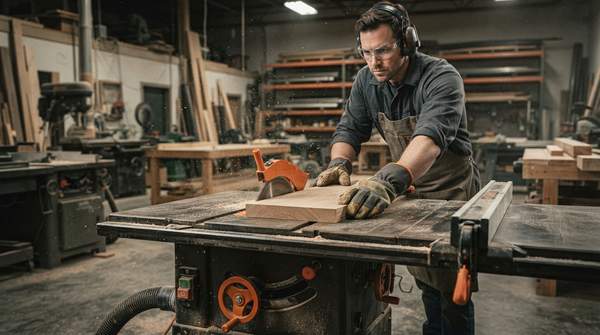
Strengths: Companies with mature safety cultures report 60 percent fewer recordable incidents. | Limitations: Requires sustained leadership commitment and cultural shift; not a quick fix. | Price: Investment in training, communication platforms, and dedicated safety personnel.

Best for: Employers aiming to enhance workforce competence and demonstrate commitment to safety

Many employers now require workers to hold advanced safety certifications. A 2024 survey found that 86 percent of employers require at least one such certification, according to cdrgeneralservices, reflecting a commitment to best workplace safety practices skilled trades 2026.

Strengths: Elevates worker knowledge and professionalism, demonstrates employer commitment to safety. | Limitations: Certifications alone do not guarantee on-site compliance or prevent all accidents. | Price: Certification course fees and renewal costs.

Best for: Companies addressing holistic worker well-being, particularly in high-stress environments

Milwaukee Tool expanded its safety training during Construction Safety Week (May 4–8, 2026) to include mental health, partnering with the American Foundation for Suicide Prevention (AFSP) to provide resources. Construction workers experience one of the highest suicide rates of any profession.

Strengths: Addresses a critical, often overlooked aspect of worker well-being; supports a comprehensive approach to safety. | Limitations: Requires specialized training and resources, may face stigma. | Price: Program development, partnership fees, and counselor access.

Best for: All construction sites and industrial facilities using fixed ladders

Specific OSHA standards govern fixed ladder installations. For instance, the distance between a fixed ladder rung and the back of a mounted object must be 7 inches. An exception for elevator pits sets the minimum at 4.5 inches.

Strengths: Prevents common ladder-related accidents through precise technical specifications. | Limitations: Requires regular inspection and adherence to detailed measurements. | Price: Varies based on ladder type and installation.

Best for: Tradespeople exposed to dust, fumes, and airborne contaminants

Tradesmen are twice as likely to develop respiratory diseases due to exposure and inhalation of gas fumes and emissions, according to Milwaukee Tool. Implementing proper respiratory protection and engineering controls mitigates these long-term health risks.

Strengths: Protects against chronic occupational diseases, enhances long-term worker health. | Limitations: Requires fit testing, maintenance, and consistent use by workers. | Price: Cost of respirators, filters, and ventilation systems.

Best for: Workers performing repetitive tasks or heavy lifting, aiming to reduce physical strain

Ergonomically designed tools reduce physical exertion and repetitive stress injuries. For example, MILWAUKEE®'s M18™ FORCE LOGIC™ 6T Pistol Utility Crimper can reduce peak muscle effort by up to 48% when used at shoulder height or above, according to Milwaukee Tool.

Strengths: Prevents musculoskeletal disorders, reduces fatigue, and can indirectly lower accident rates. | Limitations: Higher initial cost for specialized tools, requires worker training on proper use. | Price: Varies significantly by tool type and technology.

Regulatory Mandates vs. Compliance Challenges

Safety AreaOSHA RequirementObserved Compliance ChallengeConsequence of Non-Compliance
Fall ProtectionRequired at 4 ft (general industry), 6 ft (construction), 8 ft (longshore). Employers must provide protection on surfaces 6 ft or more above a lower level.7,188 fall protection violations reported in 2023.Falls are the leading cause of death in construction, contributing to 1,075 fatal injuries in 2023.
Fixed Ladder StandardsDistance between rung and mounted object must be 7 inches (4.5 inches for elevator pits).Ongoing instances of improper installation or maintenance.Increased risk of falls and serious injury from ladder misuse.
Respiratory ProtectionRequired when workers are exposed to harmful gas fumes and emissions.Tradesmen are twice as likely to develop respiratory diseases.Long-term chronic respiratory illnesses and reduced quality of life.

Despite clear and specific regulatory requirements for critical safety areas like fall protection, the high number of violations indicates a significant and ongoing challenge in achieving universal compliance. The persistent high rate of fall protection violations, even with clear OSHA mandates, reveals a systemic failure in enforcement or cultural adoption of basic safety practices.

The Power of Proactive Training and Tools

A 2024 survey found that 86 percent of employers now require at least one advanced safety certification, according to cdrgeneralservices, indicating a commitment to elevating the skill level and safety awareness of the workforce. Such certifications provide workers with specialized knowledge beyond basic compliance, aiming to proactively prevent incidents.

Beyond training, ergonomic tool design also plays a role in safety. MILWAUKEE®'s M18™ FORCE LOGIC™ 6T Pistol Utility Crimper, for example, can reduce peak muscle effort by up to 48% when used at shoulder height or above, according to Milwaukee Tool, directly addressing physical stressors and fatigue, which can contribute to accidents on the job site. Investing in advanced certifications and ergonomic tools directly addresses both human skill gaps and physical stressors, leading to a safer work environment.

Cultivating a Comprehensive Safety Culture

Moving beyond regulatory checklists, a truly effective safety strategy integrates cultural competence. Multicultural competence and strong language skills are proven to reduce incident rates by 25 percent for multilingual teams, according to cdrgeneralservices, highlighting the importance of clear communication and understanding across diverse workforces to prevent misunderstandings that can lead to accidents.

Companies with mature safety cultures report 60 percent fewer recordable incidents, according to cdrgeneralservices, indicating that a proactive, comprehensive approach, where safety is embedded in daily operations and supported by leadership, yields superior results. A truly effective safety strategy integrates cultural competence and fosters a mature safety culture, leading to significantly fewer incidents, as demonstrated by these findings.

Key Questions on Workplace Safety Standards

What are the most common workplace accidents in skilled trades?

Falls remain the leading cause of fatal injuries in construction, accounting for 1,075 deaths in 2023, according to Pelco. Beyond falls, other frequent causes of fatalities in skilled trades include being struck by objects, electrocutions.and caught-in/between incidents, often referred to as the "Fatal Four."

How can I prevent accidents in construction sites?

Preventing accidents requires strict adherence to regulations and proactive measures. For instance, employers must provide fall protection when employees work on surfaces with unprotected sides or edges six feet or more above a lower level, as mandated by OSHA. Implementing rigorous safety training, conducting regular site inspections, and fostering an open communication culture also contribute to accident reduction.

What PPE is required for skilled trades in 2026?

Required Personal Protective Equipment (PPE) varies by specific task and trade, but common items include hard hats, safety glasses, hearing protection, and steel-toed boots. For tasks involving heights, a personal fall arrest system is mandatory. Additionally, the distance between a fixed ladder rung and the back of a mounted object must be 7 inches, with an exception for elevator pits where the minimum is 4.5 inches, to ensure safe access.