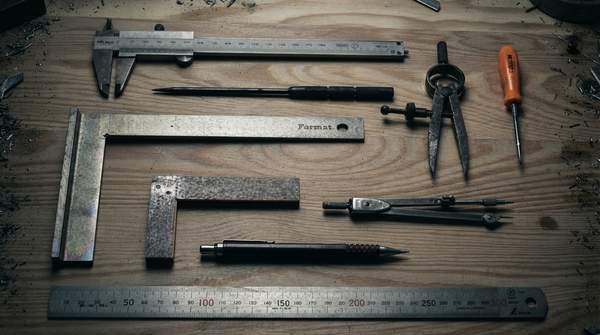
Every DIY project succeeds or fails before the first cut. The five tools that matter most for a beginner's toolkit are the tape measure, combination square, speed square or framing square, level, and chalk line. Each has a distinct job: rough and long-distance measuring, checking and marking 90-degree corners, laying out angles and cut lines on lumber, establishing level or plumb, and snapping long straight reference lines. Choosing the right one for each task is what separates accurate work from rework.
Introduction: Why Accurate Measurement Matters in DIY
Woodworker and instructor Chris Gochnour, writing in Fine Woodworking, makes the case plainly: measure or mark a part inaccurately and it almost certainly will cause problems along the way. Teaching a hand-tool class where students built writing desks, he observed that those who laid out their projects with crisp, concise markings built quickly and efficiently, with fewer setbacks. The correlation between careful layout and successful work was unmistakable.
Furniture maker Tom McLaughlin echoes the point in his own shop guide: you may have exceptional skills with a saw, chisel, or handplane, but if you haven't mastered accurate layout, you won't hit the mark. The encouraging news, as Ted Raife notes in Woodsmith Magazine, is that you don't need a drawer full of specialized tools to get started—a small core kit covers most beginner woodworking, DIY, and hobby projects.