Tools & Equipment

A Guide to Essential Tools for Working with Sustainable Building Materials

As green construction goes mainstream, working with sustainable materials like bamboo and recycled plastics demands specialized tools and techniques. This guide explores how to adapt your toolkit for clean cuts, solid joints, and lasting finishes.

KB
Kyle Brenner

April 9, 2026 · 6 min read

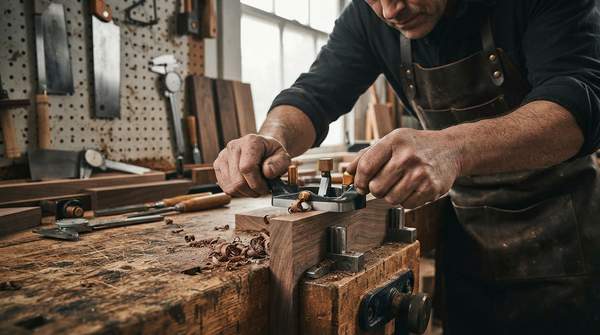
A collection of specialized tools on a workbench, ready for working with sustainable building materials like bamboo and recycled plastics in a modern, well-lit workshop.

As green construction moves mainstream, tradespeople and DIYers encounter new materials like dense, fibrous bamboo and composite recycled plastics. These sustainable building materials demand more from tools and techniques than traditional lumber and drywall, requiring a specific and thoughtful approach to the toolkit. Achieving clean cuts, solid joints, and lasting finishes with these materials differs significantly from conventional methods.

Sustainable building, driven by a desire for structures with a lower environmental footprint, incorporates materials like cork, reclaimed wood, and straw bale. Projects such as the affordable homes built by Lancaster students use these to meet efficiency and sustainability goals. However, their unique physical properties mean standard tools and methods often fall short, causing frustration, material waste, and subpar results. Building a forward-thinking toolkit requires understanding these specific material challenges.

What Are Sustainable Building Materials?

Sustainable building materials are products chosen for their lower environmental impact throughout their life cycle, from harvesting and production to installation and disposal. Think of it like choosing ingredients for a meal; some are locally sourced and minimally processed, while others require significant energy to produce and transport. In construction, these materials are selected to reduce resource depletion, minimize waste, and improve a building's energy efficiency. While the category is broad, some common examples you might encounter on a job site include:

  • Bamboo: A rapidly renewable grass that is harder than many traditional hardwoods due to its high silica content.
  • Reclaimed Wood: Lumber salvaged from old buildings, which is prized for its character but can contain hidden hazards like nails and screws.
  • Recycled Plastic Lumber (RPL): A composite material made from recycled plastics, valued for its durability and resistance to moisture and insects.
  • Cork: Harvested from the bark of cork oak trees, it is a renewable and excellent insulating material used for flooring and wall coverings.
  • Straw Bales: An agricultural byproduct used as a structural and insulating component, requiring very different handling than dimensional lumber.

Power Tools for Eco-Friendly Construction

Adapting your power tool arsenal is less about buying all-new equipment and more about upgrading your accessories and refining your technique. The devil's in the details, and with sustainable materials, the details are all about blades, bits, and speed control.

In my experience, the primary challenge comes from the density and composition of these materials. A technical report from the International Bamboo and Rattan Organisation notes that the high silica content in bamboo acts as an abrasive, dulling standard steel blades at an accelerated rate. For this reason, when working with bamboo or dense reclaimed hardwoods, I rely exclusively on high-quality carbide-tipped blades.

For circular saws and miter saws, a blade with a higher tooth count (80 teeth or more for a 10-inch blade) will produce a much cleaner cut on bamboo, minimizing splintering. When tackling reclaimed wood, a lower tooth count can be more durable, but the real priority is a pre-cut inspection. I never make a cut in reclaimed lumber without first running a handheld metal detector over the board. Hitting a hidden nail with a premium blade moving at 4,000 RPM is a costly and dangerous event.

Recycled plastic lumber presents a different problem: heat. According to a brief from the Composite Lumber Manufacturers Association, the friction from a standard saw blade can melt the plastic, causing it to gum up the blade's teeth and leave a messy, smeared cut. The solution is to manage heat by reducing friction. Use a blade with fewer teeth and a larger gullet (the space between teeth) to clear material away efficiently. If your saw has a variable speed setting, slowing it down can also make a significant difference.

Hand Tools and Specialized Equipment for Green Building Projects

Beyond primary cutting tools, specialized equipment is essential for achieving a professional finish with green materials. These tools focus on diagnosis and precision fastening, areas where the unique properties of sustainable materials become most apparent.

A high-quality moisture meter is arguably one of the most critical specialized tools. Materials like reclaimed wood and straw bale can hold significant amounts of moisture, which can lead to mold, rot, or dimensional instability after installation. Guidelines published by the Reclaimed Wood Council suggest that wood should acclimate to its environment and reach a specific moisture content before being installed. A moisture meter is the only way to verify this, preventing costly callbacks down the road.

Hand tools focus on maintenance and material-specific applicators.

ToolApplicationKey Consideration
Handheld Metal DetectorReclaimed WoodEssential for locating embedded metal before cutting to prevent tool damage and injury.
Pneumatic StaplerCork Flooring/TilesMust have adjustable depth control to avoid over-driving staples and damaging the soft material.
Diamond Sharpening StonesBlade MaintenanceNecessary for frequent sharpening of chisels and plane irons used on abrasive materials like bamboo.
Laser LevelStraw Bale ConstructionCrucial for ensuring walls are plumb and level, as bales can be inconsistent in shape.

In my own shop, I keep diamond sharpening stones readily available. When I'm working with bamboo, I find myself touching up the edges of my chisels and hand planes far more frequently than I would with oak or maple. It’s a small step that makes a huge difference in the quality of my joinery.

Why This Matters

Building an essential toolkit for sustainable materials ensures the final product is both beautiful and durable, respecting the unique properties of the materials. Using the wrong tool, however, can easily damage an expensive piece of reclaimed lumber or create a weak point in a structure. Investing in the right blades, diagnostic tools, and safety gear fully realizes the material's sustainable promise, protecting your investment, your reputation, and most importantly, your safety on the job.

Frequently Asked Questions

Can I use my standard woodworking tools on bamboo?

Yes, you can use standard tools, but with important modifications. For any cutting tool, you should use a high-quality carbide-tipped blade, preferably with a high tooth count, to get a clean cut and prevent premature dulling. Because of bamboo's density, a powerful motor on your saw or drill is also highly recommended.

What is the biggest mistake when cutting recycled plastic lumber?

The most common mistake is using a standard wood-cutting blade at high speed. The high tooth count and speed generate too much friction and heat, which melts the plastic. This results in a messy cut and can ruin the blade by coating it in melted plastic. Use a blade with fewer teeth and, if possible, reduce the saw's RPM.

Is special safety gear necessary for working with natural materials?

Absolutely. While "natural," many materials create fine dust that is harmful to inhale. Bamboo dust is very fine and abrasive, and some reclaimed woods may have been treated with chemicals decades ago. Always wear, at a minimum, high-quality eye protection and a P95 or P100-rated respirator to protect your lungs.

The Bottom Line

Working effectively with sustainable building materials demands a thoughtful evolution of the traditional toolkit. This means emphasizing high-quality, durable accessories like carbide blades, utilizing diagnostic tools such as moisture meters, and employing refined techniques that respect each material's unique composition. By making these targeted adjustments, professionals and DIYers can ensure safe, efficient, and high-quality results on any green building project.