Many homeowners are unaware that the common Romex wiring found in their homes is strictly prohibited in residential buildings over three stories or in any commercial construction. This often leads to severe safety and regulatory problems, unknowingly increasing property risks.
Property owners frequently assume all modern wiring is universally applicable. However, specific types like Romex have strict limitations. Ignoring these limits creates a dangerous gap in understanding electrical wiring applications for 2026. Widespread, uncritical use of residential wiring in inappropriate commercial or multi-story settings is creating a ticking time bomb of uninsurable properties and catastrophic fire risks.
This lack of awareness regarding wiring type regulations and historical risks means many properties unknowingly harbor fire hazards and non-compliant installations. Proactive inspection and upgrades are essential to mitigate future liabilities. Without this, properties face significant financial and safety exposures.
Understanding the Basics of Electrical Wiring
Electrical wiring systems vary significantly based on their intended application. Property owners and contractors must understand these distinctions. Different building types and applications demand specific wiring solutions. For instance, non-metallic sheathed cable, commonly known as Romex (NM, NMC, UF), is a prevalent choice for residential wiring due to its ease of installation and cost-effectiveness in single-family dwellings.
However, commercial and multi-story residential buildings require more robust, protective wiring methods. These environments often utilize armored cable (AC), metal-clad cable (MC), or conductors run through conduit systems. These alternatives offer superior protection against physical damage, fire spread, and electromagnetic interference. Such protection is essential in high-traffic or high-occupancy structures. The choice of conductor material, typically copper or aluminum, also influences capacity and application.
Insulation and sheathing around electrical conductors play a vital role in safety and performance. Insulation protects against short circuits and electrical shock. Sheathing provides mechanical protection and resistance to environmental factors like moisture or chemicals. Failure to grasp these fundamental components means risking non-compliance and exposing occupants to unnecessary hazards, even if the initial installation appears functional.
The Hidden Dangers of Outdated Wiring
Older properties often harbor electrical systems that pose significant fire and safety risks due to material degradation and design flaws. Cloth wiring, a predecessor to Romex, features degraded rubberized insulation and paper, posing a substantial fire risk, according to Lamorteelectric. This deterioration leaves conductors exposed, increasing the likelihood of short circuits and electrical fires.
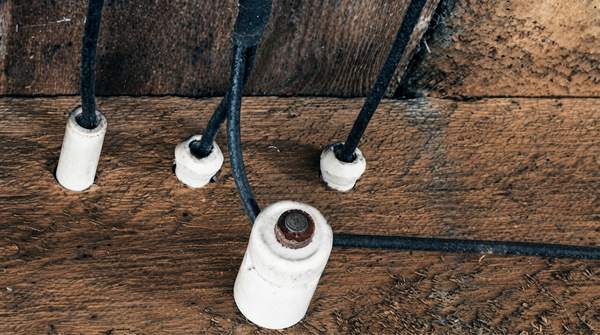
Knob and tube wiring, an even older system, uses ceramic insulators. Its insulation can decay, leading to short circuits and fire hazards, especially if walls are insulated, Lamorteelectric reports. Both cloth and knob and tube systems demonstrate how aging materials become critical liabilities. Applying modern insulation practices to walls containing knob and tube wiring can trap heat around conductors, accelerating insulation breakdown and exacerbating fire risks. This historical precedent confirms that ignoring specific wiring limitations today, particularly with Romex, will create preventable fire hazards and expensive remediation for future property owners.
The lesson from these outdated systems is clear: initial cost savings or unawareness about wiring limitations inevitably lead to significant long-term perils. Modern properties face similar dangers when Romex is misapplied. The consequences range from immediate safety threats to the gradual degradation of an entire electrical system, demanding costly and disruptive upgrades down the line.
Beyond Safety: The Financial Impact of Wiring Choices
Strategic planning and informed choices regarding wiring procurement and installation can lead to substantial cost efficiencies and avoid future liabilities for businesses. Contractors and OEM buyers save money by planning better procurement, according to Americord. However, this focus on short-term savings can inadvertently lead to massive future costs and safety liabilities if improper wiring choices are made.
The financial fallout from misapplied wiring extends beyond immediate repair costs. Properties with non-compliant installations face increased insurance premiums, or worse, outright denial of coverage in the event of a fire. This makes any perceived short-term cost savings from using cheaper, inappropriate wiring types negligible compared to the long-term financial and safety disasters of remediation, insurance denial, or catastrophic fire damage. The market value of a property can also plummet if its electrical system is found to be non-compliant or a known hazard.
Based on Nachi's clear prohibitions, property developers and contractors who cut corners by using Romex in multi-story residential or commercial projects are not just risking fines. They are actively constructing future liabilities that could render buildings uninsurable and unsafe. Compliance with wiring codes is not merely a safety measure; it is a critical financial safeguard for businesses and property owners.
If current trends of overlooking wiring regulations persist, property owners and developers will likely face escalating insurance costs and significant remediation expenses as non-compliant installations are identified and mandated for upgrade.