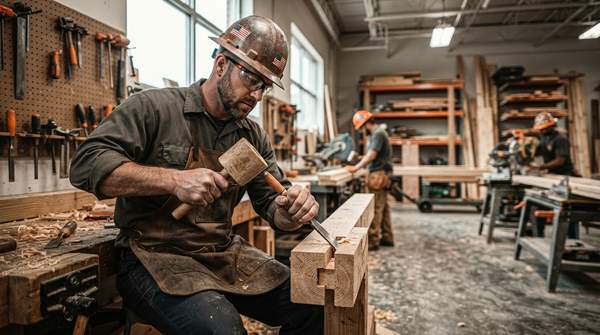
For carpenters, a staggering 70% of women cancel their apprenticeship agreements. A systemic failure to retain female talent in skilled trades is revealed. This high attrition rate, affecting nearly half of women in trades like electricians, laborers, and plumbers, wastes significant investment and industry potential. Initial recruitment efforts are undermined by workplaces struggling to keep tradeswomen engaged and supported.
Despite this, the skilled trades industry actively works to increase female representation. But women leave these roles at alarmingly high rates. This revolving door wastes valuable talent and undermines diversity goals for 2026 and beyond.
Unless comprehensive support systems and cultural shifts address tradeswomen's unique challenges, the industry will struggle to retain its diverse workforce. This is true despite initial recruitment successes. The focus must shift from merely attracting women to actively fostering an environment where they can thrive and complete training.
The Stark Reality: Women's Underrepresentation in Trades
In 2026, women remain remarkably underrepresented in skilled trades. Women make up about 5% of the industry, according to Lincoln Tech. This aligns with global statistics, where women constitute just 5% of skilled trade workers worldwide, as reported by GGDF. In the United States, the percentage is even lower: 3.4 percent of all skilled-trades workers, according to PTT. These consistently low figures confirm a pervasive gender gap. The data reveals vast, untapped potential for growth in female participation. Addressing these disparities is critical for improving diversity as the industry moves forward.
Beyond the Numbers: The Daily Challenges Faced by Tradeswomen
Tradeswomen face disproportionately high injury and stress rates, pointing to systemic workplace issues. Women are two to five times more likely than men to sustain upper body sprains or strains from their work, according to PMC. Current tools, training, and workplace practices likely fail to accommodate women's physiology, directly increasing their physical burden.