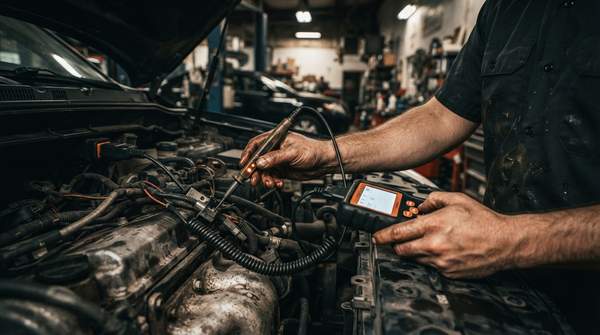
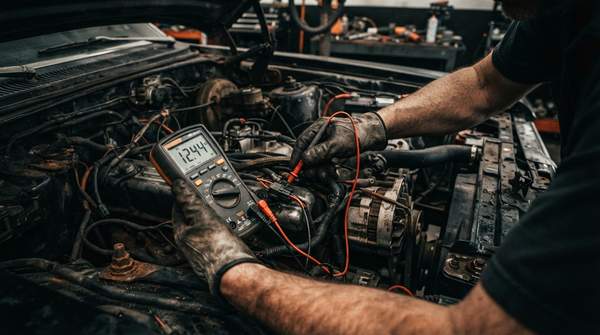
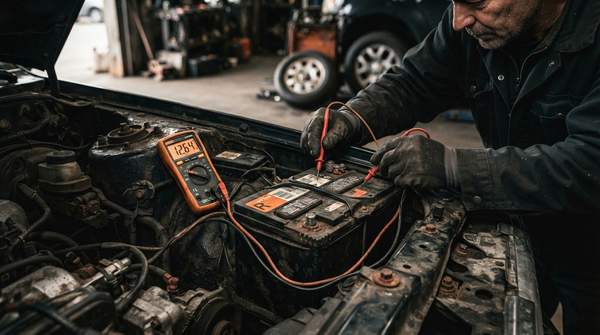
Advanced Driver-Assistance Systems (ADAS) can slash crash rates by up to 46%, yet ensuring these life-saving features work correctly after a simple windshield replacement now demands specialized, costly procedures, according to Repairer Driven News. While ADAS systems drastically improve vehicle safety, manufacturer-mandated procedures to restore their functionality after common repairs are increasingly complex and expensive. This creates a barrier to universal compliance. Without industry-wide investment in training and equipment or innovative solutions to reduce calibration costs, the full safety potential of ADAS may be undermined by inconsistent aftermarket servicing, increasing risks for drivers and pushing unsafe vehicles onto the road.
What is ADAS Calibration and When is it Needed?
ADAS calibration precisely aligns the cameras, radar, lidar, and ultrasonic sensors powering advanced driver-assistance systems. These sensors, often in windshields, bumpers, and side mirrors, demand pinpoint accuracy. Even slight misalignment impairs an ADAS feature, rendering it ineffective or dangerous.
ADAS windshield calibration is necessary after windshield replacements, minor collisions, and routine repairs, according to Caliber. This makes calibration a mandatory step for many common automotive services, not an optional add-on. For example, replacing a windshield with a forward-facing camera requires recalibration to align the camera's field of view. This crucial step is often overlooked by consumers. Ignoring calibration means features like automatic emergency braking or lane-keeping assist could operate incorrectly, creating a false sense of security and making the vehicle less safe.
The Technical Hurdles of Precision Calibration
Proper ADAS calibration demands strict, manufacturer-specific protocols. Caliber Insights states that OEM-specific procedures and unique calibration requirements necessitate access to manufacturer information. This makes calibration a highly technical, brand-specific process requiring precise adherence to OEM guidelines, not a generic repair.
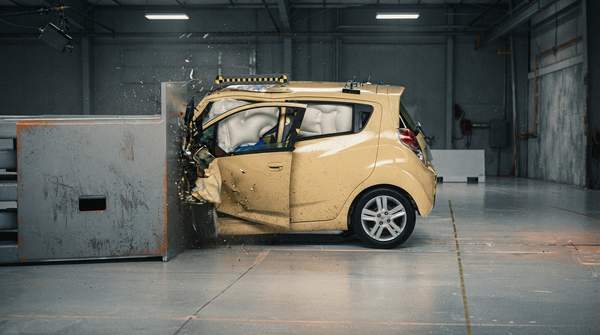
Calibration methods vary significantly. Static calibration uses specific targets placed at precise distances and angles in a controlled shop. Dynamic calibration involves driving the vehicle under specific conditions for system self-learning. Some vehicles require both. This complexity demands specialized training and up-to-date knowledge for each vehicle make and model.
The OEM-specific nature of calibration equipment and software fragments the aftermarket. Independent repair shops must invest in multiple diagnostic tools and subscribe to various OEM data portals. This creates a high barrier to entry for comprehensive ADAS servicing and challenges ensuring all vehicles receive proper post-repair calibration.
The Costly Reality for Repair Shops
Meeting ADAS calibration demands burdens automotive service providers financially and logistically. Caliber reports that ADAS calibration often requires specialized, expensive equipment, software, and toolkit accessories varying by OEM, model, and year. This forces repair facilities into substantial, ongoing investments in diverse tools and training, creating a high barrier to entry for comprehensive ADAS servicing.
A single shop may need multiple calibration targets, diagnostic scanners, and dedicated static calibration space. These are not one-time costs; equipment and software demand regular updates. Technician training is also a continuous expense, requiring maintained certifications for new ADAS features and procedures.
These expenditures disadvantage independent repair shops against dealership service centers, which typically access OEM-specific tools and training. Financial pressure may lead some shops to outsource calibration, increasing repair times and costs, or worse, to skip calibration, compromising safety.
Why Your Safety Depends on Accurate ADAS Calibration
Precise ADAS functioning directly impacts vehicle safety. Any compromise in ADAS calibration translates to compromised vehicle safety, potentially rendering advanced features ineffective or dangerous. For example, a misaligned front radar sensor could cause automatic emergency braking to activate too late, too early, or fail to detect an obstacle.
Lane-keeping assist systems, relying on cameras to track lane markings, become unreliable if the camera is not perfectly calibrated after a windshield replacement. This could cause the vehicle to drift or issue false warnings. Blind-spot monitoring systems, using radar, might fail to detect vehicles if calibration is off.
Manufacturer-mandated, OEM-specific calibration requirements create a two-tiered safety system: those who can afford proper ADAS repair and those who cannot. This undermines the universal safety promise of ADAS. Drivers unknowingly operating vehicles with uncalibrated ADAS systems face an elevated collision risk, negating the safety benefits these technologies provide.
Common Questions About ADAS Calibration
How often does ADAS need calibration?
While typically tied to repairs like windshield replacement or collision work, some OEMs recommend recalibration after certain mileage intervals or significant environmental impacts, such as sustained exposure to extreme temperatures or severe vibrations, even without a collision. Always consult your vehicle's owner's manual or a certified technician for specific recommendations.
What is the cost of ADAS calibration?
Calibration costs vary significantly, typically ranging from $200 to $800 per system, depending on the vehicle's make, model, and the specific ADAS components requiring adjustment. This cost can increase if multiple sensors or cameras need calibration, or if both static and dynamic calibration methods are required for a complete procedure.
Can ADAS calibration be done at home?
No, ADAS calibration cannot be done at home due to the need for specialized diagnostic tools, precise targeting equipment, and manufacturer-specific software. Even minor adjustments require professional expertise to ensure sensor accuracy and vehicle safety, as improper calibration can lead to significant safety risks.
If the automotive aftermarket fails to standardize procedures or develop more accessible, multi-brand calibration equipment by Q4 2026, the full safety potential of ADAS, despite its 46% crash reduction capability (Repairer Driven News), will likely remain undermined by rising costs and inconsistent servicing, leaving drivers at increased risk.