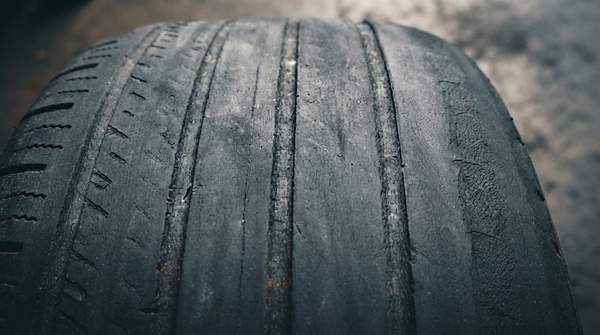
A misalignment of just 0.17 inches in toe can drag a tire sideways up to 68 feet every mile, according to Bridgestone. This subtle deviation, often imperceptible, creates constant friction, prematurely wearing expensive tires and degrading vehicle performance.
Many drivers view wheel alignment as optional, deferring it until obvious problems arise. Yet, even slight misalignment dramatically increases operating costs and compromises safety, creating hidden expenses that far outweigh the minimal upfront investment.
Therefore, a proactive approach to vehicle alignment is a critical, often underestimated, component of responsible vehicle ownership, directly impacting personal finances and road safety.
Understanding Wheel Alignment
Wheel alignment adjusts a vehicle's suspension geometry, not the wheels or tires themselves, to optimize each tire's contact patch, according to Collinsville Auto. The goal is to ensure all four wheels are parallel to each other and perpendicular to the ground, maximizing tire contact and performance.
This process balances three primary angles: Caster influences steering stability and return-to-center feel. Camber describes the wheel's inward or outward tilt, affecting tire wear and handling. Toe, critical for immediate tire wear and fuel efficiency, refers to how much the front of the tires turn inward or outward.
Precise calibration of these angles is crucial. Without it, vehicles constantly battle road forces, diminishing efficiency and control. Even minor deviations lead to substantial, often unseen, issues affecting performance and safety.
Impact of Alignment Angles
Each alignment angle critically impacts vehicle handling and tire wear. Incorrect camber causes excessive wear on tire edges, significantly reducing lifespan. Improper caster makes a vehicle difficult to steer or causes wandering at high speeds, demanding constant driver correction.
Specialized equipment measures these angles to fractions of a degree. Maintaining factory specifications is essential; small deviations accumulate, leading to performance degradation and costly repairs. The insidious nature of minor misalignments means damage often goes unnoticed until safety is compromised or expensive repairs become unavoidable.
Systemic Impact and Safety Implications
Precise wheel positioning extends beyond immediate handling, affecting the entire suspension system. Misaligned wheels force the suspension to work harder, accelerating wear on ball joints, bushings, and tie rods. This added stress leads to premature component failure, resulting in more expensive and complex repairs than a simple alignment.
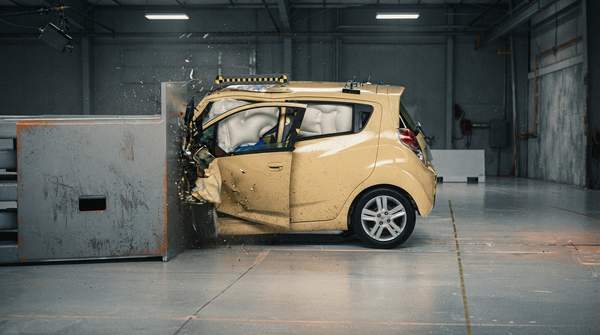
An improperly aligned vehicle also exhibits unpredictable handling, especially during emergency maneuvers or adverse weather. While drivers may adapt to a slight pull, the vehicle's true performance and safety margins are compromised. This subtle erosion of control makes regular alignment checks fundamental, not optional, for comprehensive vehicle maintenance.
Economic and Safety Imperatives
Poor alignment can reduce fuel economy by up to 10%, according to the U.S. Department of Energy. This reduction stems from constant tire drag. An alignment service, typically costing $80–$150, pays for itself through fuel savings and reduced tire wear, as reported by Tireworldutah. This cost-benefit analysis reveals a critical market failure: drivers consistently pay hundreds more annually in avoidable fuel and tire expenses rather than invest in a demonstrably self-paying service, highlighting a profound lack of consumer education.
Beyond economics, alignment is a fundamental safety component. Toe-in increases straight-line stability, while toe-out decreases it, according to Suspensionsecrets. Neglecting this subtly erodes predictable handling and driver control. For fleets, this means not just losing money on fuel (up to 10% per the U.S. Department of Energy) but actively shortening vehicle lifespan and increasing accident liability, given Bridgestone's data that a mere 0.17 inches of toe misalignment drags a tire 68 feet per mile.
Frequently Asked Questions
What are the signs of poor wheel alignment?
Drivers may notice uneven or rapid tire wear, such as feathering or scalloping. The vehicle might also pull consistently to one side, or the steering wheel may be off-center when driving straight, requiring constant correction.
How often should you get a wheel alignment?
Experts recommend an alignment every 10,000 to 15,000 miles, or at least once a year. It is also crucial after replacing suspension components, installing new tires, or after any significant impact like hitting a large pothole or curb.
Can a bad alignment be fixed?
Yes, a qualified automotive technician can correct a bad alignment using precision equipment. This involves adjusting suspension components to bring caster, camber, and toe angles back to manufacturer specifications. Most modern vehicles are designed with adjustable suspension components for these corrections.
If current trends persist, fleets neglecting alignment will likely continue to incur thousands of dollars annually per vehicle in avoidable expenses, directly impacting operational efficiency and long-term profitability, a consequence clearly demonstrated by Bridgestone's data on even minor toe misalignment.