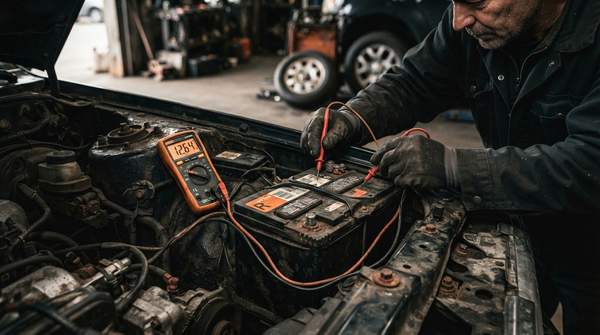
Short circuits in modern car systems cause random component failure, blown fuses, or even electrical fires, as warned by hitechautospecialists. This immediate danger demands precise diagnostics. Modern vehicles pack complex electronics requiring sophisticated diagnostic tools. Yet, many shops still rely on less capable traditional methods, leading technicians to guess at solutions instead of pinpointing root causes. Therefore, shops failing to invest in advanced diagnostic technology and training risk increased repair times, customer dissatisfaction, and potential safety hazards. Without precise diagnostics, intermittent issues become chronic, eroding trust and complicating future repairs.
The New Reality of Automotive Diagnostics
Modern vehicles integrate hundreds of ECUs and miles of wiring, creating an intricate web where one fault impacts many systems. Car electrical problems often manifest as non-syncing systems or unresponsive modules, requiring a trained eye for accurate diagnostics, according to hitechautospecialists. A simple 'check engine' light frequently conceals interconnected issues. Understanding these complex interactions demands a diagnostic approach beyond basic fault code reading.
Mastering the Oscilloscope: A Step-by-Step Guide
Interpreting oscilloscope patterns involves selecting the appropriate channel, adjusting scales, and looking for specific waveforms, pulses, and spikes to diagnose issues, explains Tek. This transforms raw electrical signals into visual data, revealing hidden component behavior and precise timing. First, technicians connect oscilloscope probe leads to the diagnostic port's ground and signal pins. After powering the oscilloscope and vehicle ignition, careful adjustment of voltage range and timebase settings captures accurate signal representations. Analyzing these visual representations identifies voltage drops, signal noise, or incorrect timing indicating component malfunction, even without a fault code. This detail is critical for diagnosing intermittent electrical problems.
Beyond the Basics: Why Advanced Tools Are Indispensable
Oscilloscopes offer a more detailed view of electrical signals than multimeters or basic scan tools, as detailed by Tek. This superior detail identifies intermittent glitches or subtle signal anomalies simpler tools miss, preventing misdiagnosis. While scanners promise 'faster and more accurate diagnoses,' as suggested by GEA, this is a false comfort without oscilloscope skills for complex, intermittent electrical issues. A two-tiered diagnostic approach, combining scanner speed with oscilloscope analytical depth, is now essential. Without detailed signal analysis, shops miss nuanced electrical issues—like non-syncing systems or unresponsive modules—leading to cascading, hard-to-trace failures, longer diagnostic times, and repeat customer visits.