Dashboard warning lights, a common sight for many drivers, often signal electrical issues that demand a highly specific, manual-driven diagnostic approach rather than a simple fix. These illuminated symbols can indicate anything from a loose gas cap to a critical system malfunction. The increasing complexity of modern vehicle electrical systems means a minor fault can mask deeper, interconnected problems. While common, effective resolution of these issues requires strict adherence to manufacturer-specific procedures, not general mechanical intuition. The perceived simplicity of common electrical problems is a dangerous illusion, as Static mandates strict, manufacturer-specific procedures "in all cases." Therefore, attempting to troubleshoot or repair modern vehicle electrical systems without official documentation will likely lead to misdiagnosis, wasted effort, and potential further damage.
Why Are Vehicle Electrical Systems So Complex?
Modern vehicles integrate dozens of electronic control units (ECUs) managing everything from engine performance to infotainment. These ECUs communicate via complex networks like CAN bus, LIN bus, and Ethernet, rendering simple point-to-point wiring diagrams obsolete for diagnostics. A fault in one component can trigger seemingly unrelated issues across the vehicle. Interwoven architecture demands a systematic, not intuitive, troubleshooting approach; simple electrical fixes are largely over, replaced by interconnected systems requiring specialized knowledge.
What is the First Step for Electrical Diagnostics?
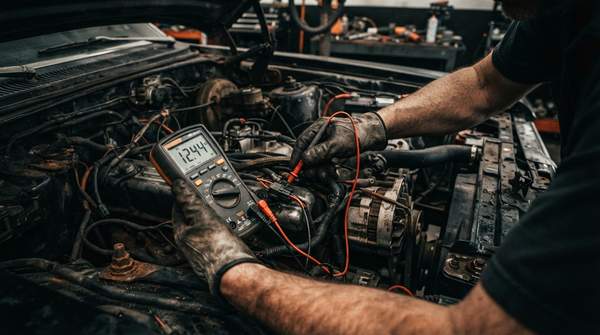
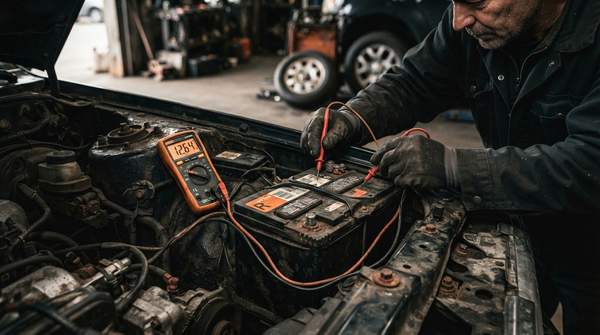
For any electrical issue, the applicable Service Manual and/or Electrical Troubleshooting Manual procedures must be performed first, according to Static. The directive means even experienced mechanics must defer to documentation. Mechanics relying on general experience for electrical issues are inefficient and risk misdiagnosis, leading to costly comebacks and eroded customer trust. The mandatory approach fundamentally shifts automotive electrical repair from experience-based to information-driven; bypassing these guidelines guarantees misdiagnosis and inefficient repair.
Why Avoid Guesswork in Car Electrical Repairs?
Diagnosing modern vehicle electrical problems without manufacturer-specific procedures leads to significant pitfalls. Technicians relying on general mechanical intuition guarantee misdiagnosis, resulting in unnecessary repairs and prolonged vehicle downtime. Incorrect repairs can introduce new electrical faults, creating cascading problems harder to trace. The prevalence of electrical issues (Corseautomotive), combined with Static's demand for strict procedural adherence, reveals a growing skills gap where traditional mechanical prowess is insufficient.