Tekmetric shops using Digital Vehicle Inspections (DVIs) average $741 per repair order, compared to $612 without them, according to Tekmetric. This $129 difference reveals substantial hidden costs that can emerge from a used car if a professional pre-purchase inspection is skipped, translating directly into unexpected repair expenses for buyers in 2026.
Many buyers assume a quick look and a seller's assurance are enough. However, finding a trouble-free used car demands significant research and investigative skills, often underestimated by those eager for a quick deal.
Buyers who invest time in thorough pre-purchase due diligence are likely to save hundreds, if not thousands, in future repair costs and gain peace of mind. This proactive approach acts as a mandatory financial safeguard against seller assurances and the illusion of a 'good deal' on a used vehicle.
Why a Pre-Purchase Inspection is Non-Negotiable
Tekmetric data shows a $129 average difference in repair orders between DVI and non-DVI shops. This confirms professional identification of even minor issues prevents larger, costlier problems post-purchase. Finding a trouble-free used car requires research and investigative skills to avoid expensive automotive headaches, according to Consumer Reports. A successful used car purchase demands active investigation, not passive transaction. Basic DIY checks, like inspecting oil and tire condition, only scratch the surface. Critical, costly issues often lie beyond a layperson's inspection, making a professional assessment indispensable. Buyers who forgo a professional pre-purchase inspection gamble with an average of $129 in immediate, unbudgeted repair costs, often more, trading a few hundred dollars upfront for potentially thousands in future headaches.
Your Step-by-Step Inspection Checklist
Begin your physical assessment by checking oil condition for signs of burnt or contaminated oil, a simple step recommended by AutoNationUSA. Next, inspect tire tread depth using a penny, also suggested by AutoNationUSA, to gauge wear and potential replacement costs. These checks empower buyers to uncover critical mechanical and historical issues sellers might not disclose.
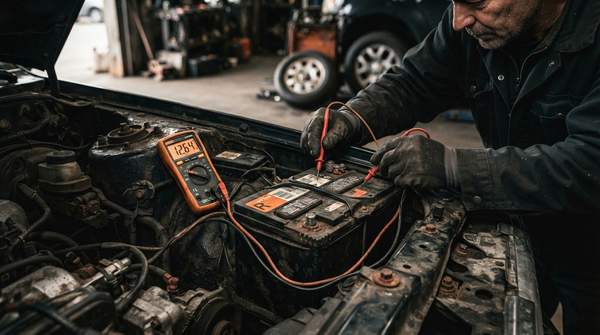
Beyond visual checks, a vehicle history report, such as from Carfax, verifies a seller's claims about accident history and ownership, according to Consumer Reports. This independent report serves as a critical counter-check, revealing information sellers might omit or genuinely not know, exposing discrepancies verbal communication alone cannot. Diligent buyers use these tools to build a comprehensive picture of a used car's true condition.
Common Mistakes to Avoid
Overlooking a professional inspection, relying solely on a seller's assurances, is a significant pitfall. Tekmetric reports the average $129 difference in repair orders between DVI and non-DVI shops, revealing professional scrutiny uncovers substantial, hidden issues that increase used car maintenance costs. Basic checks offer superficial assessment; significant, costly issues require professional diagnostic tools. Consumer Reports and vehicle history reports confirm a seller's word is insufficient; independent verification safeguards against costly surprises and unforeseen repair costs.
Communicating with the Seller
When considering a used car, communicate with the seller by email, phone, or text to assess its condition and history, advises Consumer Reports. This initial contact gathers basic information and gauges seller transparency before an in-person viewing. Proactive, open-ended communication is a vital first step in uncovering a vehicle's true condition and history.
Ask broad questions about the car's condition, allowing the seller to elaborate on potential issues, also recommended by Consumer Reports. This encourages more detail than simple yes/no answers, potentially revealing maintenance gaps or previous problems. Cross-reference these insights with a vehicle history report and a professional pre-purchase inspection.
Frequently Asked Questions About Used Car Inspections
How much does a pre-purchase inspection cost?
A typical pre-purchase inspection by a qualified mechanic usually ranges from $100 to $200 in 2026. This fee covers a comprehensive check of mechanical components, safety systems, and overall condition, offering significant value compared to potential repair costs.
Can I do a pre-purchase inspection myself?
While basic DIY checks are helpful, they only identify surface-level issues. Critical problems often require specialized tools and expert knowledge to diagnose. A professional pre-purchase inspection is strongly recommended to uncover hidden mechanical or structural flaws.
What are the most common issues found in used cars?
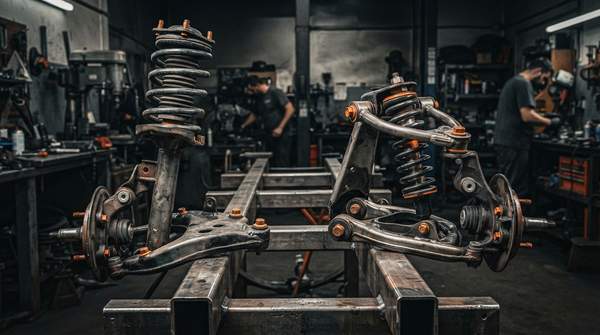
Common issues include worn brakes, fluid leaks (oil, transmission, coolant), suspension component wear, electrical system problems, and exhaust system rust. These problems often go unnoticed during a casual inspection but can lead to expensive repairs if not addressed before purchase.
The Bottom Line: Invest in Peace of Mind
If buyers consistently prioritize professional pre-purchase inspections, the average $129 in immediate, unbudgeted repair costs identified by Tekmetric data will likely decrease, leading to more reliable used car purchases and greater buyer confidence in 2026.