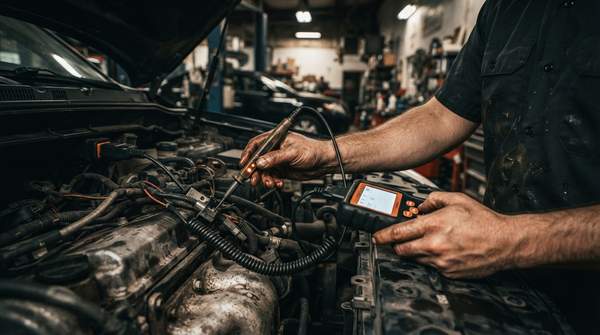
Connecting a modern diagnostic computer to a vehicle takes only moments, yet the error codes it reveals can mislead an inexperienced technician, failing to indicate obvious faults. While modern vehicle diagnostics offer unparalleled speed and access to system data, this efficiency often obscures the critical need for human expertise to interpret results accurately. The ease of obtaining initial readings can mask complex underlying issues, creating a false sense of comprehensive understanding and delaying accurate repairs.
As vehicle electrical systems grow more complex, the demand for highly skilled diagnostic technicians will increase, making superficial reliance on automated scans a growing liability for both repair shops and vehicle owners.
What Modern Vehicle Diagnostics Can Do
A vehicle diagnostic scan provides a snapshot of a car's overall health by reading data from its electronic control units (ECUs). It checks for malfunctions across systems like the engine, transmission, brakes, and airbags, revealing information about various vehicle systems, according to Idrivecertified. Technicians use these scans for an initial assessment, narrowing down potential issues. However, this broad overview is merely a starting point, not a definitive diagnosis.
OBD2: Speed, Data, and Interpretation
The On-Board Diagnostics II (OBD2) system allows technicians to connect a diagnostic computer to a vehicle’s connector in moments, often without disassembly, according to dte. This rapid, non-invasive data acquisition streamlines initial troubleshooting. However, despite this speed, the error codes generated are not always sufficient. These codes demand critical analysis; they can mislead inexperienced technicians or fail to indicate obvious faults. The efficiency of rapid diagnostics can be offset by the increased cognitive load and potential for misdirection. Shops investing in rapid tools without upskilling technicians in critical interpretation risk trading speed for accuracy, leading to prolonged downtime and customer dissatisfaction.
Beyond Basic Scans: Specialized Tools for Complex Systems
While general OBD2 scans provide a foundational overview, many modern vehicle electrical system issues demand specialized diagnostic equipment. Pinpointing faults within sophisticated systems like Common Rail, for instance, requires dedicated testers that delve deeper than standard scanners, collecting independent diagnostic data from specific components. A multi-tool approach is essential; relying solely on basic OBD2 data risks misdiagnosis in complex systems, highlighting the need for a tiered diagnostic strategy.
Common Questions About Vehicle Diagnostics
What are the main components of a modern car electrical system?
A modern car electrical system includes the battery, starter, alternator, and various electronic control units (ECUs). ECUs manage engine performance and safety features, forming an intricate network. Wires, fuses, and relays interconnect these components, ensuring proper power distribution and signal transmission, as detailed by Winkler Automotive. Understanding this complex interplay is fundamental for accurate diagnostics.
How do you diagnose common electrical problems in vehicles?
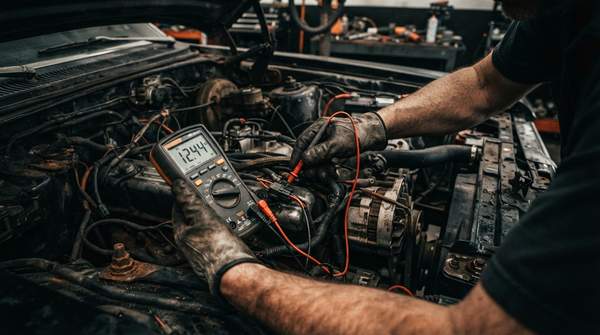
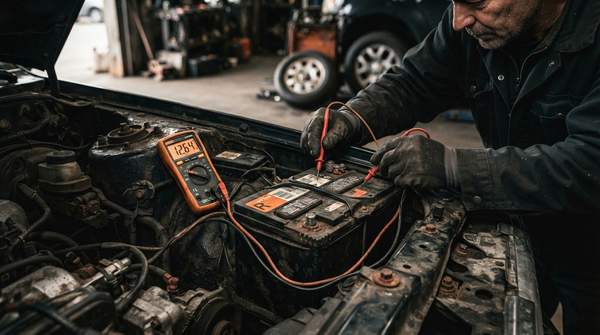
Diagnosing common electrical problems requires systematic troubleshooting beyond error codes. Technicians begin with visual inspections for loose connections or corroded terminals. They then use multimeters to test voltage, resistance, and continuity in circuits, isolating faulty components. A methodical approach is critical for issues that may not trigger a diagnostic trouble code, preventing misdiagnosis.
What maintenance is needed for modern vehicle electrical systems?
Maintaining modern vehicle electrical systems involves routine checks of battery terminals for cleanliness and tightness. Regular inspections of wiring harnesses for wear or damage prevent shorts. Additionally, keeping ECU software updated ensures optimal performance and addresses vulnerabilities, according to J.D. Power. Proactive maintenance extends component life and prevents system failures.
The Future of Vehicle Health: Expertise Over Automation
The automotive industry's push for faster diagnostics has inadvertently created a new bottleneck: the human element. Technicians are now less 'fixers' and more 'detectives,' needing advanced analytical skills to navigate the often-deceptive data from modern systems. The skilled, experienced technician who understands diagnostic data nuances is the true winner. Inexperienced technicians and vehicle owners relying solely on basic error codes without deeper analysis will be at a disadvantage. By Q3 2028, automotive service centers prioritizing comprehensive technician training over mere investment in rapid diagnostic tools will likely see improved first-time repair accuracy.