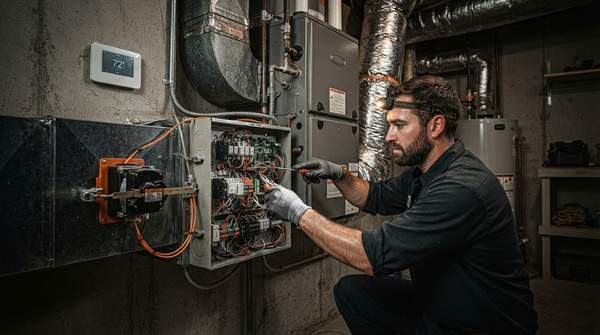
Only 34% of men under 40 regularly undertake home repairs, a stark drop from 62% two decades ago, according to Pew Research Center. This signals a profound shift in modern masculinity and household self-reliance.
Modern society champions self-reliance, yet men increasingly disengage from practical home maintenance. This creates a tension between societal values and actual behavior, particularly among younger demographics.
If unchecked, this trend will likely lead to a generation less equipped for everyday challenges, increasing household expenses and diminishing tangible accomplishment. It erodes a fundamental aspect of self-sufficiency.
A deeper societal re-evaluation of time, skill, and the perceived value of tangible work versus convenience is evident. This impacts personal agency. Sixty percent of men prefer to pay for convenience rather than spend limited free time on home projects, according to Consumer Behavior Insights, revealing a cultural shift towards outsourcing practical tasks.
The Erosion of Practical Skills and Time
Forty-five percent of young men lack the skills for basic home maintenance, like plumbing or electrical work, according to Skill Gap Institute. This skill gap stems partly from fewer high schools offering vocational training or shop classes compared to 30 years ago, reports the National Education Association. This leaves a generation unprepared for hands-on work.
Time constraints also play a role. The average work week for men in professional roles increased by 2 hours since 2000, reducing free time, a Gallup Poll indicates. Economic pressures force many men to work multiple jobs or longer hours, leaving less energy for DIY, according to the Economic Policy Institute. These demands make home DIY a low priority.
The cost of specialized tools for a comprehensive DIY workshop rose by 30% in the last decade, making initial investment prohibitive, reports the Tool & Hardware Association. This financial hurdle, combined with skill deficiencies and time constraints, further deters men from undertaking home projects. The implication is that even those willing to learn face significant financial barriers.
Beyond Simple Laziness: Evolving Roles and Resources
YouTube tutorials make some basic repairs accessible, but complex tasks remain daunting, according to a 2023 analysis of online learning trends. Digital resources offer learning, but do not replace hands-on experience or formal training for involved projects.
The perception of DIY as a 'masculine' pursuit diminished as younger generations value shared household responsibilities, states a 2022 report from Gender Studies Quarterly. This means home maintenance is no longer exclusively a male domain. Yet, this evolution does not inherently translate to increased male participation in practical tasks.
The average lifespan of major home appliances decreased, leading to more frequent replacements than repairs, reported in 2023 by Consumer Reports. This trend offers fewer opportunities for men to learn repair skills. The implication is that even when interest exists, modern products often bypass the need for repair, removing a key learning avenue.
The Hidden Costs of Outsourcing Self-Sufficiency
Households spent an average of $1,500 on professional home services in 2023, a 25% increase from 2018, according to the HomeAdvisor Report. This growing reliance on external expertise for tasks once handled by homeowners carries significant financial weight.
Men aged 25-44 increased time on leisure activities like gaming or streaming by 15% between 2010 and 2020, reports the Bureau of Labor Statistics, prioritizing digital engagement over developing practical skills. Social media platforms like TikTok and Instagram further discourage amateur attempts by featuring aspirational, professionally-done home renovations, according to a 2023 Digital Trends Analysis. These platforms push users toward professional services.
Modern smart homes often require specialized technicians for repairs, deterring DIY attempts, notes a 2023 Smart Home Tech Reviews. The increasing complexity of home technology limits traditional DIY. The implication is that as homes become more integrated, the opportunity for self-reliance shrinks, replaced by a dependence on specialists.
If current trends persist, a generation of men less engaged in practical home maintenance will likely face increased costs and diminished self-sufficiency, impacting both personal finances and a fundamental sense of accomplishment.