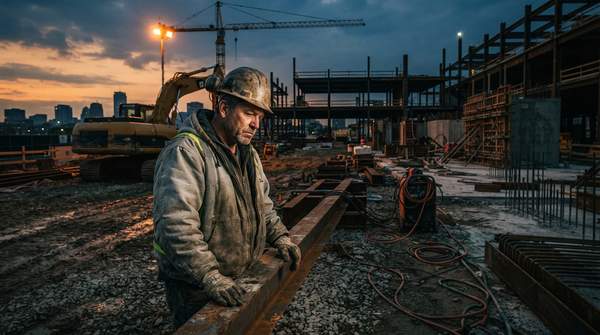
The construction sector accounts for 25% to 40% of global carbon dioxide emissions. This comprehensive guide explores sustainable building materials and methods that reduce environmental impact without sacrificing performance. Understanding these materials is a core competency for professionals in this rapidly evolving industry.
Demand for eco-friendly materials is increasing, according to a BLDR industry report, driven by the need to minimize environmental impact while maintaining durability. Building smarter, more efficient, and healthier structures reduces a project's carbon footprint and improves indoor air quality. This guide demystifies available options, providing practical insights for informed decisions.
What Are Sustainable Building Materials?
Sustainable building materials are products chosen and used in construction that minimize negative environmental and social impacts throughout their entire life cycle. This includes sourcing, manufacturing, transportation, installation, use, and end-of-life disposal or recycling. Sustainable materials excel at every stage, from raw material extraction and factory energy use to job site performance and eventual recycling or landfill disposal.
A material's 'sustainability' is measured against several key criteria. While not every box must be checked, a material's overall profile improves with more fulfilled criteria. The best approach evaluates materials based on a holistic view of their impact.
- Renewable Resources: The material is sourced from natural resources that can be replenished within a human lifetime. Wood from responsibly managed forests is the classic example.
- Recycled Content: The material incorporates post-consumer or post-industrial waste, diverting it from landfills. Examples include recycled steel, crushed concrete aggregate, and insulation made from recycled paper or denim.
- Energy Efficiency: The material contributes to the building's overall energy performance. This includes insulation products that reduce heating and cooling loads, or high-performance windows that minimize thermal transfer.
- Low Embodied Carbon: This refers to the total greenhouse gas emissions generated to produce a material, from raw material extraction to manufacturing and transport. Materials like timber naturally store carbon, giving them a lower embodied carbon footprint than energy-intensive materials like steel and concrete.
- Water Conservation: The manufacturing process for the material uses minimal water, or the final product helps conserve water in the building, such as through low-flow fixtures or permeable paving.
- Non-Toxic: The material is free from harmful chemicals that can off-gas and negatively impact indoor air quality. This includes products with low or zero volatile organic compounds (VOCs).
- Durability and Longevity: A material that lasts longer reduces the need for replacement, conserving resources and reducing waste over the building's lifetime.
What are the different types of sustainable building materials?
Several emerging materials are reportedly set to redefine construction in the coming years, according to an analysis by Parametric Architecture. The palette of sustainable materials is broader and more innovative than ever, encompassing rediscovered age-old solutions and cutting-edge material science. Understanding each material's properties and applications is key to selection.
Wood and Engineered Timber
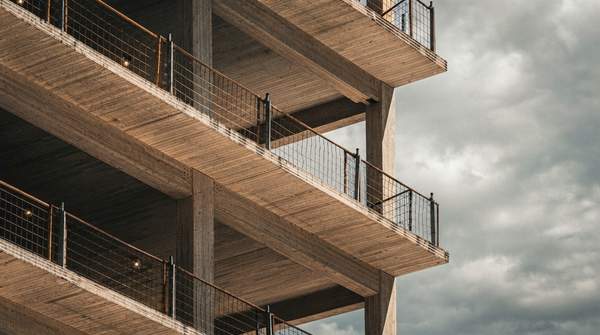
Wood, from sustainably managed forests, is a natural, renewable, and climate-friendly building material, notes the Washington Forest Protection Association. It is the only major renewable construction material. Its primary advantage is carbon sequestration: wood products naturally store carbon, with approximately 50% of their dry weight being captured carbon. A timber-framed building thus acts as a carbon sink, locking away CO2. In contrast, manufacturing steel and concrete accounts for a significant portion of global fossil fuel consumption.
Beyond standard lumber, engineered wood products like Cross-Laminated Timber (CLT) and Glulam (glued laminated timber) are expanding the possibilities for wood construction. These products offer incredible strength-to-weight ratios, allowing for the construction of large, multi-story wooden buildings. They are prefabricated off-site, which reduces on-site waste and construction time. In my work, I've seen firsthand how CLT panels can accelerate a project timeline while providing a beautiful, structurally sound, and sustainable alternative to a concrete frame.
Reclaimed and Recycled Materials
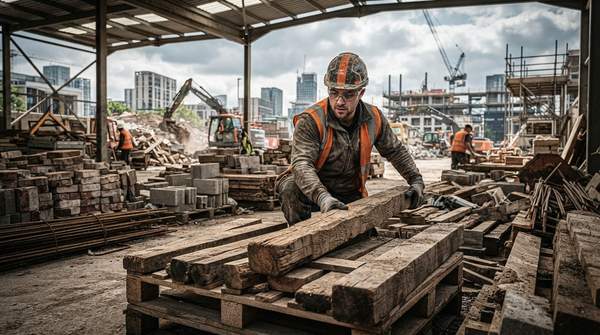
Using existing materials, such as salvaged wood beams, bricks, steel, and hardware from deconstructed buildings, effectively reduces a project's environmental footprint. Reclaimed materials eliminate the need for virgin resources, shortening the supply chain and reducing energy and emissions from new product manufacturing. Reclaimed wood, for instance, offers a unique aesthetic and significantly lowers environmental impact compared to new lumber production.
Recycled-content materials transform waste products into new building components, encompassing a wide range of products:
- Insulation: Made from recycled newspaper (cellulose), blue jeans (cotton), or plastic bottles.
- Countertops: Composed of recycled glass, paper, or plastic set in a resin binder.
- Steel: Structural steel used in construction typically contains a high percentage of recycled content, making it one of the most recycled materials on earth.
- Green Concrete: This involves substituting a portion of the cement—the most energy-intensive ingredient—with waste byproducts like fly ash from coal plants or slag from steel manufacturing.
Rapidly Renewable Resources
This category includes materials harvested from plants that grow to maturity in ten years or less, offering a sustainable alternative to slower-growing resources.
- Bamboo: Technically a grass, bamboo can be harvested in as little as three to five years. It's incredibly strong and versatile, used for everything from flooring and cabinetry to structural components in some parts of the world.
- Cork: Harvested from the bark of the cork oak tree without harming the tree itself, cork is a renewable and biodegradable material excellent for flooring and insulation due to its thermal and acoustic properties.
- Straw Bales: Using straw, an agricultural waste product, as infill for walls provides excellent insulation. When properly protected with plaster, straw-bale construction is durable, fire-resistant, and highly energy-efficient.
What are the environmental and economic benefits of sustainable construction?
Adopting sustainable materials delivers tangible benefits for builders, building owners, and occupants, spanning environmental conservation, long-term financial savings, and improved human health.
The construction sector generates about 30% of the world's refuse, with over a third ending up in landfills, according to Greener Ideal. Prioritizing reclaimed, recycled, or biodegradable materials significantly reduces this waste stream. Additionally, choosing low-embodied-carbon materials like wood over conventional ones offers substantial environmental benefits. Studies cited by the Washington Forest Protection Association suggest that substituting wood for steel and concrete in buildings could avoid 14% to 31% of global CO2 emissions.
Though some sustainable materials carry a higher upfront cost, they deliver substantial long-term savings. High-performance insulation, energy-efficient windows, and cool roofing materials, for instance, drastically reduce a building's heating and cooling costs over its lifespan. Homeowners increasingly recognize this financial benefit; a recent survey showed 52% are willing to pay more for a sustainable home, indicating strong market demand for savvy builders.
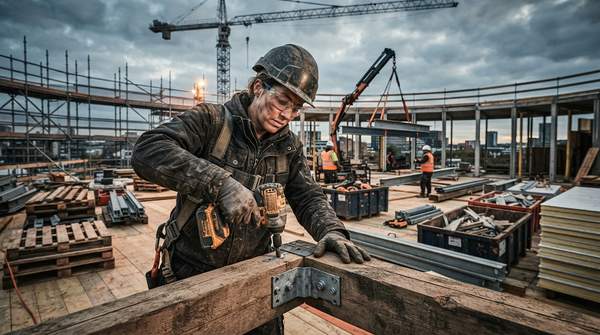
Conventional building materials often release harmful chemicals into the air through off-gassing. Sustainable products like low-VOC paints, formaldehyde-free insulation, and natural flooring directly contribute to cleaner indoor air quality. For tradespeople, working with non-toxic materials reduces occupational exposure to hazardous substances, enhancing job site safety and aligning with our focus on advanced PPE and workplace wellness.
Frequently Asked Questions
Are sustainable building materials more expensive?
While some sustainable materials can have a higher initial purchase price, they often result in a lower total cost of ownership. This is achieved through reduced energy bills, lower maintenance requirements, and increased durability. For example, investing in superior insulation reduces lifetime heating and cooling costs, providing a return on the initial investment over time. It's crucial to look at the life-cycle cost rather than just the upfront ticket price.
What is the single most sustainable building material?
There is no single "most sustainable" material, as the best choice depends on the specific application, climate, and project location. However, wood sourced from sustainably certified forests is a powerful contender. It is the only major structural material that is renewable, it sequesters carbon, and it has a lower embodied energy than steel or concrete. The key is responsible sourcing, ensuring the wood comes from forests that are managed for long-term ecological health.
How do sustainable materials improve a building's energy efficiency?
Sustainable materials improve energy efficiency in several ways. High R-value insulation (made from materials like cellulose, cork, or mineral wool) reduces thermal bridging, keeping heat in during the winter and out during the summer. High-performance windows with double or triple glazing and low-emissivity coatings prevent energy loss. Cool roofs with reflective surfaces reduce heat absorption in sunny climates, lowering the demand for air conditioning.
The Bottom Line
The shift towards sustainable building materials is a fundamental change in how we approach construction, driven by environmental necessity and growing market demand. For professionals in the trades, mastering these materials is becoming essential for building resilient, efficient, and healthy structures that will stand the test of time. Embracing this evolution is not just good for the planet—it's good for business and for the future of our craft.