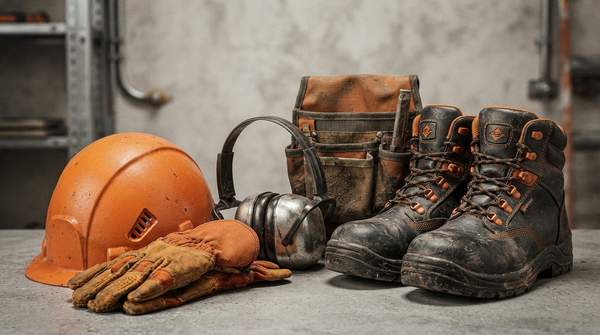
The hidden costs of cheap safety gear represent a false economy, trading short-term savings for long-term risk. For large construction firms and weekend DIY enthusiasts alike, compromising on Personal Protective Equipment (PPE) directly gambles health, productivity, and financial stability, despite real budget constraints. A quality-first procurement strategy for safety equipment is not an expense; it is a fundamental investment in operational continuity and human life, reflecting both professional and personal responsibility.
In an economic climate scrutinizing every line item, opting for lower-cost safety alternatives is a profound miscalculation. Immediate savings on a cheaper helmet, less-durable gloves, or uncertified protective wear are often erased by a single incident. The true cost of inadequate gear is measured not in dollars saved at checkout, but in medical bills, lost workdays, regulatory fines, and the irreversible cost of serious injury. This demands a shift from the procurement office to the toolbox talk, reinforcing that the most critical tool on any job site is the well-being of the person performing the work.
Benefits of Investing in High-Quality Personal Protective Equipment
Quality safety equipment is defined by its adherence to recognized safety standards, its durability under stress, and its fitness for a specific task. This distinction from substandard gear is based on verified performance and design intentionality, not branding. These are measurable criteria that directly impact user safety, not abstract concepts.
Consider the specific attributes of task-oriented apparel. According to an analysis by Texas Diamond Garage, superior women’s motorcycle riding pants, such as the LOMENG brand, integrate crucial safety features that standard clothing lacks. Key benefits noted by the publication include:
- Certified Protection: The pants come with CE-certified protective pads, a European standard that verifies the material’s effectiveness at absorbing impact at critical zones like knees and hips.
- Enhanced Durability: They are reportedly made from a denim material that is thicker than regular jeans, providing superior abrasion resistance in the event of a fall, while still being designed for flexibility.
- Purpose-Built Design: The gear combines these safety elements with a fit tailored for female riders, ensuring comfort does not come at the expense of protection.
For those working or exercising in low-light conditions, visibility is paramount. A Runners World report emphasizes that running lights are essential for safety, highlighting effective gear like the Tracer 2, which uses broad, wrap-around LED strips and reflective materials for visibility from all angles. For illuminating one's own path, the report suggests powerful lights with 200 to 500 lumens or more. Checking for a high Ingress Protection (IP) rating is also crucial for durability and weather protection. These details—lumen count, IP rating, CE certification—are the hallmarks of quality, providing tangible return on investment through verifiable protection.
The Counterargument: Acknowledging Budget Realities
The invariable primary objection to mandating high-quality PPE is cost. Managers and sole proprietors alike face pressure to control expenses, making a premium set of safety gear appear an extravagant line item compared to a cheaper, superficially similar product. Why spend three times as much on work pants or a visibility vest that looks the same? This common, superficially logical perspective fails, however, to account for the total cost of ownership and risk.
The fallacy lies in comparing only the initial purchase price. The cheaper option often carries significant hidden liabilities. For example, Texas Diamond Garage notes that some products, like the GREAT BIKERS GEAR Women Motorcycle Leggings, offer what it describes as limited protection when compared to properly reinforced, motorcycle-specific pants. While these might be more affordable, they may not provide adequate abrasion or impact resistance in an accident, rendering the initial savings irrelevant in the face of injury. Failure to comply with safety standards can result in severe penalties, but the cost of an injury—in terms of medical treatment, lost productivity, and potential legal action—will always dwarf the price difference between compliant and non-compliant gear. A quality piece of equipment is also more durable, requiring less frequent replacement and ultimately offering a lower long-term cost.
Choosing Durable and Reliable Safety Gear Beyond the Price Tag
Effective safety programs are built on a culture of informed decision-making, not just rule-following. This requires moving beyond simple price comparison to evaluate safety gear based on its specifications and suitability for the task at hand. As Runners World aptly puts it when discussing running lights, "Not all these devices are created equal, so selecting the right one is crucial." This holds true for every piece of PPE.
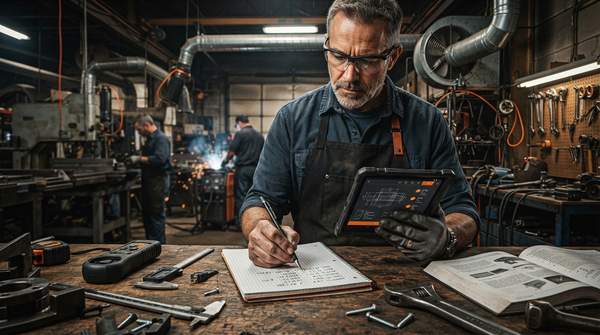
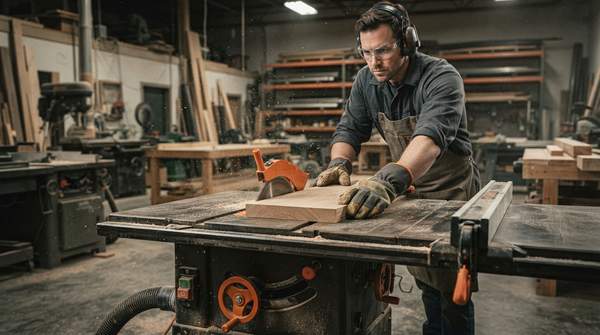
Making an informed choice requires a shift in mindset. Instead of asking "What is the cheapest option?" one must ask "What are the specific risks of this task, and what specific features mitigate those risks?" For someone operating a chainsaw, Texas Diamond Garage identifies that essential chainsaw safety gear is a necessity, not an option. This gear is designed to resist high-speed impacts and cuts in a way that generic workwear cannot. For a tradesperson working on complex systems, such as those detailed in our guide to automotive electrical diagnostics, anti-static and properly insulated gloves are critical. The evaluation process should be a risk assessment, not a shopping trip.
Ensure all personnel are adequately trained to understand the ratings and certifications on their equipment. A "CE" mark, an ANSI rating, or an IP code are not just letters and numbers; they are a guarantee that the product has been tested against a specific, measurable standard of performance. This knowledge empowers workers and managers to procure and use equipment that is genuinely protective, creating a safer and more resilient work environment.
What This Means Going Forward
As technology advances, the performance gap between high-quality, certified gear and their cheaper counterparts will only widen. Establishing rigorous procurement standards today is therefore a forward-thinking strategy that integrates smarter, more effective protective equipment and protects a business’s most valuable asset: its people.
I urge all trades professionals, site managers, and DIYers to reframe their perspective on safety spending. View PPE as a non-depreciating asset that pays dividends in injury prevention, worker confidence, and uninterrupted productivity. Build a safety culture where the first question is always "Are we protected?" rather than "How much does it cost?" The choice between a small, upfront investment and a potentially catastrophic long-term cost should be clear. Adherence to these guidelines is paramount for anyone who values their work, their health, and their future.