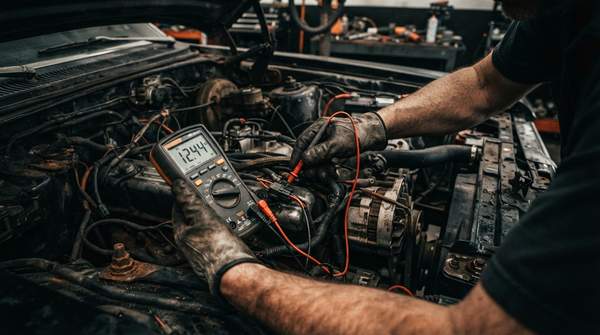
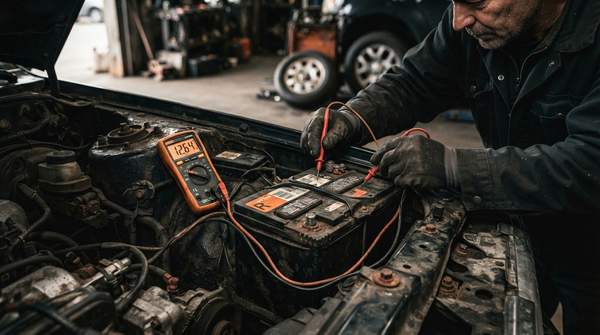
A DIY mechanic subscribing to ALLDATAdiy for 'manufacturer-level data' might be surprised to find it only covers one specific vehicle, leaving them to pay more or seek other sources for their next project. This single-vehicle limitation creates unexpected costs for enthusiasts who maintain multiple cars or undertake varied projects throughout the year. The increasing complexity of modern vehicle systems, with integrated electronics and specialized components, makes accurate, manufacturer-sourced repair information more critical than ever for successful DIY projects.
ALLDATAdiy promises unedited OEM data for DIY repairs, but its single-vehicle limitation and lack of advanced diagnostic features mean it often falls short of professional-grade or direct manufacturer resources. This tension arises as serious DIYers attempt to tackle repairs that demand more than basic service information. DIYers seeking truly comprehensive and advanced repair capabilities will likely need to supplement aggregator subscriptions with professional-tier tools or direct OEM portal access, trading convenience for depth.
ALLDATAdiy: OEM Data, But With a Catch
Even with raw OEM data, ALLDATAdiy's absence of guided diagnostics means complex troubleshooting remains out of reach for many DIYers.
1. Direct OEM service information portals
Best for: Professional mechanics and advanced DIYers tackling complex, modern vehicle issues.
These portals offer deeper data than aggregators, including reprogramming support, and provide the most direct, unedited information straight from the manufacturer according to techroute66.
Strengths: Most comprehensive OEM data, includes reprogramming capabilities, essential for modern vehicle diagnostics. Limitations: Often expensive, complex interfaces, typically designed for professional use, unlike simpler methods such as vehicle consignment Alabama. Price: Varies significantly by manufacturer, often subscription-based.
2. ALLDATAdiy
Best for: Casual DIYers focusing on basic car maintenance and common car repairs on a single vehicle.
ALLDATAdiy provides unedited OEM data for service and repair procedures on a single vehicle according to techroute66. It includes detailed repair information, step-by-step procedures, illustrations, color wiring diagrams, technical service bulletins, recall information, diagnostic trouble codes, service interval tables, maintenance charts, and diagnostic flow charts for over 30,000 vehicles according to alldata.
Strengths: Genuine OEM data, comprehensive repair information for a single vehicle, detailed guides and diagrams. | Limitations: Limited to one vehicle per subscription, lacks guided diagnostics, insufficient for advanced functions like reprogramming. | Price: Approximately $20-$30 per vehicle per year for the DIY tier. Professional plans start around $189/month per shop.
3. Haynes Pro
Best for: DIYers and small shops needing guided diagnostics and known-fault fixes for common vehicle issues.
Haynes Pro offers guided diagnostics with known-fault fixes and electronic component location drawings according to techroute66. It curates OEM-derived data, providing a practical problem-solving approach.
Strengths: Excellent guided diagnostics, practical solutions for common faults, clear component location drawings. | Limitations: Data is OEM-derived, not always raw OEM, may not offer the deepest level of manufacturer data. | Price: Subscription-based, varies.
4. iFixit
Best for: Beginners and those seeking community-driven repair guides for a wide range of products, including some automotive.
IFixit offers thousands of repair manuals, tutorials, and how-to guides for DIY fixes, including electronics and cars according to ifixit.com. It provides an 'Answers Forum' for user support and sells parts and tools.
Strengths: Extensive free guides, strong community support, visual step-by-step instructions. | Limitations: Information may not always be direct OEM, depth can vary, less focused on advanced diagnostics. | Price: Free for guides, parts and tools sold separately.