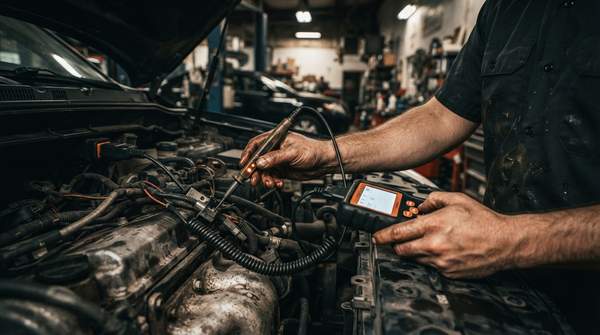
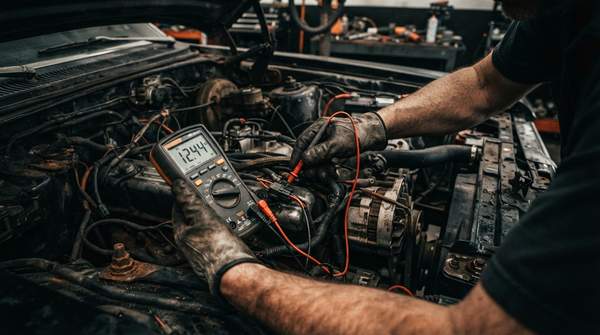
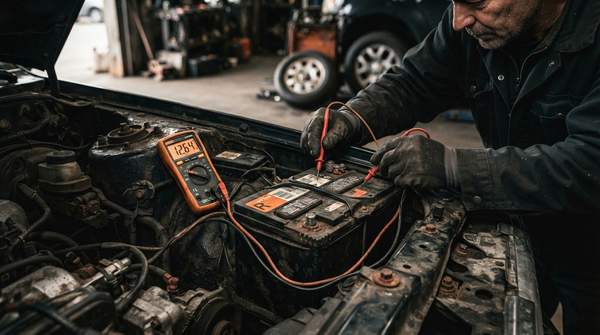
Only 35% of automotive technicians feel adequately trained to diagnose complex software issues in modern vehicles, according to a ASE Certification Poll 2022. This proficiency gap is critical: over 60% of vehicle recalls in the past three years involved software updates or electronic component issues, reports JD Power Recall Analysis 2023. Vehicles increasingly rely on complex software for operation and diagnostics, yet the necessary tools and knowledge are less accessible to the broader repair industry. An electrical diagnostic session now takes 2.5 times longer than a mechanical issue of similar complexity, states Shop Management Software Data 2023. Independent repair shops that fail to adapt to this software-centric diagnostic landscape will struggle to compete, likely consolidating the repair market around dealerships and specialized service centers.
What Are Modern Vehicle Diagnostic Systems?
A single premium vehicle can contain over 100 electronic control units (ECUs) and 100 million lines of code, notes a Deloitte Automotive Report 2023. These embedded computer systems manage everything from engine performance to infotainment through intricate networks. Identifying root causes is harder now that Diagnostic Trouble Codes (DTCs) have increased by 40% in five years, states the OBD-II Standard 2023. These codes require specific software and interpretation beyond basic on-board diagnostics (OBD-II) readers. High-speed networks, like Automotive Ethernet operating at 1 Gbps, demand specialized analysis tools, as detailed by the SAE International Journal 2022. Modern diagnostics extend beyond simple code reading, requiring a deep understanding of complex, interconnected software and hardware systems.
The Challenges for Technicians
OEM-specific diagnostic software and hardware can cost independent repair shops over $50,000 per brand, reports an Independent Auto Repair Survey 2023. Annual subscription fees for this software add another $1,000 to $5,000 per OEM, according to Tool & Equipment Magazine 2023. This substantial investment is often necessary for specific manufacturer data and programming. Many advanced diagnostic functions, like module programming or key coding, also require direct online access to OEM servers, states the Automotive Service Council Brief 2023. This reliance on proprietary platforms and manufacturer permissions, combined with high costs, creates significant barriers for independent shops, limiting their ability to service modern vehicles.
Why This Matters for the Industry and Consumers
'No-fault found' issues often stem from intermittent software glitches or network communication errors, according to a Tech Support Forum Analysis 2023. These complex problems exceed the diagnostic capabilities of many independent shops. Technicians must also service a wide range of diagnostic technologies, from older OBD-II systems to the latest network architectures, as the average vehicle on the road is 12.5 years old, reports S&P Global Mobility 2023. This means shops face a dual challenge: diagnosing complex, often elusive software issues in modern cars while maintaining expertise for an aging, diverse fleet. Cybersecurity vulnerabilities in diagnostic ports and software also pose a growing risk of remote vehicle compromise, warns a NHTSA Cybersecurity Advisory 2023. This diagnostic divide impacts technician livelihoods, threatens consumer access to affordable repairs, and raises vehicle security concerns.
Navigating the New Diagnostic Landscape: Solutions and Strategies
Advancements like advanced sensor technology, AI-driven predictive analytics, and over-the-air (OTA) diagnostic capabilities help identify issues before breakdowns by analyzing telematics data. However, technicians still spend 30-40% of diagnostic time navigating complex software interfaces and interpreting data logs, according to a Workshop Efficiency Study 2023. This means while tools evolve, the demand for skilled interpretation grows.
Becoming a certified diagnostic technician requires specialized training and ASE certifications. Independent shops increasingly form alliances to share access to expensive OEM diagnostic tools and training, as reported by Repair Shop Network News 2023. These collaborations offer pathways to necessary skills and equipment.
Essential tools include OEM-specific scan tools, advanced oscilloscopes, network analyzers, and programming interfaces. While guided diagnostic workflows assist, they can mislead if initial symptoms are misinterpreted, notes Diagnostic Tool User Feedback 2023. Critical thinking and foundational knowledge remain crucial for technicians.
The Future of Vehicle Diagnostics
The shift to software-driven repairs means a technician's primary tool is increasingly a laptop, not a wrench, observes Motor Age Magazine 2024. This demands a fundamental re-evaluation of industry training and skill sets. New vehicle telematics systems transmit an average of 25 GB of diagnostic data monthly to manufacturers, according to the Connected Car Report 2024. The average of 25 GB of diagnostic data transmitted monthly to manufacturers underscores the need for technicians to become proficient in data analysis and software interpretation.
The future requires a hybrid technician: part mechanical expert, part software engineer, and part data analyst, continuously adapting to rapid technological advancements. Predictive maintenance systems, leveraging AI on diagnostic data, are projected to reduce unscheduled downtime by 20% by 2028, according to Gartner Automotive Forecast 2023. By Q3 2026, independent shops that do not invest in advanced software training and collaborative tool-sharing models will face significant competitive disadvantages against dealership service centers.