AllTradesJournal
TradesServicesTools & EquipmentHow-ToProjects
AllTradesJournal

The definitive source for trades, services, and DIY.

ConstructionDiyTradesSkilled TradesConstructionEducationWoodworkingAi

Sections

  • Trades
  • Services
  • Tools & Equipment
  • How-To
  • Projects

More

  • Industry
  • Safety
  • Materials
  • Automotive Services
  • Writers

About AllTradesJournal

AllTradesJournal.com delivers the latest news, how-to guides, and industry insights for professionals and enthusiasts in the trades, services, and DIY sectors. We cover everything from tools and techniques to safety and automotive services.

  • Contact
  • Privacy Policy
  • Terms of Service

© 2026 AllTradesJournal. All rights reserved.

  1. Home
  2. /Materials
  3. /The Importance of Metal Surface Preparation for Coatings
Materials

The Importance of Metal Surface Preparation for Coatings

In 1924, General Motors revolutionized automotive production by adopting DuPont's 'Duco' paint, slashing painting and drying times from days to mere hours, according to a brief history of automotive c

KB
Kyle Brenner

August 18, 2026 · 4 min read

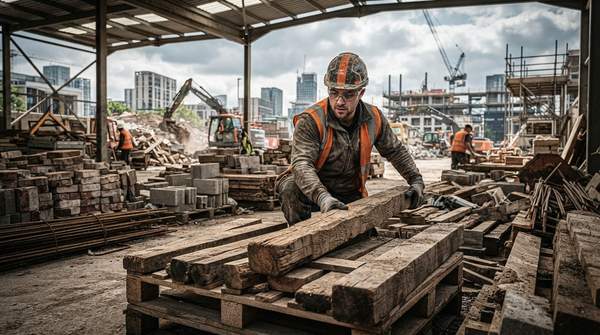
Detailed view of a perfectly prepared metal surface, highlighting its readiness for advanced protective coatings, emphasizing the importance of meticulous preparation.

In 1924, General Motors revolutionized automotive production by adopting DuPont's 'Duco' paint, slashing painting and drying times from days to mere hours, according to a brief history of automotive coatings technology. This nitrocellulose-based chemistry allowed for spray application and rapid solvent evaporation, significantly accelerating vehicle manufacturing. Yet, this breakthrough still depended entirely on the foundational readiness of the metal surface.

Today, advanced protective coatings promise exceptional resilience and aesthetic quality for metal surfaces, but their efficacy is completely compromised if the underlying metal is not perfectly prepared to exacting standards.

As demand for high-performance and sustainable coatings grows across industries, sophisticated, standardized, and meticulously executed surface preparation techniques become the paramount factor in preventing widespread failures and ensuring product longevity.

The Duco story exposes a persistent industry blind spot: application speed often overshadows foundational quality. This tension continues to impact the performance of even the best protective coatings for metal surfaces in 2026.

Understanding Metal Surface Preparation

Surface preparation is the essential first step for treating steel and other substrates before they receive paint, coatings, or linings, according to TWI Global. Removing contaminants like dirt, dust, rust, grease, and oil is essential before applying coatings, adhesives, or performing welding, according to Laserax. This critical process ensures a pristine, receptive substrate, free from any impediments to proper adhesion.

This foundational work goes beyond simple cleaning. It establishes the conditions necessary for a coating to bond effectively, influencing everything from protective qualities to aesthetic finish. Neglecting this stage, even with advanced materials, can lead to premature coating breakdown. Adequate surface preparation is a prerequisite for achieving the promised durability and performance of modern metal coatings.

Optimizing Metal Surfaces for Superior Adhesion

Beyond basic cleanliness, advanced surface preparation techniques actively modify a substrate's physical and chemical properties to create optimal bonding conditions. Increasing surface roughness through methods like sanding, laser texturing, and chemical etching helps coatings and adhesives adhere better, according to Laserax. This creates a mechanical interlock between the coating and the substrate, increasing the surface area for bonding.

Modifying the chemical composition of a surface, for example by introducing oxides through laser texturing or chemical treatments, can also improve bonding capabilities by increasing surface free energy, according to Laserax. This chemical alteration promotes stronger molecular attraction between the coating and the metal. These precise modifications go far beyond simple cleaning, demanding a level of detail often underestimated. Yet, they are crucial for achieving robust, long-lasting adhesion with modern protective coatings.

Methods and Standards for Metal Surface Preparation

The evolution of coating materials has paralleled the development of diverse surface preparation methods and stringent industry standards. Alkyd paint systems, developed in the 1930s, were among the first 'polymers' made for coatings, combining synthetic monomers and natural products, and were initially commercialized as automotive primers, according to a brief history of automotive coatings technology. The development and commercialization of alkyd paint systems demonstrates a long, intertwined history of material science advancements and application challenges.

Surface preparation can be performed chemically or mechanically to remove contaminants such as old coatings, residue, oxidation, and organic matter, according to TWI Global. Methods include abrasive blasting, power tool cleaning, and solvent cleaning. Each is chosen based on the specific substrate, contaminant type, and desired surface profile. The variety of preparation methods, alongside evolving coating materials, demands a tailored, precise approach to meet diverse application needs and performance expectations.

The Cost of Failure: Diagnosing Coating Breakdown

The critical importance of proper surface preparation becomes evident when examining the consequences and diagnostic processes of coating failures. Investigating failures typically involves a site visit for visual examination, analysis of the failure, and laboratory testing, according to KTA. These extensive forensic protocols reveal that what often appears to be a material defect is, in fact, a fundamental failure in surface engineering.

Coating failures are costly and complex, frequently traceable back to overlooked details in the initial surface preparation. Thorough post-mortem analysis is critical to prevent recurrence, revealing a widespread underestimation of the specialized expertise needed before the first drop of paint. Companies investing heavily in advanced coating materials, but skimping on meticulous surface preparation detailed by standards like SSPC-SP10, are effectively pouring money into a leaky bucket, guaranteeing premature failure and costly rework.

Common Questions: Understanding Industry Requirements

What is the lifespan of protective coatings for metal?

The lifespan of protective coatings on metal surfaces depends heavily on the initial surface preparation quality. Without proper adherence to standards like SSPC-SP10 for near-white metal or SSPC-SP5 for white metal, coatings can fail prematurely, regardless of the coating material itself. Meticulous preparation ensures the coating forms a strong, durable bond, extending its functional life.

Which protective coating is best for outdoor metal construction?

The "best" coating for outdoor metal construction depends on environmental exposure and specific performance requirements, but all options demand rigorous surface preparation. For demanding environments like offshore structures or industrial facilities, achieving a "near-white metal" standard, such as SSPC-SP10 / Sa 2½, is typically required for optimal coating adhesion and longevity, according to MontiPower. This foundational work ensures the selected coating performs as intended against corrosion and wear.

If current trends continue, the industry appears poised to recognize meticulous surface preparation not as an optional expense, but as the foundational investment for achieving true coating longevity and performance in increasingly demanding applications.

Related Coverage

  • Automotive HVAC System Failures: Technician's Diagnostic Guide
  • professional
  • 7 AI Applications for Equipment Maintenance in 2026
  • Maximizing EV Battery Lifespan: A Guide to Owner Care & Tech Advances

Tags

Metal FinishingSurface PreparationCoatingsIndustrial CoatingsCorrosion ProtectionPaint AdhesionMetal Treatment
KB

Kyle Brenner

Tools & Equipment Writer

As the Tools & Equipment Writer for AllTradesJournal, Kyle Brenner delivers hands-on reviews and practical insights into power tools, safety gear, and materials. His work helps professionals and DIY enthusiasts select the right equipment to complete their projects safely and efficiently.

More from Materials

Close-up of various construction sealants and adhesives being applied to a modern building facade, demonstrating advanced materials and skilled application techniques.

Types of Sealants & Adhesives for 2026 Construction

The global market for construction adhesives and sealants is projected to reach USD 19.

Kyle Brenner· Sep 10
Cross-section of a wall revealing advanced insulation, with a subtle visual representation of potential moisture and mold growth in one section.

What Are Advanced Insulation Materials and Why Do They Matter?

Some advanced insulation materials, while engineered to regulate indoor humidity, paradoxically create conditions that could favor mold growth if not properly managed.

Kyle Brenner· Sep 10
A futuristic, sustainable building with plant-infused walls, showcasing the integration of eco-friendly materials and advanced architecture in a natural setting.

What Are Sustainable Building Materials and Why Do They Matter?

Imagine a building material that could improve thermal insulation by up to 83% just by incorporating 6% coffee grounds into its composition.

Kyle Brenner· Sep 8
Modern construction site showcasing innovative building panels made from recycled wood and plastic composites, highlighting sustainability and durability.

What Are Composite Wood Polymer Composites and Why Do They Matter?

Imagine a building material made from furniture factory sawdust and recycled plastics that not only lasts longer than traditional wood but actively resists decay and environmental wear.

Kyle Brenner· Sep 8

Trending Now

1
A modern DIY workshop showcasing a variety of eco-friendly and refurbished power tools alongside green plants, emphasizing sustainability in home improvement.

Eco-Friendly Tools Fuel Sustainable DIY Culture's Market Shift

Industry· 25 views
2
A modern workshop with advanced diagnostic tools servicing a futuristic electric vehicle, emphasizing precision and cutting-edge EV maintenance technology.

Top 8 Diagnostic Tools for Electric Vehicle Maintenance in 2026

Automotive Services· 7 views
3
A professional tradesperson evaluating a selection of top cordless power tool systems including Milwaukee, DeWalt, Bosch, and Makita, arranged on a workbench in a modern workshop.

The Best Cordless Power Tool Systems for Pro Trades: A 2024 Comparison

Tools Equipment· 6 views
4
Futuristic AI system controlling an advanced automotive manufacturing line with robotic arms and holographic displays, symbolizing industry transformation.

AI tools drive transformation in automotive and equipment industries

Tools Equipment· 6 views
5
MAHLE's AI-powered Workshop Portal and new generation A/C service units displayed in a futuristic workshop at Automechanika Frankfurt 2026.

MAHLE Unveils Five World Premieres at Automechanika Frankfurt 2026

Automotive Services· 5 views
6
Detailed view of a modern double wishbone independent suspension system on a car, showcasing its complex engineering and robust design.

What are modern vehicle suspension systems and why do they matter?

Automotive Services· 5 views