Specialized Diagnostic Tools for Modern Vehicle Maintenance in 2026

Diagnosing a modern vehicle without a scan tool is "extremely difficult and often futile," a reality highlighted by Bosch's March 2023 launch of the BEA 750 system for hybrids and EVs, according to gm

LO
Luis Ortega

June 9, 2026 · 4 min read

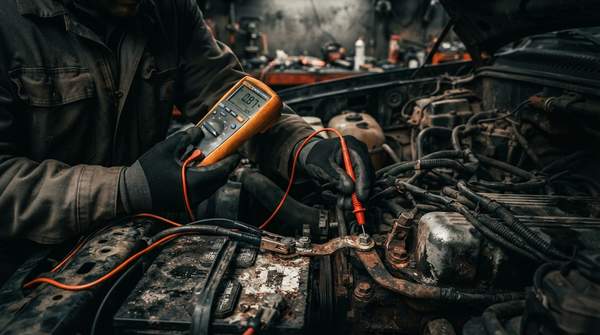
Mechanic using advanced diagnostic tablet on a futuristic electric vehicle in a high-tech auto repair bay, highlighting 2026 vehicle maintenance technology.

Diagnosing a modern vehicle without a scan tool is "extremely difficult and often futile," a reality highlighted by Bosch's March 2023 launch of the BEA 750 system for hybrids and EVs, according to gminsights. Vehicle maintenance now demands precise digital analysis, moving beyond simple mechanical fixes.

The market, however, is flooded with affordable, accessible OBD2 scanners. Yet, the increasing complexity of modern vehicles, especially EVs and hybrids, renders many of these basic tools inadequate for comprehensive diagnostics. Cheaper devices often mask critical issues only specialized, expensive systems can detect.

As vehicle technology advances, consumers and mechanics must invest in specialized, expensive diagnostic equipment. This trades initial cost savings for long-term maintenance efficacy, avoiding costly guesswork in servicing modern vehicles beyond 2026.

The Expanding Market for Diagnostic Tools

The automotive diagnostic scan tools aftermarket is projected to grow at a 6.1% Compound Annual Growth Rate (CAGR) between 2025 and 2034, according to automotive diagnostic scan tools aftermarket size, 2034 report. This growth is driven by the increasing complexity of modern vehicles, exemplified by Bosch's March 2023 launch of its BEA 750 battery diagnostic system specifically for hybrids and electric cars, according to gminsights. Bosch's March 2023 launch of its BEA 750 battery diagnostic system specifically for hybrids and electric cars signals a clear industry shift: effective vehicle service now requires specialized, advanced diagnostic capabilities.

A Spectrum of OBD2 Scanners for Modern Vehicles

The market offers a range of OBD2 scanners, but their capabilities vary significantly. Only specialized options truly address modern vehicle demands.

1. OBDEleven

Best for: Enthusiasts and independent garages specializing in Volkswagen Group, BMW/MINI, Toyota/Lexus, and Ford models.

The OBDEleven excels with marque-specific features, providing detailed fault information and feature modification options.

Strengths: Detailed fault information; marque-specific feature modification. | Limitations: Expensive; requires extra payment for some features. | Price: Around 73.29.

2. Carly Universal Scanner

Best for: Car owners seeking advanced diagnostics and coding for a specific vehicle marque.

The Carly Universal Scanner with its Premium Package offers OBD reading, code clearing, and marque-specific feature modification.

Strengths: Comprehensive OBD reading and code clearing; feature modification for specific marques. | Limitations: Premium Package costs extra; marque-specific. | Price: Premium Package costs 59.89 for a specific marque, according to Auto Express.

3. TOPDON Topscan

Best for: Users looking for a new Bluetooth reader with enhanced data access and upgrade potential.

TOPDON Topscan offers enhanced data access and additional features, especially with package upgrades.

Strengths: Access to more data; upgradeable features. | Limitations: App needs improvement; requires package upgrades for full features. | Price: Around 69.99, according to Auto Express.

4. Temu Professional OBD2 Diagnostic Scanner Tool

Best for: Budget-conscious individuals needing basic diagnostics and live data for general car maintenance.

The Temu Professional OBD2 Diagnostic Scanner Tool costs around 10.12 and features a full-color LCD screen, quick connection, and live data including battery voltage, according to Auto Express.

Strengths: Extremely affordable; full-color screen; live data including battery voltage. | Limitations: Basic functionality; labeled "Professional" but insufficient for complex modern vehicles. | Price: Around 10.12.

Evaluating Advanced Features and Investment

Feature/ToolOBDElevenCarly Universal ScannerTOPDON TopscanTemu Professional OBD2
Price RangeAround 73.2959.89 (Premium for marque)Around 69.99Around 10.12
SpecializationVW Group, BMW/MINI, Toyota/Lexus, FordSpecific MarqueGeneral (Bluetooth)General (Basic OBD2)
Advanced FeaturesDetailed fault info, feature modificationCode clearing, feature modificationMore data access (with upgrades)Live data, battery voltage
User Experience NoteExpensive with extra paymentsMarque-specific, premium package costApp needs improvementBasic, quick connection
Overall CapabilityHigh-end consumer/prosumerMid-range advanced consumerDeveloping advanced consumerEntry-level basic diagnostics

The comparison of diagnostic tools confirms that comprehensive diagnostics for modern vehicles demand higher investment. Cheaper tools offer only basic, often insufficient, capabilities for complex issues.

The Imperative for Specialized Diagnostics

The proliferation of ultra-cheap, "professional" OBD2 scanners, like the 10.12 Temu device, creates a dangerous diagnostic illusion. These basic tools cannot adequately diagnose the sophisticated systems of modern hybrid and electric vehicles, leading to overlooked critical issues.

Given the 6.1% projected growth in specialized diagnostic tools and systems like the Bosch BEA 750, independent repair shops risk obsolescence without investing in advanced, marque-specific, and EV-focused equipment. Generic code reading is insufficient for modern vehicle fleets.

Diagnosing newer vehicles without a scan tool is "extremely difficult and often futile." Diagnosing newer vehicles without a scan tool is "extremely difficult and often futile," signifying a critical shift: maintenance is now an intricate data interpretation challenge. The right diagnostic software is as crucial as the wrench. By 2026, repair facilities relying on basic OBD2 readers will face significant limitations.

If current trends continue, the automotive service industry will likely see a widening gap between shops equipped for advanced diagnostics and those limited to basic OBD2 reading, impacting their ability to service the evolving vehicle fleet.